

In today’s rapidly evolving technological landscape, the **importance** of **visual inspection** in maintaining quality standards cannot be overstated. As industries strive for higher efficiency and accuracy, leveraging the best AI tools for visual inspection has become a crucial aspect of ensuring product excellence. These tools not only enhance the **quality assurance** process but also significantly reduce human error, leading to improved productivity and cost savings.
In this comprehensive guide, we will delve into the world of AI-powered visual inspection, exploring the **best tools** available and how they can transform your quality assurance practices. From **machine learning** algorithms to advanced **computer vision** technologies, discover how these tools are reshaping the way industries approach **visual inspections**.

Understanding Visual Inspection
**Visual inspection** is a critical process in various industries, including manufacturing, automotive, and electronics. It involves examining products or components to ensure they meet specific quality standards. Traditionally, this task was performed manually by human inspectors, which often led to **inaccuracies** and inconsistencies. However, with the advent of **artificial intelligence** and **machine learning**, the landscape of visual inspection has changed dramatically.
The Role of AI in Visual Inspection
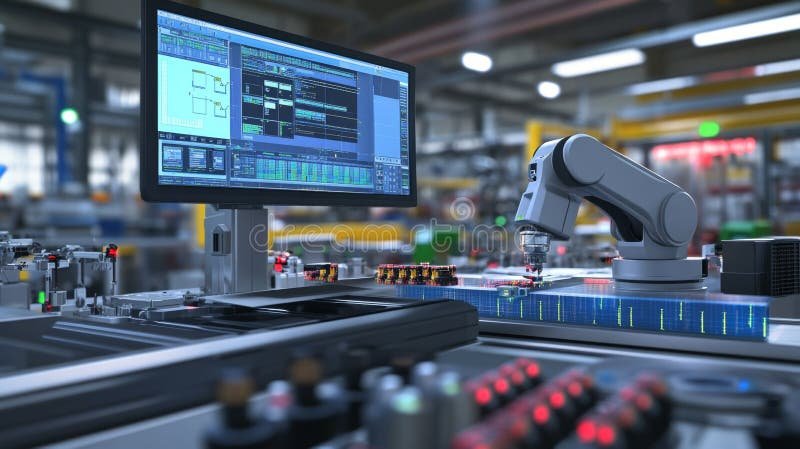
AI technologies have revolutionized **visual inspection** by automating the process and providing more accurate and consistent results. These **AI tools** utilize advanced algorithms to analyze images and detect defects, anomalies, or deviations from the desired standards. By leveraging **computer vision** and **deep learning**, these tools can identify even the smallest defects that may go unnoticed by human inspectors.
Top AI Tools for Visual Inspection
Let’s explore some of the **best AI tools for visual inspection** that are making waves in the industry.
Tool 1: Cognex VisionPro
Cognex VisionPro is a powerful AI-driven **visual inspection** tool that offers a wide range of features. With its intuitive interface and advanced **computer vision** capabilities, VisionPro enables precise defect detection and classification. It is widely used in industries such as automotive, electronics, and pharmaceuticals to ensure quality and compliance.
Tool 2: IBM Visual Insights
IBM Visual Insights is another leading solution for **visual inspection**. This tool leverages **AI** and **machine learning** to provide real-time defect detection and classification. With its robust analytics and reporting features, IBM Visual Insights empowers businesses to optimize their **quality assurance** processes and reduce costly errors.
Tool 3: Google Cloud Visual Inspection AI
Google Cloud Visual Inspection AI offers a scalable and flexible platform for **visual inspection**. By harnessing the power of **AI** and **machine learning**, this tool enables businesses to automate defect detection and improve overall quality control. Its cloud-based architecture ensures easy integration and accessibility across different locations.
Benefits of Using AI Tools for Visual Inspection
Implementing the best AI tools for visual inspection comes with a plethora of benefits for industries. These tools not only enhance the accuracy and consistency of inspections but also offer significant advantages in terms of efficiency and cost savings.
Increased Accuracy and Consistency
AI-powered **visual inspection** tools provide unparalleled accuracy and consistency in defect detection. By eliminating human error, these tools ensure that even the smallest defects are identified and addressed promptly. This leads to improved product quality and reduced instances of recalls or rework.
Enhanced Efficiency and Productivity
Automating the **visual inspection** process with **AI tools** significantly enhances efficiency and productivity. These tools can process large volumes of data in real-time, enabling faster inspections and reducing the time required for manual evaluations. As a result, businesses can achieve higher throughput and meet demanding production schedules.
Cost Savings and Return on Investment
By minimizing defects and reducing the need for rework, AI-powered **visual inspection** tools contribute to substantial cost savings. These tools help businesses optimize their **quality assurance** processes, leading to improved operational efficiency and a higher return on investment. To learn more about the ROI of AI visual inspection systems, visit our detailed guide.
Challenges and Considerations
While the benefits of **AI tools for visual inspection** are undeniable, there are certain challenges and considerations that businesses must address to ensure successful implementation.
Data Quality and Training
For AI-powered **visual inspection** tools to deliver accurate results, high-quality data is essential. Businesses must ensure that their datasets are comprehensive and representative of real-world scenarios. Proper training and validation of AI models are crucial to achieving optimal performance.
Integration and Scalability
Integrating AI tools into existing systems and workflows can be a complex process. Businesses need to carefully plan and execute the integration to ensure seamless operations. Additionally, scalability should be a key consideration to accommodate future growth and evolving business needs.
Future Trends in AI-Powered Visual Inspection
As **AI technologies** continue to advance, the future of **visual inspection** holds exciting possibilities. From **unsupervised learning** to enhanced **computer vision** algorithms, businesses can expect even greater accuracy and efficiency in defect detection. To explore more about unsupervised learning for visual inspection, visit our insightful article.
Integration with IoT and Industry 4.0
The integration of AI-powered **visual inspection** with IoT and Industry 4.0 technologies is set to revolutionize quality assurance practices. By leveraging real-time data from connected devices and sensors, businesses can gain valuable insights and make data-driven decisions to optimize their operations.
Conclusion
The **best AI tools for visual inspection** are transforming the way industries approach **quality assurance**. With their advanced capabilities and benefits, these tools offer a promising solution to enhance accuracy, efficiency, and cost savings. By embracing **AI-powered visual inspection**, businesses can achieve higher standards of quality and stay ahead in today’s competitive market.
FAQ
What are the benefits of using AI for visual inspection?
AI-powered visual inspection offers increased accuracy, consistency, and efficiency in defect detection. It reduces human error, enhances productivity, and leads to cost savings.
How do AI tools improve quality assurance?
AI tools automate the visual inspection process, providing real-time defect detection and classification. This enhances the accuracy and consistency of inspections, leading to improved product quality.
What are the challenges of implementing AI-powered visual inspection?
Challenges include ensuring data quality and training, seamless integration into existing systems, and scalability to accommodate future growth. Proper planning and execution are essential for successful implementation.
This article contains affiliate links. We may earn a commission at no extra cost to you.