

The rapid integration of artificial intelligence in various industries has led to the development of AI inspection systems. These systems are transforming quality control processes, making them more efficient and accurate. However, the rise of AI in inspection also brings forth the crucial need for regulations to ensure safety, reliability, and ethical considerations. Understanding these regulations for AI inspection systems is essential for businesses aiming to adopt these technologies.
Understanding AI Inspection Systems
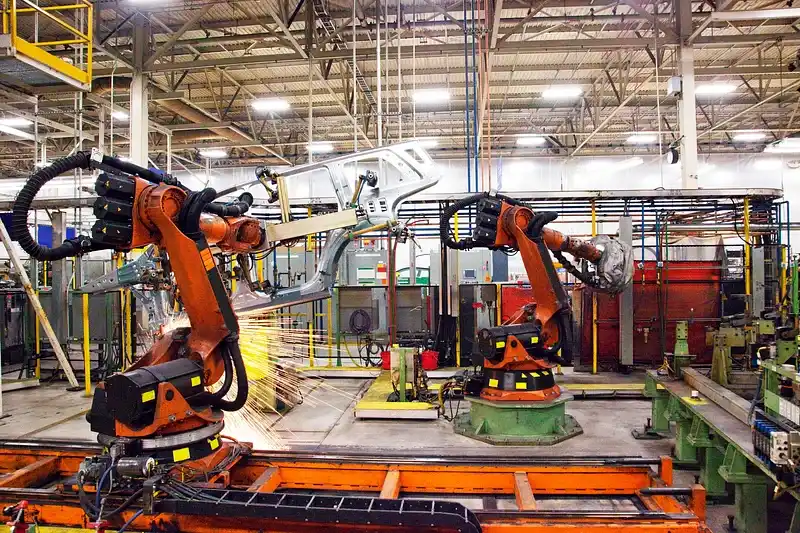
AI inspection systems utilize machine learning algorithms to analyze products, detect defects, and ensure quality. These systems are employed in industries such as manufacturing, automotive, and electronics, where precision and accuracy are paramount. The effectiveness of these systems depends on the data fed into them and the algorithms used to interpret this data.
The Need for Regulations
As AI inspection systems become more prevalent, the need for comprehensive regulations becomes apparent. Regulations ensure that these systems operate within ethical boundaries, maintain data privacy, and deliver accurate results. Without proper oversight, there is a risk of data misuse, biased outcomes, and potential harm to consumers.
Current Regulatory Landscape
The current regulatory landscape for AI inspection systems is evolving. Various countries are developing frameworks to address the challenges posed by AI technologies. For instance, the European Union has introduced the AI Act, which aims to provide a legal framework for AI applications, including inspection systems.
Key Components of AI Regulations
1. Data Privacy and Security
One of the critical components of AI regulations is data privacy and security. AI inspection systems often require access to sensitive data, which must be protected from unauthorized access and breaches. Regulations ensure that companies implement robust data protection measures.
2. Ethical Considerations
Ethical considerations are at the forefront of AI regulations. It is crucial to ensure that AI inspection systems operate without bias and do not discriminate against certain groups. Regulations help establish guidelines for ethical AI use.
3. Accuracy and Reliability
AI inspection systems must be reliable and deliver accurate results. Regulations often include standards and benchmarks that these systems must meet to be deemed effective.
Challenges in Implementing AI Regulations
1. Rapid Technological Advancements
The pace of technological advancements in AI presents a challenge for regulators. Keeping up with the rapid changes in AI inspection technologies requires adaptive and forward-thinking regulatory approaches.
2. Global Standardization
Another challenge is achieving global standardization of AI regulations. Different countries have varying approaches to AI governance, making it difficult to establish a unified regulatory framework.
3. Balancing Innovation and Regulation
Striking a balance between fostering innovation and implementing strict regulations is a challenge. Over-regulation can stifle innovation, while under-regulation can lead to unethical practices and compromised safety.
Benefits of Regulated AI Inspection Systems
1. Increased Consumer Trust
Regulated AI inspection systems enhance consumer trust by ensuring that products meet high-quality standards and are safe for use.
2. Improved Product Quality
With regulations in place, companies are encouraged to develop more reliable and accurate AI inspection systems, leading to improved product quality.
3. Ethical AI Practices
Regulations promote ethical AI practices, ensuring that AI inspection systems do not perpetuate biases or discrimination.
Future of AI Regulations
1. Adaptive Regulations
The future of AI regulations lies in adaptability. As AI technologies evolve, regulations must be flexible enough to accommodate new advancements and challenges.
2. Collaborative Efforts
Collaboration between governments, industry leaders, and regulatory bodies is essential to develop effective AI regulations that cater to the needs of all stakeholders.
3. Education and Awareness
Increasing education and awareness about AI regulations is crucial. Stakeholders must be informed about the importance of regulations and how they impact the industry.
Conclusion
In conclusion, the integration of AI inspection systems in various industries necessitates the development of comprehensive regulations. These regulations ensure the ethical, reliable, and secure application of AI technologies. By addressing the challenges and leveraging the benefits of regulated AI, industries can pave the way for a safer and more trustworthy future.
For more insights on the role of AI in quality control, you can visit AI inspection insights and explore the AI market trends in inspection systems.
Frequently Asked Questions
What are AI inspection systems?
AI inspection systems use machine learning algorithms to analyze products and detect defects, ensuring quality in industries like manufacturing and electronics.
Why are regulations important for AI inspection systems?
Regulations ensure that AI inspection systems operate ethically, protect data privacy, and deliver accurate and reliable results.
What challenges do regulators face in implementing AI regulations?
Regulators face challenges such as rapid technological advancements, achieving global standardization, and balancing innovation with regulation.
This article contains affiliate links. We may earn a commission at no extra cost to you.