
Boosting production efficiency is a top priority for manufacturers aiming to stay competitive in today’s fast-paced market. Streamlining processes, reducing waste, and maximizing output are essential for meeting customer demands and maintaining profitability. However, achieving these goals requires more than just working faster—it involves a strategic approach to optimizing every aspect of the manufacturing workflow.
In this article, we’ll explore actionable strategies and proven methods for enhancing operational performance on the factory floor. From leveraging automation and technology to empowering your workforce, these insights are designed to help manufacturers of all sizes achieve measurable improvements in their operations.
For those interested in how advanced technologies are transforming quality assurance, our guide on Industry 4.0 defect detection offers a deeper look at smart automation in manufacturing environments.
Understanding the Drivers of Efficient Manufacturing
Before implementing changes, it’s important to identify the key factors that influence manufacturing efficiency. These include process design, equipment reliability, workforce skills, material management, and the integration of digital tools. By analyzing these elements, manufacturers can pinpoint bottlenecks and areas for improvement.
- Process Design: Well-structured workflows minimize unnecessary steps and reduce cycle times.
- Equipment Reliability: Regular maintenance and timely upgrades prevent unplanned downtime.
- Workforce Skills: Ongoing training ensures employees can adapt to new technologies and methods.
- Material Management: Efficient inventory control reduces waste and keeps production running smoothly.
- Digital Integration: Automation and data analytics provide real-time insights for better decision-making.
Key Strategies for Boosting Production Output
Improving output without sacrificing quality requires a combination of process optimization, technology adoption, and workforce engagement. Here are several effective approaches:
Streamlining Workflows and Reducing Waste
Lean manufacturing principles focus on eliminating non-value-added activities. By mapping out each step of the production process, manufacturers can identify redundancies and inefficiencies. Techniques such as 5S (Sort, Set in order, Shine, Standardize, Sustain) and value stream mapping help create a more organized and productive environment.

Additionally, adopting a continuous improvement mindset—such as Kaizen—encourages employees at all levels to suggest and implement small, incremental changes that collectively lead to significant efficiency gains.
Leveraging Automation and Smart Technologies
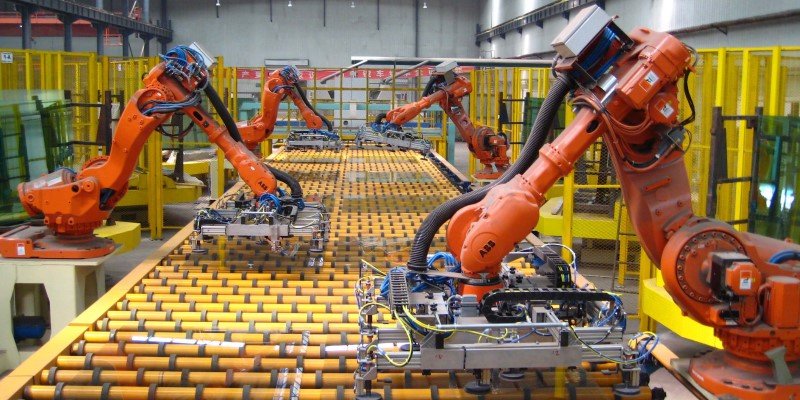
Automation is a powerful driver of production efficiency. Robotics, programmable logic controllers (PLCs), and machine vision systems can handle repetitive or hazardous tasks with greater speed and accuracy. Integrating these technologies reduces human error and allows skilled workers to focus on higher-value activities.
The use of real-time data analytics and Industrial Internet of Things (IIoT) devices enables manufacturers to monitor equipment performance, predict maintenance needs, and optimize resource allocation. For more on the impact of artificial intelligence in this sector, see our article on AI adoption in manufacturing.
Enhancing Workforce Engagement and Training
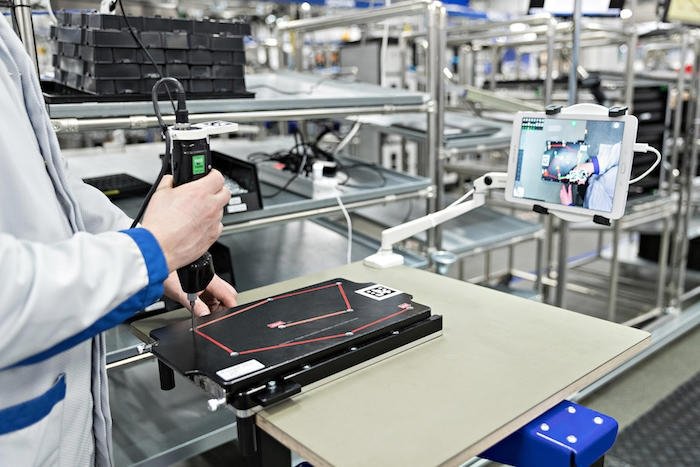
Employees are central to any efficiency improvement initiative. Providing regular training on new equipment, safety protocols, and best practices ensures that staff can operate at peak performance. Empowering teams to participate in problem-solving and process improvement not only boosts morale but also uncovers practical solutions from those closest to the work.
Clear communication of goals and performance metrics helps align individual efforts with organizational objectives. Recognition programs and incentives can further motivate employees to contribute to efficiency gains.
Measuring and Sustaining Operational Improvements
To ensure that efficiency gains are lasting, it’s essential to establish key performance indicators (KPIs) and track progress over time. Common metrics include:
- Overall Equipment Effectiveness (OEE): Measures how well manufacturing equipment is utilized compared to its full potential.
- Cycle Time: The total time required to produce a single unit, from start to finish.
- First Pass Yield (FPY): The percentage of products manufactured correctly without rework.
- Downtime: The amount of time production is halted due to equipment failure or other issues.
Regularly reviewing these KPIs allows manufacturers to identify trends, address emerging issues, and refine their strategies. Digital dashboards and automated reporting tools make it easier to visualize data and share insights across teams.
Continuous Improvement and Adaptability
The manufacturing landscape is constantly evolving, with new technologies and market demands emerging regularly. Adopting a culture of continuous improvement ensures that organizations remain agile and responsive. Encouraging feedback, investing in employee development, and staying informed about industry trends are all vital for sustaining high levels of efficiency.
For further reading on real-world applications and success stories, our resource on real-world defect detection success stories highlights how innovative solutions are delivering measurable results in manufacturing.
Common Challenges and How to Overcome Them
While the benefits of improved efficiency are clear, manufacturers often encounter obstacles such as resistance to change, legacy equipment, and data silos. Addressing these challenges requires a combination of leadership commitment, strategic investment, and effective change management.
- Resistance to Change: Involve employees early in the process and communicate the benefits of new initiatives.
- Outdated Equipment: Prioritize upgrades that deliver the highest return on investment and consider phased implementation.
- Data Silos: Integrate systems to enable seamless data sharing and informed decision-making.
For a deeper dive into overcoming technical barriers, our article on common neural network challenges discusses the hurdles faced when implementing advanced digital solutions in manufacturing.
Additional Resources for Production Optimization
Staying up to date with the latest best practices and technological advancements is crucial for ongoing success. Industry publications, professional networks, and specialized blogs offer valuable insights. For a comprehensive overview of efficiency strategies, the MaintainX guide to production efficiency provides practical tips and case studies relevant to manufacturers of all sizes.
Frequently Asked Questions
What are the most effective ways to increase manufacturing efficiency?
The most impactful methods include adopting lean manufacturing principles, investing in automation, providing regular employee training, and continuously monitoring key performance indicators. Streamlining workflows and reducing waste are also essential for maximizing output.
How can technology help optimize production processes?
Technologies such as robotics, IIoT devices, and data analytics enable real-time monitoring, predictive maintenance, and process automation. These tools help manufacturers identify inefficiencies, reduce downtime, and make data-driven decisions for ongoing improvement.
Why is employee engagement important for operational efficiency?
Engaged employees are more likely to contribute ideas, embrace new technologies, and take ownership of their work. Empowering staff through training and involvement in improvement initiatives leads to higher productivity and better overall performance.