
In today’s competitive manufacturing environment, minimizing waste and maximizing efficiency are essential for sustainable growth. Companies face increasing pressure to deliver high-quality products quickly while keeping costs under control. Understanding how to reduce production waste is not just about saving money—it’s about building resilient operations, meeting environmental standards, and staying ahead in the market.
This article explores proven strategies to cut down on unnecessary material use, streamline workflows, and leverage modern technology for better outcomes. By focusing on practical steps and real-world examples, manufacturers can identify waste sources, implement targeted improvements, and measure their impact over time.

For manufacturers interested in leveraging advanced technologies, Industry 4.0 defect detection offers powerful tools for identifying and eliminating inefficiencies early in the process.
Identifying Sources of Waste in Manufacturing
The first step in any waste reduction initiative is to pinpoint where excess material, time, or energy is being lost. Waste in production can take many forms, including scrap materials, rework, overproduction, waiting times, and inefficient movement of goods or personnel.
- Material waste: Off-cuts, defective products, and unused raw materials.
- Time waste: Idle machinery, waiting for parts, or unnecessary steps in workflows.
- Energy waste: Machines running when not needed, inefficient lighting, or poor insulation.
- Process waste: Redundant approvals, excessive handling, or outdated procedures.
Conducting a thorough audit of your production line helps uncover hidden inefficiencies. Involving employees in this process often reveals practical insights, as they are closest to daily operations.
Lean Manufacturing Principles for Less Waste
Lean manufacturing is a widely adopted approach for minimizing waste and enhancing productivity. Its core philosophy is to deliver value to the customer with as little waste as possible. The key principles include:
- Value stream mapping: Visualizing every step in the production process to identify non-value-adding activities.
- Continuous improvement (Kaizen): Encouraging regular, incremental changes to processes.
- Just-in-time production: Producing only what is needed, when it is needed, to avoid overproduction.
- Standardized work: Creating clear, repeatable procedures to reduce variation and errors.
- 5S methodology: Organizing the workplace for efficiency—Sort, Set in order, Shine, Standardize, Sustain.
Applying these principles can lead to significant reductions in both material and process waste, while also boosting employee morale and product quality.
Leveraging Technology to Cut Down on Waste
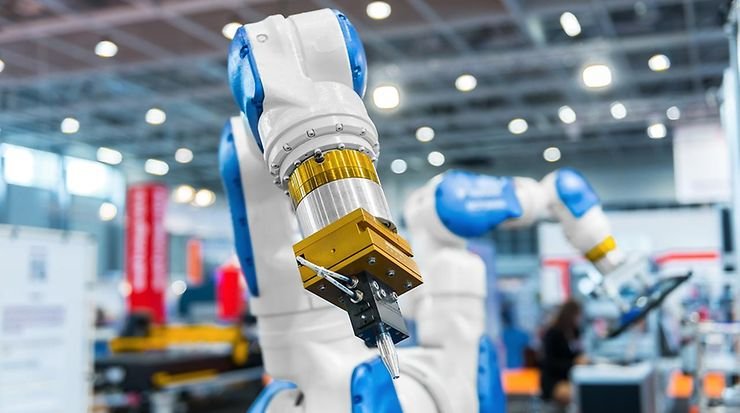
Modern manufacturing increasingly relies on digital tools and automation to optimize operations. Technologies such as sensors, data analytics, and artificial intelligence help manufacturers monitor production in real time, detect anomalies, and prevent defects before they occur.
For example, integrating smart automation can reduce human error and improve consistency. Machine learning algorithms can analyze production data to identify patterns that lead to waste, enabling proactive interventions. Companies adopting these solutions often see measurable improvements in both efficiency and sustainability.
To learn more about the impact of artificial intelligence in manufacturing, consider exploring AI adoption in manufacturing for quality control and process optimization.
Optimizing Processes for Greater Efficiency
Streamlining workflows is a critical component of waste reduction. This involves reviewing every step in the production process to eliminate bottlenecks, unnecessary movements, or redundant tasks. Key tactics include:
- Process mapping to visualize and redesign workflows for better flow.
- Cross-training employees to increase flexibility and reduce downtime.
- Implementing predictive maintenance to minimize unexpected equipment failures.
- Reducing setup times to allow for quicker changeovers and less idle equipment.
- Standardizing tools and materials to reduce confusion and errors.
These improvements not only reduce waste but also help companies respond more quickly to changes in demand or production schedules.
Employee Engagement and Training
Employees play a vital role in any waste reduction program. Regular training sessions ensure that staff understand best practices, new technologies, and the importance of efficiency. Encouraging a culture of continuous improvement empowers workers to suggest changes and take ownership of results.
Recognizing and rewarding contributions to waste reduction can further motivate teams. Open communication channels between management and shop floor staff help surface issues early, leading to faster problem-solving.
Measuring Results and Sustaining Improvements
Tracking progress is essential to ensure that waste reduction efforts deliver lasting benefits. Key performance indicators (KPIs) such as scrap rates, rework percentages, energy consumption, and overall equipment effectiveness (OEE) provide objective data for decision-making.
Regularly reviewing these metrics allows companies to spot trends, set new targets, and adjust strategies as needed. Sharing results with the entire team keeps everyone aligned and invested in ongoing improvement.
For a deeper dive into boosting operational performance, this comprehensive guide to increasing production efficiency offers additional insights and actionable tips.
Common Challenges and How to Overcome Them
While the benefits of reducing waste are clear, manufacturers often encounter obstacles such as resistance to change, limited budgets, or lack of expertise. Overcoming these challenges requires strong leadership, clear communication, and a willingness to invest in new skills and technologies.
Learning from real-world defect detection success stories can provide valuable inspiration and practical solutions for overcoming hurdles in your own operations.
FAQ
What are the main types of production waste?
The primary categories include material waste (scrap, defective products), time waste (idle equipment, waiting periods), energy waste (inefficient machines), and process waste (redundant steps, unnecessary movement). Identifying these areas is the first step toward improvement.
How can technology help minimize waste in manufacturing?
Automation, sensors, and data analytics enable real-time monitoring and early detection of inefficiencies. Artificial intelligence can predict defects and suggest process optimizations, leading to less waste and higher productivity.
Why is employee involvement important in waste reduction?
Employees are often the first to notice inefficiencies and can provide practical ideas for improvement. Engaging staff in training and continuous improvement initiatives ensures that changes are implemented effectively and sustained over time.