
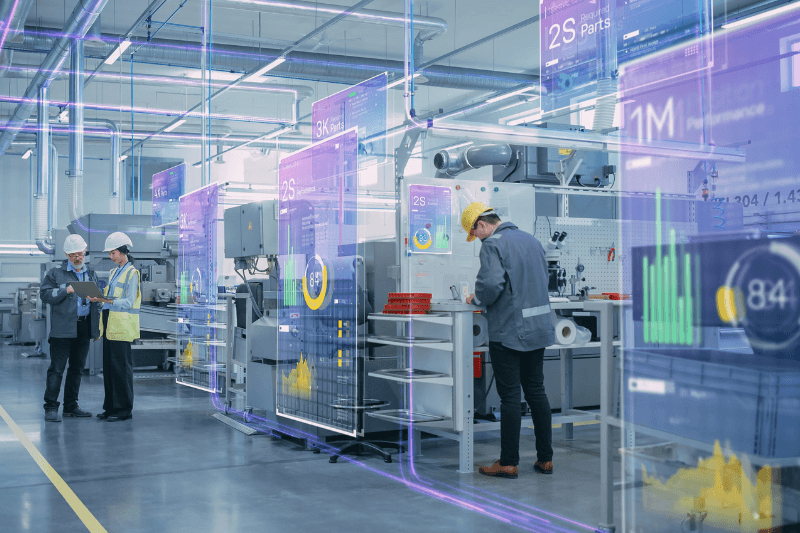
Maximizing the performance of manufacturing assets is a top priority for any production facility. How to improve equipment effectiveness is a question that drives continuous improvement initiatives, cost savings, and higher output quality. By focusing on the right strategies, organizations can reduce downtime, minimize waste, and ensure that every machine operates at its full potential.
In this guide, we’ll explore practical methods and proven techniques to boost the efficiency of your machinery. From leveraging data-driven maintenance to empowering operators and adopting digital tools, these approaches can help you achieve measurable gains in productivity. For those also interested in minimizing waste, consider reading about how to reduce production waste for complementary strategies.
Understanding Equipment Effectiveness Metrics
Before implementing improvements, it’s essential to understand how equipment performance is measured. The most widely used metric is Overall Equipment Effectiveness (OEE), which evaluates how well a manufacturing operation is utilized compared to its full potential. OEE is calculated using three key factors:
- Availability: The percentage of scheduled time that the equipment is actually running.
- Performance: The speed at which the equipment operates as a percentage of its designed speed.
- Quality: The proportion of good parts produced versus the total output.
By analyzing these components, manufacturers can pinpoint where losses are occurring—whether due to breakdowns, slow cycles, or defects—and prioritize areas for improvement.
Key Strategies to Boost Machine Performance
Improving the effectiveness of production assets requires a combination of process optimization, proactive maintenance, and workforce engagement. Here are some actionable steps to consider:
Implement Preventive and Predictive Maintenance
Unplanned downtime is a major barrier to high equipment effectiveness. By shifting from reactive repairs to preventive and predictive maintenance, organizations can address issues before they lead to failures. This involves:
- Scheduling regular inspections and servicing based on manufacturer recommendations and historical data.
- Using sensors and monitoring systems to detect early signs of wear, vibration, or overheating.
- Analyzing maintenance records to identify recurring problems and root causes.
Predictive maintenance, powered by Industry 4.0 technologies, allows teams to forecast when a component is likely to fail and plan interventions accordingly.
Standardize Operating Procedures
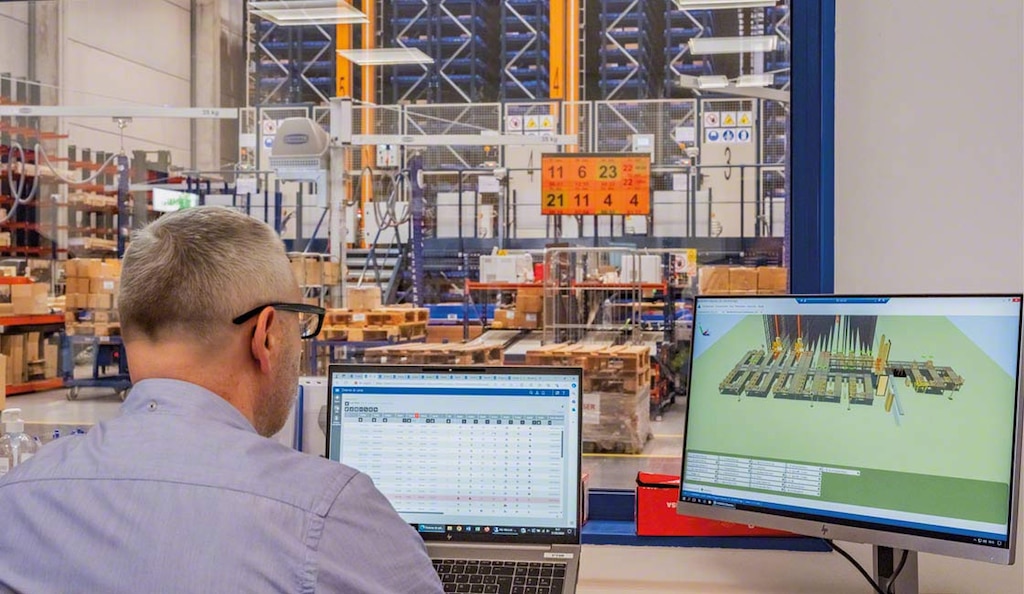
Variability in how machines are operated can lead to inconsistent results and increased wear. Developing and enforcing standard operating procedures (SOPs) ensures that every operator follows best practices for setup, operation, and shutdown. Key elements include:
- Clear documentation of each step in the process.
- Visual aids and checklists to guide operators.
- Regular training and refresher sessions for staff.
Consistency in operations not only improves performance but also reduces the likelihood of errors and accidents.
Empower Operators with Training and Ownership
Operators are the first line of defense against equipment issues. By investing in comprehensive training and encouraging a sense of ownership, you can enable your team to spot abnormalities early and take corrective action. Consider:
- Providing hands-on instruction on troubleshooting and basic maintenance tasks.
- Encouraging operators to participate in continuous improvement initiatives.
- Implementing suggestion systems to capture frontline insights.
Engaged and knowledgeable staff are more likely to maintain equipment properly and contribute to higher effectiveness.
Leveraging Technology for Enhanced Effectiveness
Digital transformation is reshaping manufacturing, offering new tools to monitor, analyze, and optimize asset performance. Here’s how technology can help:
Utilize Real-Time Data and Analytics
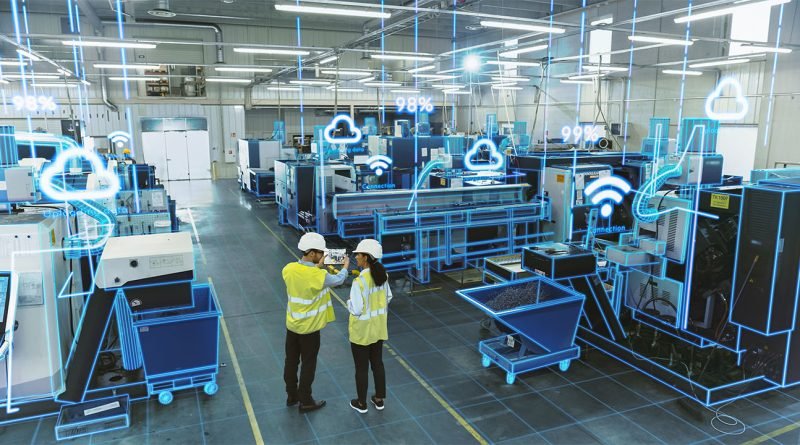
Modern production environments are equipped with sensors and connected devices that generate vast amounts of data. By integrating these systems with analytics platforms, manufacturers can:
- Track machine status and performance in real time.
- Identify bottlenecks and inefficiencies quickly.
- Generate actionable reports to guide decision-making.
Access to accurate, timely data enables faster responses to issues and supports a culture of continuous improvement.
Adopt Manufacturing Execution Systems (MES)
A Manufacturing Execution System bridges the gap between the shop floor and enterprise management. MES solutions help coordinate production activities, enforce process standards, and provide visibility into equipment utilization. Benefits include:
- Automated tracking of production orders and machine cycles.
- Instant alerts for deviations or downtime events.
- Integration with maintenance and quality management systems.
Implementing MES can significantly improve coordination and responsiveness across the production line.
Continuous Improvement and Benchmarking
Achieving and sustaining high equipment effectiveness is an ongoing process. Regularly reviewing performance metrics, benchmarking against industry standards, and involving all levels of the organization are crucial steps. Some best practices include:
- Conducting periodic OEE assessments to track progress.
- Setting realistic, incremental improvement goals.
- Celebrating successes and sharing lessons learned across teams.
For additional insights on optimizing plant operations, you may find value in exploring how to improve production efficiency and production efficiency best practices.
Common Challenges and How to Overcome Them
While the benefits of improving equipment effectiveness are clear, several obstacles can hinder progress:
- Resistance to Change: Employees may be hesitant to adopt new procedures or technologies. Address this by involving them early in the process and providing clear communication about the benefits.
- Data Silos: Disconnected systems make it difficult to get a complete picture of equipment performance. Invest in integrated platforms that unify data streams.
- Resource Constraints: Limited budgets or staffing can slow down improvement efforts. Prioritize high-impact areas and seek incremental wins.
Overcoming these challenges requires leadership commitment, cross-functional collaboration, and a willingness to adapt.
Further Reading and Resources
For a deeper dive into production efficiency and related topics, consider reviewing this comprehensive guide to production efficiency strategies. These resources offer additional perspectives and case studies that can support your journey toward higher equipment utilization.
Frequently Asked Questions
What is the most effective way to measure equipment performance?
The most common and effective metric is Overall Equipment Effectiveness (OEE), which combines availability, performance, and quality into a single percentage. This metric helps identify where losses are occurring and guides improvement efforts.
How can digital tools help increase equipment effectiveness?
Digital tools such as real-time monitoring systems, analytics platforms, and Manufacturing Execution Systems (MES) provide actionable insights, automate data collection, and enable faster responses to issues. These technologies support proactive maintenance and process optimization.
What role do operators play in improving machine effectiveness?
Operators are critical to maintaining high equipment effectiveness. With proper training and empowerment, they can quickly identify and address issues, follow standardized procedures, and contribute valuable feedback for ongoing improvements.