
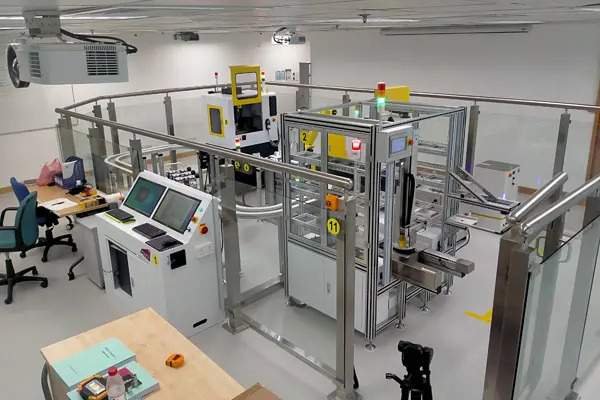
Efficient production flow is the backbone of a successful manufacturing operation. When processes run smoothly, companies benefit from reduced lead times, lower costs, and higher product quality. However, many manufacturers struggle with bottlenecks, wasted resources, and inconsistent output. Understanding how to improve production flow is essential for any business aiming to stay competitive in today’s fast-paced market.
This article explores proven strategies for optimizing workflow, minimizing delays, and increasing throughput on the shop floor. Whether you’re managing a small facility or a large-scale operation, these practical steps can help you identify inefficiencies and implement lasting improvements. For those interested in related strategies, you may also find value in learning about how to reduce production waste to further enhance your manufacturing efficiency.
Understanding the Basics of Production Flow Optimization
Before diving into specific tactics, it’s important to grasp what production flow means in a manufacturing context. At its core, production flow refers to the movement of materials, components, and information through each stage of the manufacturing process. A streamlined flow ensures that work progresses efficiently from raw materials to finished goods, with minimal interruptions or idle time.
Key elements that influence production flow include process layout, equipment reliability, workforce skills, and the integration of technology. By analyzing these factors, manufacturers can pinpoint areas that need improvement and develop targeted solutions.
Identifying and Eliminating Bottlenecks
One of the most effective ways to enhance manufacturing workflow is to identify bottlenecks—points in the process where work piles up and slows overall progress. These can be caused by outdated machinery, inefficient workstations, or inconsistent supply of materials.
- Map your current process: Create a visual representation of your workflow to spot where delays occur.
- Measure cycle times: Track how long each step takes to identify slow points.
- Prioritize improvements: Focus on the areas with the greatest impact on throughput.

Implementing Lean Manufacturing Principles
Lean manufacturing is a proven methodology for boosting efficiency and reducing waste. By applying lean tools, manufacturers can streamline processes and create a more predictable, reliable flow. Some key lean practices include:
- 5S system: Organize the workplace for efficiency (Sort, Set in order, Shine, Standardize, Sustain).
- Kaizen: Foster a culture of continuous improvement through small, incremental changes.
- Just-in-Time (JIT): Produce only what is needed, when it’s needed, to minimize inventory and reduce waiting times.
Applying these principles can help eliminate unnecessary steps, reduce motion, and ensure that resources are used where they add the most value.
Leveraging Technology to Enhance Production Flow
Modern manufacturing relies heavily on technology to maintain a smooth workflow. Automation, real-time data collection, and advanced analytics can all play a role in optimizing production processes.
- Automated machinery: Increases speed and consistency, reducing manual errors.
- Manufacturing Execution Systems (MES): Provide real-time visibility into production status, helping managers make informed decisions.
- Predictive maintenance: Uses sensors and analytics to anticipate equipment failures before they cause downtime.
For a deeper dive into how technology can boost efficiency, consider reading about how to improve production efficiency in manufacturing.
.png?width=950&name=Blogbeitrag%20Bilder%20(1).png)
Workforce Training and Engagement for Better Flow
Even the best-designed systems can falter without a well-trained, motivated workforce. Employees who understand the importance of efficient workflow are more likely to spot issues and contribute ideas for improvement.
- Ongoing training: Regularly update staff on best practices and new technologies.
- Cross-training: Equip workers with multiple skills to increase flexibility and reduce downtime during absences.
- Employee involvement: Encourage suggestions and feedback from those on the shop floor.
A culture of engagement not only improves morale but also leads to more sustainable improvements in workflow.
Continuous Monitoring and Improvement of Manufacturing Flow
Achieving optimal production flow is not a one-time project but an ongoing effort. Regular monitoring allows manufacturers to adapt to changes in demand, technology, or workforce dynamics.
- Key Performance Indicators (KPIs): Track metrics such as throughput, cycle time, and downtime to measure progress.
- Root cause analysis: Investigate recurring issues to address underlying problems, not just symptoms.
- Benchmarking: Compare performance against industry standards or competitors to identify areas for growth.
For more insights on best practices, you can explore production efficiency best practices tailored for manufacturers.
Integrating Upstream and Downstream Processes
Improving flow isn’t limited to the shop floor. Coordination with suppliers and customers ensures that materials arrive on time and products are delivered without delay. Strategies include:
- Supplier collaboration: Share forecasts and production schedules to align deliveries with actual needs.
- Demand planning: Use sales data and market trends to adjust production rates proactively.
- Logistics optimization: Streamline shipping and receiving to avoid bottlenecks at entry and exit points.
These steps help create a seamless flow from raw materials to finished goods, reducing lead times and improving customer satisfaction.
Case Study: Real-World Improvements in Production Flow
Many manufacturers have successfully transformed their operations by focusing on workflow optimization. For example, companies implementing lean techniques and automation have reported significant reductions in cycle times and inventory costs. Others have benefited from cross-functional teams that identify and resolve process inefficiencies.
For practical examples, you can read about real-world defect detection success stories that highlight the impact of targeted improvements on production outcomes.
Expert Resources for Enhancing Manufacturing Workflow
Staying informed about the latest trends and solutions is crucial for ongoing success. Industry publications, professional organizations, and online resources offer valuable guidance. For instance, this comprehensive guide to improving production line efficiency provides actionable tips and real-world examples for manufacturers looking to optimize their operations.
Frequently Asked Questions
What are the most common causes of poor production flow?
The most frequent issues include equipment breakdowns, inefficient process layouts, unbalanced workloads, and inconsistent supply of materials. Addressing these challenges requires a combination of process analysis, technology upgrades, and workforce training.
How can automation help streamline manufacturing processes?
Automation reduces manual intervention, increases consistency, and speeds up repetitive tasks. It also enables real-time monitoring, which helps managers quickly identify and resolve bottlenecks, ultimately leading to a smoother workflow.
How often should production flow be reviewed for improvements?
Regular reviews are essential. Many manufacturers conduct monthly or quarterly assessments, but continuous monitoring through KPIs and feedback from employees ensures that issues are identified and addressed promptly.
Are there simple steps small manufacturers can take to improve flow?
Yes. Even small changes, such as reorganizing workstations, implementing 5S, and cross-training employees, can yield significant improvements. Start by mapping your current process and identifying the most obvious sources of delay.
Conclusion
Enhancing manufacturing workflow is a multifaceted effort that involves process analysis, technology, workforce engagement, and continuous improvement. By focusing on the strategies outlined above, manufacturers can achieve smoother operations, higher output, and greater customer satisfaction. For those seeking additional ways to boost productivity, exploring ways to increase manufacturing efficiency can provide further actionable insights.