
Maximizing workforce productivity is a top priority for factory managers and manufacturing leaders. In today’s competitive landscape, efficient use of labor and resources directly impacts profitability, product quality, and customer satisfaction. Whether you operate a small production facility or a large-scale plant, understanding the most effective ways to boost employee output can lead to significant operational gains.
This article explores actionable strategies for increasing productivity on the factory floor, from optimizing workflows and leveraging technology to fostering a culture of continuous improvement. If you’re also interested in minimizing waste while enhancing efficiency, you may want to review how to reduce production waste for complementary insights.

Understanding the Foundations of Factory Productivity
Before implementing new initiatives, it’s essential to understand what drives workforce productivity in a manufacturing environment. Productivity is typically measured as output per labor hour, but it’s influenced by several factors:
- Employee skills and training
- Workplace organization and layout
- Equipment reliability and technology adoption
- Process standardization and automation
- Motivation, morale, and communication
By analyzing these elements, managers can identify bottlenecks and areas for improvement that will have the greatest impact on overall performance.
Optimizing Workflows and Factory Layout
One of the most effective ways to increase output is by streamlining workflows and eliminating unnecessary steps. Start by mapping out current processes and observing how materials, tools, and workers move through the production area. Look for sources of delay, excessive movement, or duplicated tasks.
- Implement Lean Manufacturing Principles: Techniques like 5S, value stream mapping, and just-in-time inventory help reduce waste and improve flow.
- Reorganize Workstations: Arrange equipment and materials to minimize walking distances and handoffs.
- Standardize Procedures: Document best practices and ensure all employees follow the same steps for each task.
These changes can lead to smoother operations, fewer errors, and a more productive workforce.
Leveraging Technology to Boost Output
Modern factories are increasingly turning to automation, data analytics, and digital tools to support their teams. Introducing the right technology can help workers focus on higher-value tasks and reduce manual errors.
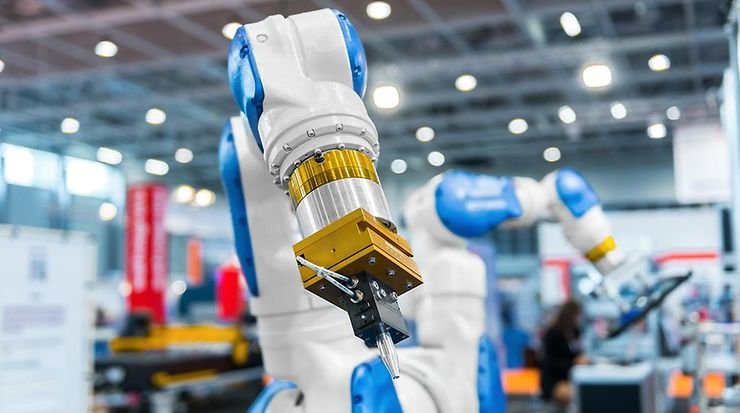
- Automated Machinery: Robotics and automated conveyors can handle repetitive or hazardous tasks, freeing up employees for more complex work.
- Production Monitoring Systems: Real-time dashboards provide insights into equipment performance, downtime, and output, enabling quick adjustments.
- Digital Work Instructions: Tablets or screens at workstations ensure employees have up-to-date procedures and reduce training time.

For a deeper dive into how digital transformation can drive efficiency, see this overview of how to improve production efficiency in manufacturing.
Investing in Employee Training and Engagement
Even the most advanced equipment won’t deliver results without a skilled and motivated team. Ongoing training ensures workers are proficient with new technologies and processes, while engagement initiatives foster a sense of ownership and accountability.
- Cross-Training: Equip employees to handle multiple roles, increasing flexibility and reducing downtime when someone is absent.
- Clear Communication: Regular meetings and feedback sessions help align goals and address concerns quickly.
- Recognition Programs: Acknowledge high performers and teams that meet or exceed productivity targets.
A positive workplace culture encourages continuous improvement and reduces turnover, both of which are crucial for long-term productivity gains.
Monitoring, Measuring, and Sustaining Productivity Improvements
To ensure that productivity initiatives deliver lasting results, it’s important to track progress using clear metrics. Key performance indicators (KPIs) might include output per hour, defect rates, machine downtime, or on-time delivery rates.
- Regular Audits: Conduct periodic reviews of processes and outcomes to spot new bottlenecks or inefficiencies.
- Continuous Feedback: Encourage workers to suggest improvements and report obstacles as they arise.
- Benchmarking: Compare performance against industry standards or similar facilities to set realistic targets.
For more best practices on driving efficiency and output, you can explore ways to increase manufacturing efficiency and production efficiency best practices for manufacturers.
Reducing Waste to Enhance Workforce Productivity
Waste in manufacturing isn’t limited to materials—it also includes wasted time, motion, and effort. By identifying and eliminating these inefficiencies, factories can make better use of their human resources.
- Use visual management tools to highlight issues and track progress.
- Apply root cause analysis to recurring problems, addressing them at the source.
- Promote a culture where employees are empowered to stop production to fix quality issues, preventing rework and lost time.
For a comprehensive understanding of production efficiency and how to increase it, you may find this detailed guide on production efficiency and improvement strategies valuable.
FAQ: Factory Workforce Productivity
What are the most effective ways to motivate factory employees?
Motivation can be enhanced through recognition programs, opportunities for advancement, fair compensation, and a positive work environment. Regular feedback, clear communication of goals, and involving employees in decision-making also contribute to higher engagement and output.
How does automation impact workforce productivity?
Automation can significantly increase output by handling repetitive, dangerous, or time-consuming tasks. This allows employees to focus on more complex and value-added activities. However, successful integration requires proper training and change management to ensure workers adapt to new roles.
What metrics should factories use to track productivity improvements?
Common metrics include output per labor hour, machine utilization rates, defect rates, on-time delivery, and employee absenteeism. Tracking these KPIs over time helps managers identify trends, measure the impact of changes, and set realistic improvement targets.
How can factories reduce errors and defects while increasing productivity?
Standardizing processes, providing thorough training, and using digital work instructions can help minimize mistakes. Implementing quality checks at each stage and encouraging employees to report issues early also reduce defects and rework, supporting higher overall productivity.