
As digital transformation accelerates across the industrial sector, manufacturers are under increasing pressure to boost productivity, reduce waste, and remain competitive. Embracing smart manufacturing efficiency tips can help organizations optimize their operations, harness real-time data, and make better decisions on the factory floor. This article explores actionable strategies, technology trends, and best practices to help businesses achieve higher efficiency and resilience in their manufacturing processes.
For those interested in related topics, our guide on how to improve production yield offers further insights into maximizing output while maintaining quality.

Key Principles for Optimizing Manufacturing Operations
Achieving operational excellence in modern manufacturing requires a blend of technology, process improvement, and workforce engagement. Companies that focus on continuous improvement and data-driven decision-making are better positioned to adapt to market changes and customer demands.
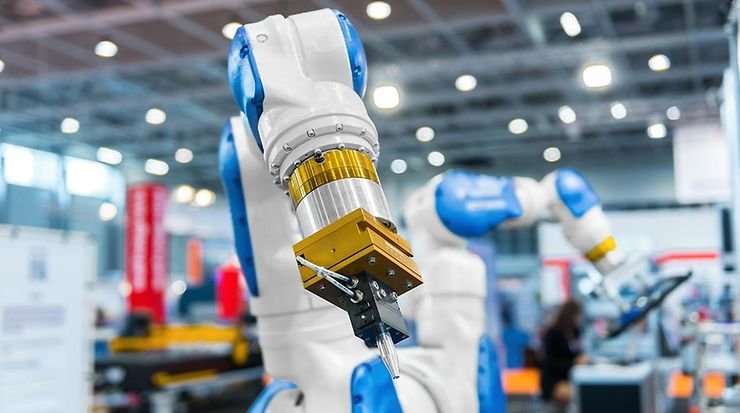
- Automation and Robotics: Deploying automated systems and robotics can reduce manual errors, increase throughput, and free up skilled workers for higher-value tasks.
- Data Integration: Connecting machines, sensors, and enterprise systems enables real-time monitoring and analytics, which are essential for identifying bottlenecks and inefficiencies.
- Lean Manufacturing: Adopting lean principles helps eliminate waste, streamline workflows, and improve overall process efficiency.
- Employee Training: Investing in workforce development ensures that staff can effectively use new technologies and adapt to evolving production methods.
Leveraging Technology for Greater Efficiency
The adoption of advanced technologies is at the heart of smart manufacturing efficiency tips. By integrating digital tools and intelligent systems, manufacturers can gain deeper insights into their operations and respond proactively to challenges.
Industrial IoT and Real-Time Data
The Industrial Internet of Things (IIoT) connects equipment, sensors, and software platforms, enabling seamless data collection and analysis. With IIoT, manufacturers can:
- Monitor equipment health and predict failures before they occur
- Track production metrics in real time
- Optimize energy consumption and resource allocation
Predictive Maintenance and Downtime Reduction
Unplanned downtime is a major source of lost productivity. Implementing predictive maintenance strategies, such as those discussed in our article on predictive maintenance for manufacturing efficiency, allows organizations to anticipate equipment issues and schedule repairs proactively. This minimizes disruptions and extends asset lifespans.
Process Mapping and Continuous Improvement
Visualizing workflows through process mapping helps identify inefficiencies and areas for improvement. By regularly reviewing and refining these maps, teams can implement incremental changes that lead to significant efficiency gains over time. For a deeper dive, see our resource on process mapping for production efficiency.
Best Practices for Implementing Efficiency Strategies
While technology is a critical enabler, successful transformation depends on a holistic approach that includes people, processes, and culture. Here are some proven practices for enhancing efficiency in manufacturing environments:
- Set Clear Metrics: Define key performance indicators (KPIs) such as cycle time, yield, and equipment utilization to track progress and guide decision-making.
- Foster Collaboration: Encourage cross-functional teams to share knowledge and collaborate on improvement initiatives.
- Standardize Procedures: Develop and document standard operating procedures (SOPs) to ensure consistency and reduce variability.
- Embrace Root Cause Analysis: When issues arise, use systematic approaches like root cause analysis in manufacturing to identify and address underlying problems rather than just symptoms.
- Continuous Training: Provide ongoing education and upskilling opportunities to keep the workforce engaged and capable of adapting to new tools and processes.
Reducing Waste and Maximizing Output
Minimizing waste is central to any efficiency improvement effort. Lean manufacturing techniques, such as 5S, value stream mapping, and just-in-time production, help organizations streamline operations and reduce excess inventory, motion, and defects.
For more information on increasing production efficiency and practical steps to boost output, review this comprehensive guide to production efficiency and improvement methods.
Addressing Common Challenges in Smart Manufacturing
Despite the benefits, manufacturers often face obstacles when implementing new efficiency initiatives. These challenges may include:
- Integration Complexity: Connecting legacy systems with modern digital platforms can be technically demanding.
- Change Management: Employees may resist new processes or technologies without clear communication and support.
- Data Security: As operations become more connected, protecting sensitive information and ensuring cybersecurity is essential.
- Cost Justification: Demonstrating the return on investment for new technologies can be difficult without clear metrics and pilot projects.
Overcoming these hurdles requires a phased approach, strong leadership, and a commitment to continuous learning and adaptation.
FAQ: Smart Manufacturing and Efficiency Improvement
What are the most effective ways to increase efficiency in a smart factory?
The most effective approaches include adopting automation and robotics, leveraging real-time data analytics, implementing lean manufacturing principles, and investing in workforce training. Combining these strategies helps reduce waste, improve quality, and boost overall productivity.
How does predictive maintenance contribute to manufacturing efficiency?
Predictive maintenance uses data from sensors and equipment to forecast potential failures before they happen. This allows manufacturers to schedule maintenance during planned downtime, minimizing unexpected disruptions and reducing repair costs.
What role does process mapping play in continuous improvement?
Process mapping provides a visual representation of workflows, making it easier to spot inefficiencies, redundancies, or bottlenecks. By regularly updating and analyzing these maps, teams can implement targeted improvements that enhance efficiency over time.
How can manufacturers ensure successful adoption of new technologies?
Success depends on clear communication, employee involvement, and ongoing training. Piloting new technologies on a small scale, measuring results, and scaling up based on proven outcomes can help ensure smooth adoption and maximize return on investment.
By following these practical smart manufacturing efficiency tips and embracing a culture of innovation, manufacturers can stay ahead in a rapidly evolving industry landscape.