
The manufacturing sector constantly seeks ways to boost productivity, reduce errors, and create safer workplaces. One of the most effective yet sometimes overlooked strategies is the thoughtful integration of ergonomics in manufacturing efficiency. By designing tasks, tools, and workspaces with human capabilities and limitations in mind, organizations can achieve significant gains in output, quality, and employee well-being.
This article explores how ergonomic principles directly impact operational performance, the practical steps manufacturers can take to optimize their environments, and the measurable benefits that follow. For those interested in related process improvements, understanding mistake proofing techniques poka yoke can further complement ergonomic initiatives.
Understanding Ergonomics and Its Role in Production
Ergonomics is the science of designing workplaces, products, and systems to fit the people who use them. In manufacturing, this means adapting workstations, tools, and workflows to reduce strain, fatigue, and the risk of injury. When applied correctly, ergonomic improvements can streamline operations, minimize downtime, and foster a culture of safety and efficiency.
The connection between ergonomics and manufacturing performance is well established. Poorly designed tasks can lead to repetitive strain injuries, increased error rates, and higher absenteeism. Conversely, ergonomic interventions often result in smoother processes, faster cycle times, and improved morale.
Key Elements of Ergonomic Optimization in Factories
Implementing ergonomics in manufacturing efficiency involves several core components. Each element addresses a different aspect of the work environment, contributing to a holistic improvement in both safety and productivity.
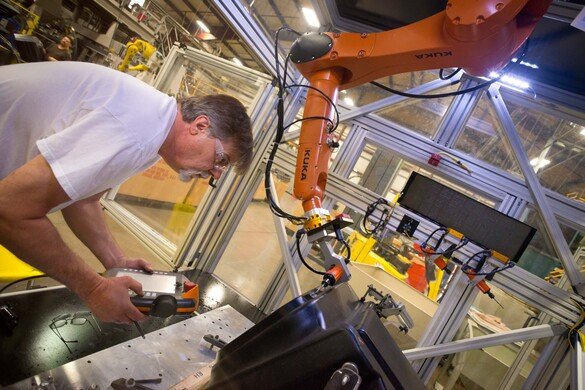
- Workstation Design: Adjustable benches, chairs, and tool placements allow workers to maintain neutral postures, reducing fatigue and the likelihood of errors.
- Tool and Equipment Selection: Lightweight, well-balanced tools minimize strain and enable more precise movements.
- Task Rotation: Rotating employees between tasks helps prevent repetitive motion injuries and keeps engagement high.
- Material Handling: Integrating ergonomic lifts, conveyors, or carts can reduce manual lifting and lower the risk of musculoskeletal disorders. For more on this, see how to improve material handling efficiency.
- Environmental Factors: Proper lighting, temperature control, and noise reduction all play a role in supporting worker comfort and focus.
How Ergonomics Drives Manufacturing Efficiency
The benefits of ergonomic improvements extend beyond worker comfort. By addressing physical demands and workflow bottlenecks, manufacturers can unlock measurable gains in efficiency:
- Reduced Injury Rates: Fewer workplace injuries mean less downtime, lower compensation costs, and a more reliable workforce.
- Increased Throughput: Comfortable workers can sustain higher output levels with fewer mistakes, directly boosting productivity.
- Improved Quality: Ergonomically designed workstations help minimize errors caused by fatigue or awkward movements, resulting in more consistent product quality.
- Lower Turnover: Employees in well-designed environments are more likely to stay, reducing recruitment and training expenses.
Research and case studies consistently show that investing in ergonomic solutions yields a strong return, both in terms of operational performance and employee satisfaction.
Practical Steps for Integrating Ergonomics into Manufacturing
For organizations looking to enhance manufacturing efficiency through ergonomics, a structured approach is key. Here’s how to get started:
- Assess Current Conditions: Conduct ergonomic risk assessments to identify high-risk tasks, awkward postures, and repetitive motions.
- Engage Employees: Involve workers in the process. Their firsthand experience is invaluable for pinpointing problem areas and testing solutions.
- Prioritize Interventions: Focus on changes that offer the greatest impact, such as redesigning workstations or introducing assistive devices.
- Train and Educate: Provide ongoing training on safe work practices, proper lifting techniques, and the use of ergonomic equipment.
- Monitor and Adjust: Continuously review outcomes and solicit feedback to refine ergonomic measures over time.
For more comprehensive strategies on streamlining production, manufacturers can benefit from resources like improving the efficiency of your production planning and control.
Common Challenges and Solutions in Ergonomic Implementation
While the advantages of ergonomic improvements are clear, manufacturers may face obstacles during implementation. Typical challenges include budget constraints, resistance to change, and lack of expertise. Overcoming these hurdles often requires a phased approach, starting with low-cost adjustments and gradually scaling up as benefits become evident.
Leadership commitment and clear communication are crucial. Sharing success stories and data on reduced injuries or improved output can help build support across the organization. For additional insights on minimizing mistakes and errors, see how to reduce production errors.
Integrating Ergonomics with Broader Efficiency Initiatives
Ergonomics should not be viewed in isolation. When combined with other lean manufacturing and process improvement strategies, such as mistake proofing and enhanced team communication, the impact on efficiency is even greater. For example, adopting how to improve communication in production teams can further reduce misunderstandings and streamline workflow, while warehouse efficiency tips for manufacturing can optimize material flow.
By embedding ergonomic thinking into every stage of production planning and continuous improvement, manufacturers can create safer, more productive, and more resilient operations.
Frequently Asked Questions
How does ergonomics reduce workplace injuries in manufacturing?
Ergonomic interventions minimize awkward postures, repetitive motions, and excessive force, all of which are leading causes of musculoskeletal disorders. By redesigning tasks and tools to fit workers’ needs, manufacturers can significantly lower the incidence of strains, sprains, and other injuries.
What are some low-cost ergonomic improvements for factories?
Simple changes like adjusting workstation heights, providing anti-fatigue mats, organizing tools within easy reach, and rotating job assignments can have a big impact without major investment. Training employees on proper lifting and posture also helps prevent injuries.
Can ergonomic improvements increase production speed?
Yes, when workers are comfortable and less fatigued, they can maintain higher productivity levels with fewer mistakes. Ergonomically optimized environments often lead to faster cycle times, reduced rework, and improved overall efficiency.