
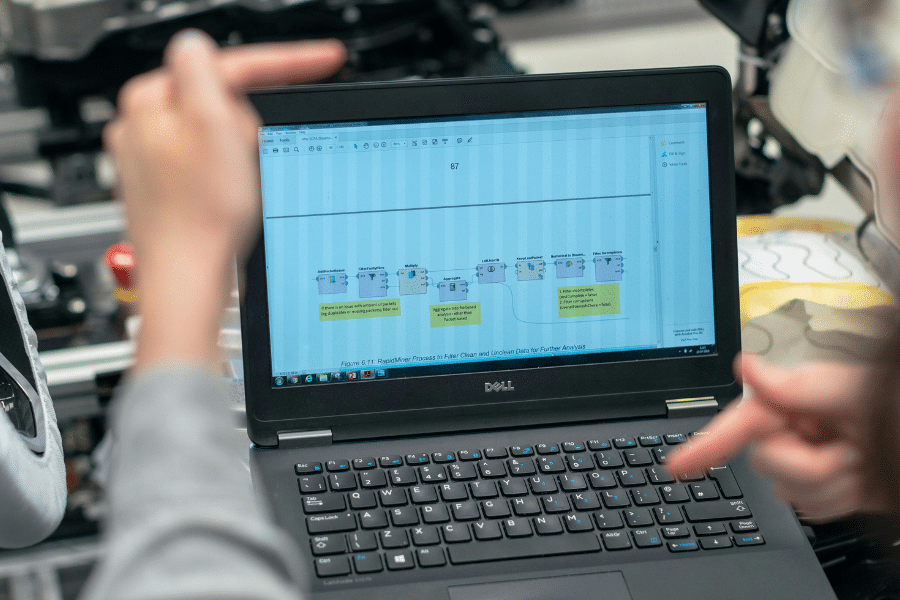
As manufacturing and quality control continue to evolve, ai inspection system components have become essential for organizations seeking to automate and enhance their inspection processes. These advanced systems leverage artificial intelligence to detect defects, ensure product consistency, and streamline operations across various industries. Understanding the main building blocks of these solutions is crucial for anyone considering implementation or looking to optimize existing workflows.
In this article, we’ll break down the fundamental elements that make up a modern AI-powered inspection platform. From data acquisition to deep learning models and integration with production lines, each part plays a vital role in achieving reliable, scalable, and accurate inspection results. For those interested in a broader overview of how these technologies compare to traditional approaches, our resource on ai vs traditional machine vision provides additional context.
Key Elements of Modern AI Inspection Platforms
The effectiveness of an AI-based inspection solution depends on the seamless integration of several core modules. Let’s explore the most important ai inspection system components that enable automated visual analysis and decision-making.
1. Data Acquisition and Imaging Hardware
At the heart of every automated inspection setup is a robust data acquisition system. This typically includes high-resolution cameras, sensors, and lighting arrangements designed to capture detailed images or videos of products as they move through the production line. The quality and consistency of the captured data are critical, as they directly impact the accuracy of downstream AI analysis.
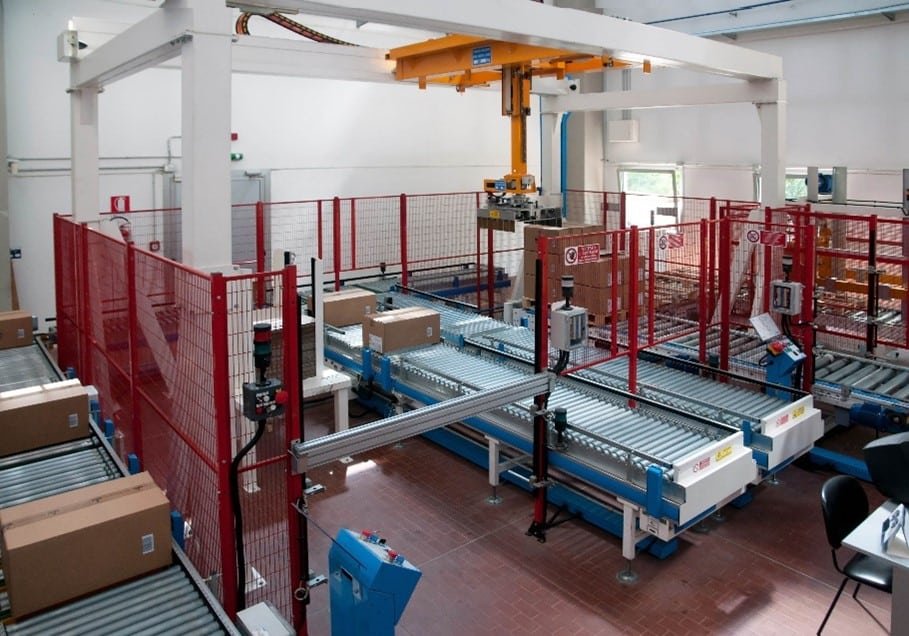
- Cameras and Sensors: Capture visual or multi-spectral data for analysis.
- Lighting Systems: Ensure consistent illumination to minimize shadows and reflections.
- Trigger Mechanisms: Synchronize image capture with product movement for precise inspection.
Proper selection and calibration of these components are essential for reducing false positives and negatives in defect detection.
2. Data Preprocessing and Annotation
Before images can be analyzed by AI models, they often require preprocessing. This stage involves cleaning, resizing, normalizing, and sometimes augmenting the raw data to ensure it meets the input requirements of the neural networks. Annotation is another crucial step, where experts label defects, features, or regions of interest within the images. These labeled datasets are used to train and validate the AI algorithms.
- Image Enhancement: Improves clarity and highlights relevant features.
- Data Augmentation: Expands training datasets through rotation, flipping, or color adjustments.
- Annotation Tools: Facilitate accurate labeling for supervised learning.
3. Deep Learning and Computer Vision Algorithms
The intelligence of an automated inspection solution lies in its AI models. These typically involve deep learning architectures such as convolutional neural networks (CNNs) that excel at recognizing patterns, anomalies, and defects in visual data. The models are trained on annotated datasets to distinguish between acceptable and defective products.
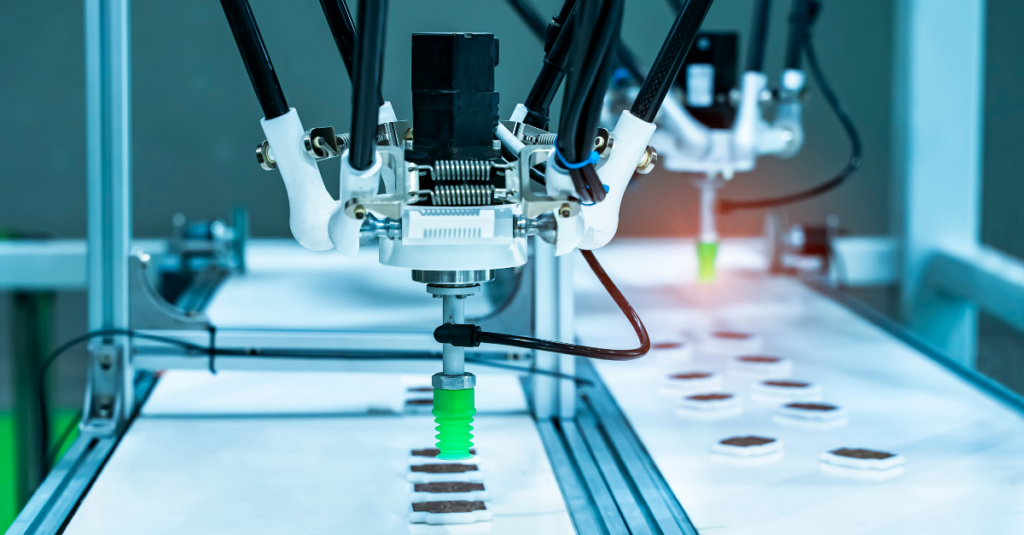
These algorithms are continuously refined as more data is collected, improving their ability to detect subtle defects and adapt to changes in product design or manufacturing conditions. For a deeper dive into how these models work, see this overview of deep learning for visual inspection.
4. Real-Time Processing and Decision-Making
Once the AI models are trained, they must process new data in real time. This involves running inference on incoming images, classifying products, and triggering alerts or actions when defects are detected. Low-latency processing is essential for keeping up with fast-moving production lines and minimizing downtime.
- Edge Computing: Deploys AI models directly on production hardware for rapid analysis.
- Cloud Integration: Enables scalable processing and centralized monitoring.
- Automated Alerts: Notifies operators or systems when anomalies are found.
5. Integration with Manufacturing Systems
Effective AI inspection platforms must seamlessly connect with existing manufacturing execution systems (MES), programmable logic controllers (PLCs), and quality management tools. This integration allows for automated rejection of defective items, real-time reporting, and continuous improvement of production processes.
- API Connectivity: Facilitates communication between inspection software and factory systems.
- Data Logging: Stores inspection results for traceability and compliance.
- Feedback Loops: Uses inspection data to optimize upstream processes and reduce defects.
Benefits of a Well-Designed AI Inspection Setup
Investing in the right ai inspection system components offers several advantages for manufacturers and quality assurance teams:
- Increased Accuracy: AI models can detect even subtle defects that human inspectors might miss.
- Higher Throughput: Automated systems inspect products faster and more consistently than manual methods.
- Cost Savings: Early detection of defects reduces waste and minimizes costly recalls.
- Scalability: Easily adapts to new product lines or inspection criteria with minimal reconfiguration.
- Data-Driven Insights: Continuous data collection enables ongoing process optimization.
For those seeking to further optimize their operations, our guide on how to improve production scalability discusses strategies for expanding capacity while maintaining quality.
Challenges and Considerations When Building an AI Inspection Solution
While the benefits are significant, deploying an AI-powered inspection system comes with its own set of challenges. Some of the most common hurdles include:
- Data Quality: Poor image quality or inconsistent labeling can undermine model performance.
- Change Management: Integrating new technology requires training staff and updating workflows.
- System Maintenance: Regular updates and recalibration are necessary to maintain accuracy over time.
- Cost of Implementation: Initial investment in hardware, software, and expertise can be substantial.
- Regulatory Compliance: Ensuring that inspection processes meet industry standards and legal requirements.
Addressing these issues early in the planning and deployment stages will help maximize the return on investment and ensure long-term success.
Frequently Asked Questions
What industries benefit most from AI-based inspection systems?
Sectors such as electronics, automotive, pharmaceuticals, food and beverage, and packaging see significant gains from automated inspection. These industries require high precision and consistency, making AI-driven solutions ideal for detecting defects, verifying assembly, and ensuring regulatory compliance.
How do AI inspection systems differ from traditional machine vision?
Traditional machine vision relies on rule-based algorithms and fixed criteria, while AI-powered systems use deep learning to adapt to new patterns and variations. This enables more flexible and accurate detection of complex defects. For a detailed comparison, see our article on ai vs traditional machine vision.
Can existing production lines be retrofitted with AI inspection components?
Yes, many AI inspection solutions are designed to integrate with legacy equipment. By adding compatible cameras, sensors, and software, manufacturers can upgrade their inspection capabilities without a complete overhaul of their production lines.
How is inspection data used for continuous improvement?
Inspection results are logged and analyzed to identify trends, recurring defects, and process inefficiencies. This data-driven approach enables manufacturers to adjust upstream processes, retrain AI models, and implement corrective actions to reduce future defects.
Conclusion
Understanding the main ai inspection system components is essential for anyone looking to implement or optimize automated quality control. By focusing on robust data acquisition, effective preprocessing, powerful AI models, real-time processing, and seamless integration, manufacturers can achieve higher accuracy, efficiency, and scalability. As technology advances, these systems will continue to play a pivotal role in modern manufacturing and quality assurance.