
Improving production efficiency is a top priority for manufacturers aiming to stay competitive in today’s fast-paced industrial landscape. Real-world examples of efficiency gains not only inspire but also provide actionable insights for businesses seeking to optimize their operations. In this article, we’ll explore a range of production efficiency improvement case studies from different sectors, highlighting practical strategies, measurable outcomes, and key lessons learned.
As digital transformation accelerates, many factories are leveraging advanced technologies and process optimization techniques to achieve significant results. For those interested in how digital tools can further support quality and inspection processes, our guide on augmented reality in quality audits offers additional insights into visualizing data for better decision-making.
Why Real-World Examples Matter for Manufacturing Optimization
Learning from actual success stories helps organizations avoid common pitfalls and accelerate their own improvement journeys. Case studies provide concrete evidence of what works, offering a roadmap for others to follow. They also demonstrate how a combination of process changes, technology adoption, and workforce engagement can deliver sustainable gains in productivity and cost savings.
Case Study 1: Lean Manufacturing in the Plastics Industry
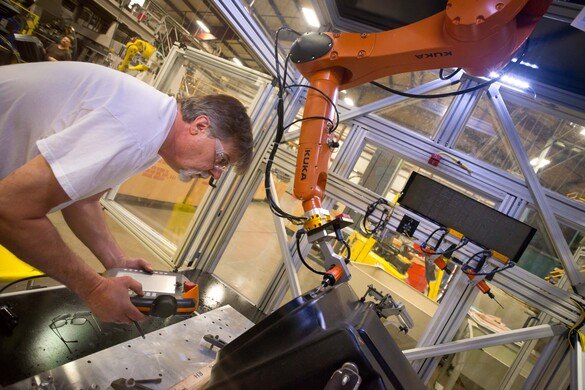
One notable example comes from a leading plastics manufacturer that implemented lean manufacturing principles to streamline its production floor. By mapping out value streams and eliminating non-value-added activities, the company reduced waste and improved throughput. Key steps included:
- Standardizing work instructions to minimize variation
- Reorganizing workstations for better material flow
- Introducing visual management tools to track progress and bottlenecks
As a result, the manufacturer achieved a 20% reduction in cycle time and a 15% increase in overall equipment effectiveness (OEE). Employee engagement also improved as teams became more involved in problem-solving and continuous improvement activities.
Digital Transformation: Smart Factories and Data-Driven Results
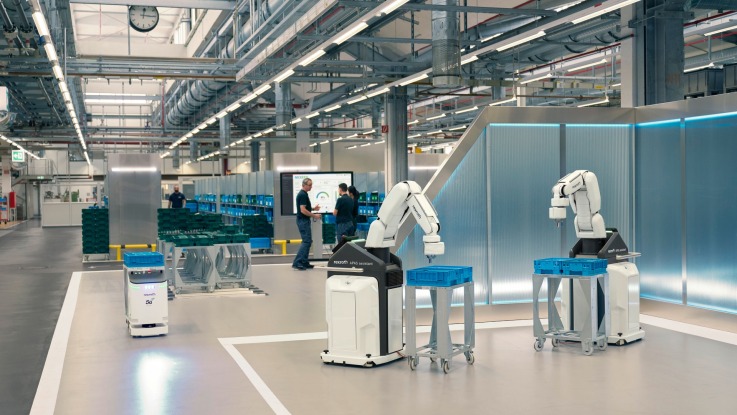
Another compelling case involves a mid-sized electronics manufacturer that embraced Industry 4.0 technologies to boost efficiency. By integrating IoT sensors and real-time analytics, the company gained better visibility into machine performance and production trends. The main initiatives included:
- Installing sensors to monitor equipment health and predict maintenance needs
- Using dashboards to visualize production metrics and quickly identify issues
- Automating data collection to reduce manual entry errors
These changes led to a 25% reduction in unplanned downtime and a 10% increase in yield. The data-driven approach also empowered managers to make faster, more informed decisions, further enhancing operational agility.
Process Control and Planning: Lessons from Automotive Manufacturing
Automotive plants are renowned for their focus on efficiency and quality. One automaker improved its assembly line productivity by refining its production planning and control systems. Key strategies included:
- Implementing just-in-time (JIT) inventory management to minimize stockouts and excess inventory
- Synchronizing supply chain partners for smoother material flow
- Adopting advanced scheduling software to optimize resource allocation
The result was a 30% reduction in lead time and a significant decrease in production costs. This case highlights the importance of aligning planning processes with real-time data and supplier collaboration. For manufacturers seeking more guidance, this comprehensive guide to improving production planning and control efficiency offers practical tips and best practices.
Continuous Improvement: Building a Culture of Efficiency
While technology and process changes are critical, fostering a culture of continuous improvement is equally important. Many successful organizations empower employees at all levels to identify inefficiencies and suggest solutions. Common approaches include:
- Regular kaizen events to drive incremental improvements
- Cross-functional teams focused on specific process challenges
- Recognition programs to reward innovative ideas and results
These cultural shifts often lead to sustained efficiency gains and higher employee satisfaction. They also create an environment where change is embraced rather than resisted, making it easier to implement new technologies and processes.
Emerging Trends in Production Optimization
The landscape of manufacturing efficiency continues to evolve. Recent trends include the adoption of artificial intelligence for predictive maintenance, the use of wearable AI for manual inspection support, and the integration of advanced vision systems. These innovations help manufacturers detect issues earlier, reduce rework, and maintain high quality standards while optimizing resource use.
Another growing area is the use of data analytics to monitor and address AI model drift in factories, ensuring that automated systems remain accurate and reliable over time. For those interested in this topic, our article on monitoring AI model drift in factories provides an in-depth look at maintaining accuracy in industrial environments.
Key Takeaways from Efficiency Improvement Success Stories
Across industries, several common themes emerge from these production efficiency improvement case studies:
- Data-driven decision-making enables faster response to issues and better resource allocation.
- Employee involvement is crucial for identifying bottlenecks and driving continuous improvement.
- Technology adoption—from IoT to AI—can deliver measurable gains when aligned with clear business goals.
- Process standardization and visual management make it easier to sustain improvements over time.
By learning from these examples, manufacturers can tailor their own strategies to achieve similar results, whether through lean initiatives, digital transformation, or process control enhancements.
FAQ
What are the most effective strategies for improving production efficiency?
The most effective strategies include implementing lean manufacturing principles, adopting digital technologies such as IoT and AI, standardizing processes, and fostering a culture of continuous improvement. Each approach should be tailored to the specific needs and challenges of the organization.
How can technology help increase manufacturing productivity?
Technology can boost productivity by providing real-time data for better decision-making, automating routine tasks, predicting maintenance needs, and reducing errors. Tools like IoT sensors, advanced analytics, and wearable AI devices are increasingly used to optimize operations and enhance quality control.
Why is employee engagement important in production efficiency projects?
Engaged employees are more likely to identify inefficiencies, suggest improvements, and embrace new processes or technologies. Their involvement is key to sustaining long-term gains and creating a culture where continuous improvement is part of daily operations.