
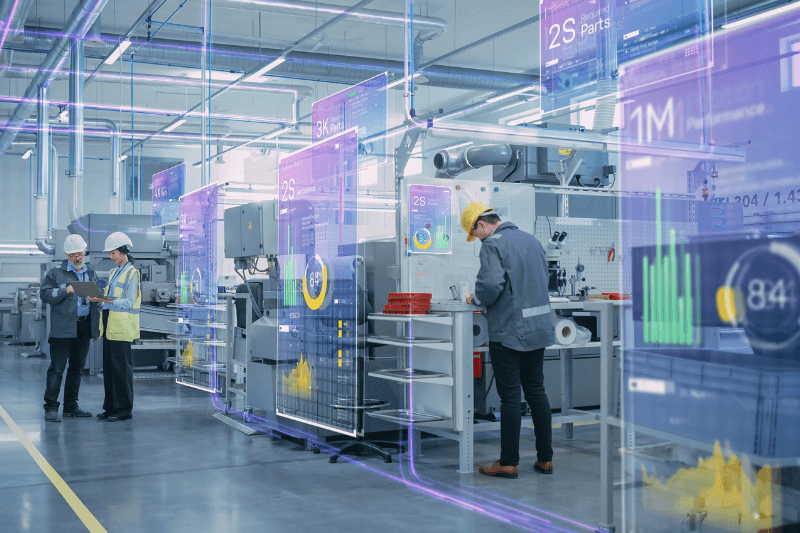
Optimizing packaging line operations is essential for manufacturers aiming to boost productivity, reduce costs, and maintain high product quality. With increasing market demands and tighter margins, businesses are seeking practical ways to enhance throughput and minimize downtime. This article explores proven strategies, modern technologies, and actionable steps for those looking to streamline their packaging processes and achieve measurable improvements.
Before diving into specific tactics, it’s important to recognize that efficiency gains come from a combination of process analysis, staff engagement, and the adoption of smart tools. For organizations interested in leveraging advanced inspection and monitoring, resources like wearable AI for manual inspection support can provide valuable insights into manual operations and help reduce human error.
Understanding the Bottlenecks in Packaging Lines
Identifying and addressing bottlenecks is a foundational step in any effort to increase packaging line efficiency. These slowdowns can occur at various stages, from material supply and equipment setup to quality inspection and final packing. Common causes include:
- Outdated or poorly maintained machinery
- Inefficient workflow layouts
- Manual handling errors
- Unplanned downtime due to maintenance issues
- Inconsistent supply of packaging materials
Regularly analyzing production data and soliciting feedback from line operators can help pinpoint where delays most frequently occur. Once identified, these areas become prime targets for improvement initiatives.
Key Strategies for Streamlining Packaging Operations
To achieve a more productive packaging environment, consider the following approaches:
1. Invest in Automation and Smart Technology
Automation is a proven way to boost packaging line performance. Automated conveyors, robotic arms, and vision inspection systems can handle repetitive tasks with greater speed and accuracy than manual labor. Integrating augmented reality in quality audits can further enhance inspection processes, reducing errors and ensuring consistent quality.
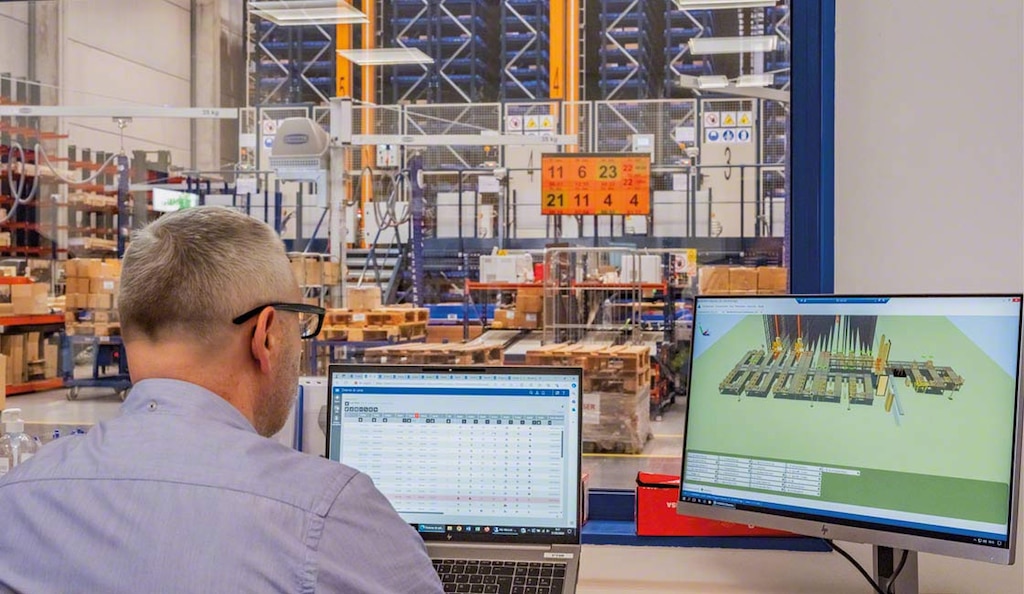
Smart sensors and IoT-enabled devices can provide real-time data on equipment status, product flow, and potential issues. This information allows for predictive maintenance and faster response to disruptions, minimizing unplanned downtime.
2. Optimize Workflow Layout and Ergonomics
The physical arrangement of machinery and workstations can have a significant impact on throughput. A well-designed layout reduces unnecessary movement, shortens travel distances for materials, and improves communication between team members. Consider these best practices:
- Arrange equipment to support a logical flow, from product entry to final packaging
- Minimize cross-traffic and overlapping tasks
- Design workstations for ergonomic comfort to reduce fatigue and errors
Periodic reviews and simulations can help identify layout improvements that support higher efficiency.
3. Standardize Procedures and Train Staff
Consistent, well-documented procedures ensure that all team members follow the same steps, reducing variability and mistakes. Comprehensive training programs keep staff updated on best practices, safety protocols, and new technologies. Empowering operators to suggest improvements can also foster a culture of continuous improvement.
4. Implement Preventive Maintenance Programs
Unexpected equipment failures are a major cause of lost productivity. A preventive maintenance schedule, supported by digital tools, helps keep machines running smoothly and extends their lifespan. Monitoring key performance indicators (KPIs) such as mean time between failures (MTBF) and mean time to repair (MTTR) can guide maintenance priorities.
For more insights on maximizing production efficiency, explore this comprehensive guide to production efficiency.
Leveraging Data and Continuous Improvement
Data-driven decision-making is central to any successful effort to enhance packaging line efficiency. Modern manufacturing systems can collect and analyze vast amounts of operational data, providing actionable insights into performance trends and areas for improvement.

Key metrics to monitor include:
- Overall Equipment Effectiveness (OEE)
- Cycle time per unit
- Downtime frequency and duration
- Yield and defect rates
Regularly reviewing these metrics enables managers to spot inefficiencies, set realistic improvement targets, and track progress over time. Adopting a continuous improvement methodology, such as Lean or Six Sigma, can further drive sustained gains.
Integrating Advanced Inspection and Quality Control
Maintaining high product quality is just as important as increasing speed. Automated inspection systems, including machine vision and AI-powered tools, can detect defects early and prevent faulty products from reaching customers. For organizations interested in advanced monitoring, resources on monitoring AI model drift in factories offer guidance on maintaining accuracy in automated inspections.
Combining automated checks with periodic manual audits ensures a robust quality control process that supports both efficiency and customer satisfaction.
Adapting to Change and Scaling Operations
As product lines evolve and customer demands shift, packaging operations must remain flexible. Modular equipment, scalable automation, and adaptable workflows make it easier to introduce new products or adjust to seasonal fluctuations. Regularly updating procedures and investing in staff training ensures that teams can handle changes without sacrificing productivity.
For those optimizing inspection models, exploring hyperparameter tuning for inspection models can help maintain high accuracy as operations scale.
FAQ: Common Questions About Packaging Line Optimization
What is the most effective first step to increase packaging line efficiency?
The most effective starting point is to conduct a thorough analysis of the current process to identify bottlenecks and sources of waste. This includes reviewing production data, observing workflows, and gathering input from operators. Addressing the most significant bottleneck often yields immediate improvements.
How can automation impact packaging line productivity?
Automation reduces manual handling, minimizes errors, and increases throughput. Automated systems can operate continuously and consistently, leading to higher output and better product quality. Additionally, automation frees up staff to focus on value-added tasks and process improvements.
Why is preventive maintenance important for packaging lines?
Preventive maintenance helps avoid unexpected breakdowns that can halt production and cause costly delays. By regularly servicing equipment and replacing worn parts, manufacturers can maintain optimal performance, extend machinery lifespan, and ensure a smoother workflow.
How does data analysis support ongoing improvements?
Analyzing operational data allows managers to track key performance indicators, identify trends, and uncover hidden inefficiencies. Data-driven insights support informed decision-making and enable teams to set measurable goals for continuous improvement.
Conclusion
Enhancing the performance of packaging lines requires a holistic approach that combines technology, process optimization, and staff engagement. By identifying bottlenecks, investing in automation, standardizing procedures, and leveraging data, manufacturers can achieve significant gains in productivity and quality. Staying adaptable and fostering a culture of continuous improvement will ensure long-term success in an increasingly competitive market.