
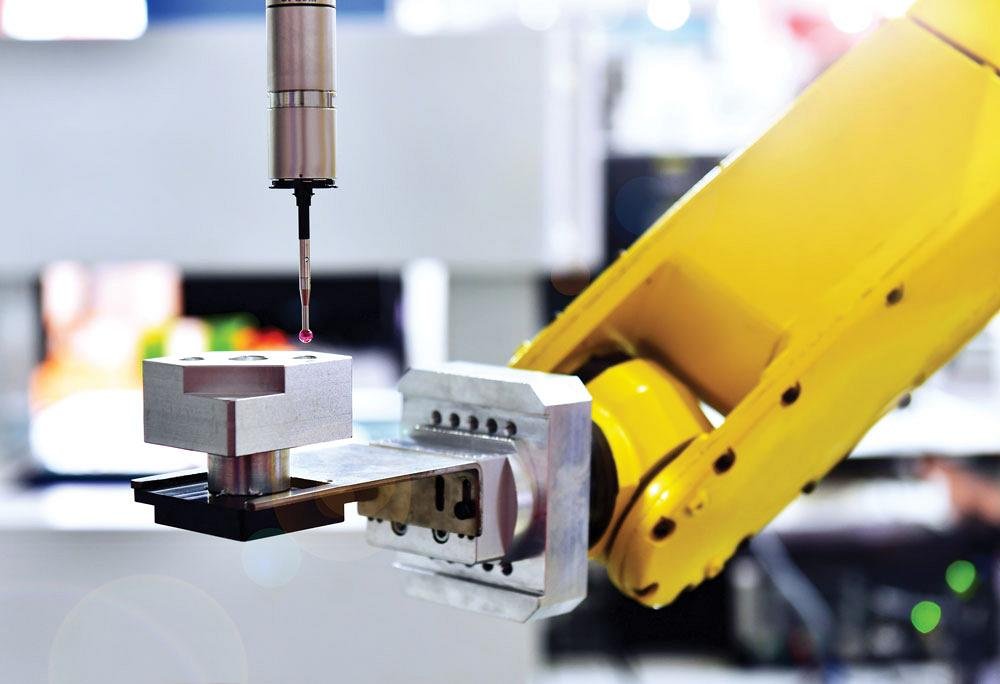
The demand for precision and consistency in manufacturing and industrial processes has never been higher. As organizations strive to meet rigorous quality standards and reduce waste, sensor based quality tracking systems have emerged as a transformative solution. These advanced systems leverage real-time data from a variety of sensors to monitor, analyze, and control production quality at every stage, ensuring that output meets exact specifications.
By integrating sensors directly into production lines, manufacturers can detect defects, measure tolerances, and respond instantly to deviations. This approach not only enhances product reliability but also supports continuous improvement and operational efficiency. For those interested in exploring how modern monitoring tools are shaping the future of manufacturing, the article on next generation quality monitoring systems provides valuable insights into the latest advancements.
How Sensor-Driven Quality Monitoring Works
At the heart of these systems are a range of sensors—such as optical, ultrasonic, laser, and temperature sensors—strategically placed throughout the manufacturing process. These devices continuously collect data on key quality indicators like dimensions, surface finish, temperature, and pressure. The information is then transmitted to centralized software platforms that analyze the data in real time, flagging anomalies and triggering corrective actions when necessary.
Unlike traditional quality control methods that rely on periodic sampling, sensor based quality tracking systems enable 100% inspection and immediate feedback. This shift from reactive to proactive quality management reduces the risk of defective products reaching customers and minimizes costly rework.
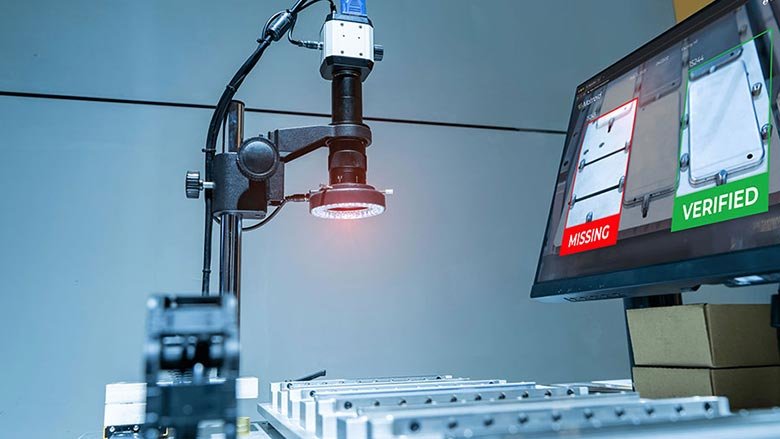
Key Benefits of Automated Quality Tracking
Implementing sensor-driven quality systems brings a host of advantages to manufacturers and process industries:
- Real-time defect detection: Immediate identification of out-of-spec products allows for swift intervention and correction.
- Consistent product quality: Continuous monitoring ensures that every item meets established standards, reducing variability.
- Reduced waste and rework: Early detection of issues prevents large batches of defective goods, saving time and resources.
- Data-driven decision making: Historical and real-time data support root cause analysis and ongoing process optimization.
- Regulatory compliance: Automated documentation and traceability simplify audits and help meet industry regulations.
These benefits are particularly significant in sectors such as automotive, electronics, food and beverage, and pharmaceuticals, where quality is paramount and regulatory requirements are stringent.
Types of Sensors Used in Quality Tracking
The effectiveness of a quality tracking system depends largely on the types of sensors deployed. Some of the most common include:
- Vision sensors: Used for surface inspection, pattern recognition, and dimensional measurement.
- Laser displacement sensors: Measure thickness, flatness, and other geometric properties with high precision.
- Temperature and humidity sensors: Monitor environmental conditions that can affect product quality.
- Pressure sensors: Ensure proper sealing, molding, or filling in various processes.
- Ultrasonic sensors: Detect flaws or inconsistencies in materials and assemblies.
The integration of these sensors with machine learning algorithms and advanced analytics further enhances their ability to predict and prevent quality issues before they escalate.
Integrating Sensor-Based Solutions with Manufacturing Systems
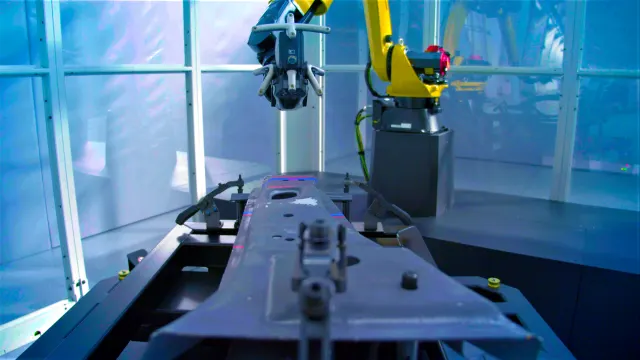
For maximum impact, sensor-based quality tracking must be seamlessly integrated with existing manufacturing execution systems (MES), enterprise resource planning (ERP), and other digital platforms. This connectivity enables:
- Automated alerts and process adjustments based on sensor feedback
- Centralized data storage for trend analysis and reporting
- Closed-loop control, where machines self-correct based on real-time measurements
- Enhanced traceability from raw materials to finished goods
Such integration supports a holistic approach to quality management, aligning production operations with business objectives and customer expectations.
Applications Across Industries
The versatility of sensor-driven quality tracking makes it valuable across a wide range of industries:
- Automotive: Ensures critical components meet safety and performance standards.
- Electronics: Detects micro-defects in circuit boards and assemblies.
- Pharmaceuticals: Monitors dosage accuracy and packaging integrity.
- Food and beverage: Controls filling levels, seal integrity, and contamination risks.
- Metals and plastics: Measures thickness, hardness, and surface finish in real time.
As manufacturing processes become more complex and customer expectations rise, the ability to guarantee quality at scale is a key competitive advantage.
Challenges and Considerations in Implementation
While the benefits are clear, deploying sensor-based quality tracking is not without challenges. Organizations must consider:
- Initial investment: High-quality sensors and integration can require significant upfront costs.
- Data management: Large volumes of sensor data demand robust storage and analytics capabilities.
- System compatibility: Ensuring new sensors work with legacy equipment and software.
- Staff training: Teams must be equipped to interpret data and respond to alerts effectively.
Overcoming these hurdles often involves a phased approach, starting with pilot projects and scaling up as value is demonstrated. For organizations seeking to further optimize their operations, exploring OEE monitoring and quality control can provide additional insights into maximizing plant efficiency.
Continuous Monitoring and the Future of Quality Assurance
The evolution of sensor based quality tracking systems is closely tied to advances in the Industrial Internet of Things (IIoT), artificial intelligence, and cloud computing. Modern systems are increasingly capable of continuous controls monitoring, enabling predictive maintenance, adaptive process control, and even autonomous quality management.
As these technologies mature, manufacturers can expect even greater accuracy, speed, and flexibility in their quality assurance processes. The result is not only fewer defects and recalls but also faster innovation cycles and improved customer satisfaction.
Frequently Asked Questions
What are the main advantages of using sensor-driven quality tracking over manual inspection?
Sensor-driven systems provide real-time, objective, and consistent monitoring of every product, reducing human error and enabling immediate corrective action. This leads to higher product quality, less waste, and improved traceability compared to manual sampling and inspection.
How do these systems contribute to regulatory compliance?
Automated quality tracking systems generate detailed records of production parameters and inspection results, simplifying compliance with industry regulations. They also provide traceability for audits and help demonstrate adherence to quality standards.
Can sensor-based solutions be retrofitted to existing production lines?
Yes, many sensor technologies are designed for easy integration with legacy equipment. However, successful implementation may require updates to data infrastructure and staff training to fully leverage the benefits of automated quality monitoring.