
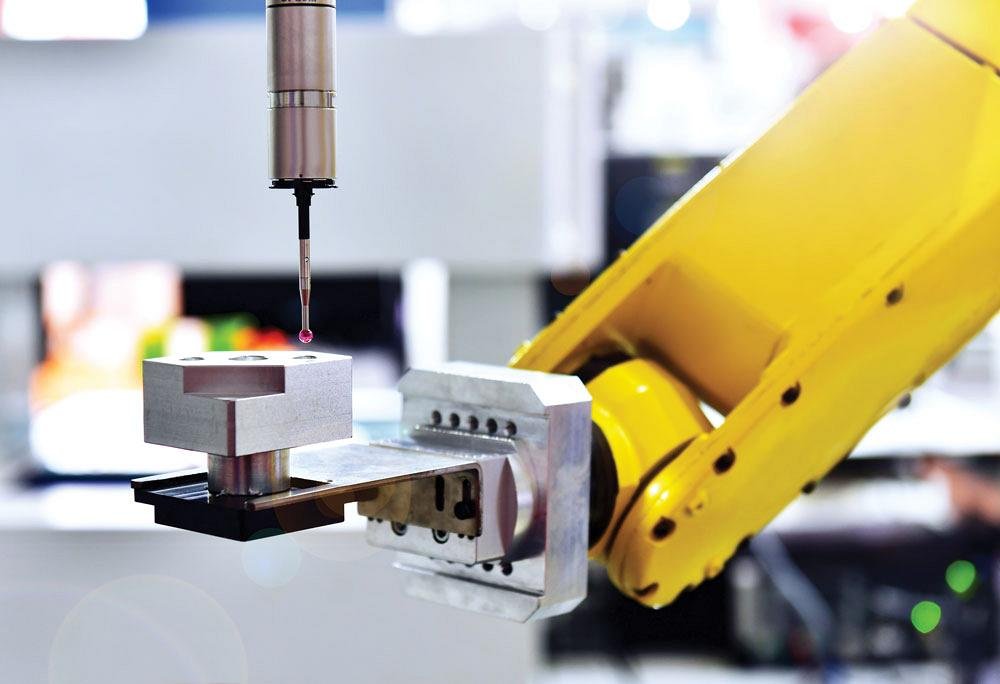
Quality control for smart factories is rapidly evolving as manufacturing embraces digital transformation. Today’s production environments leverage advanced technologies—such as artificial intelligence, machine vision, and real-time analytics—to ensure products meet stringent quality standards. This comprehensive guide explores how modern quality assurance is implemented in connected, intelligent factories, the benefits and challenges involved, and best practices for manufacturers aiming to stay competitive.
As the demand for higher efficiency and reduced defects grows, manufacturers are turning to integrated solutions that combine automation, data analytics, and continuous monitoring. These innovations not only improve consistency but also enable proactive detection of issues, minimizing costly downtime and waste. For teams seeking to optimize their processes, adopting the latest quality management tools is essential.
To further enhance your understanding of how analytics can drive smarter manufacturing teams, explore advanced manufacturing quality analytics for actionable insights and real-world applications.
How Digital Transformation Is Shaping Manufacturing Quality
The shift toward smart manufacturing is fundamentally changing how quality is managed. Traditional methods—manual inspections, periodic sampling, and paper-based records—are giving way to automated, data-driven approaches. In connected factories, sensors, cameras, and IoT devices continuously collect data from every stage of production. This information is analyzed in real time, allowing for immediate identification of deviations and rapid response to potential defects.
Quality control for smart factories is no longer a reactive process. Instead, it is predictive and preventive, leveraging big data and machine learning to anticipate problems before they impact output. This transformation not only improves product quality but also enhances traceability and compliance, which are critical in regulated industries.
Core Technologies Powering Modern Quality Assurance
Several key technologies are driving the evolution of quality management in intelligent production environments:
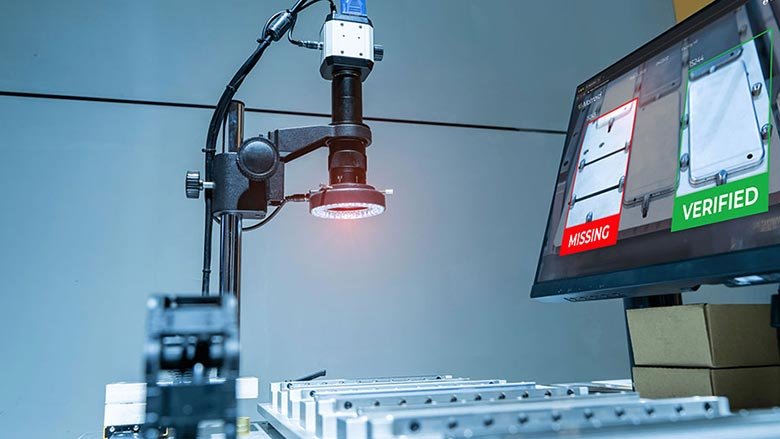
- Machine Vision Systems: High-resolution cameras and AI algorithms inspect products for defects, measure dimensions, and verify assembly accuracy at speeds impossible for human inspectors.
- Industrial IoT (IIoT): Connected sensors monitor variables such as temperature, pressure, and vibration, providing a continuous stream of process data for analysis.
- Real-Time Analytics: Advanced software platforms aggregate and analyze data from multiple sources, enabling rapid decision-making and root cause analysis.
- Automated Feedback Loops: Integration with manufacturing execution systems (MES) allows for automatic adjustments to machinery and processes when deviations are detected.
These technologies form the backbone of a proactive quality strategy, reducing human error and enabling consistent, repeatable results.
Benefits of Smart Quality Control Systems
Implementing advanced quality management in modern factories delivers significant advantages:
- Increased Efficiency: Automated inspections and real-time monitoring reduce bottlenecks and speed up production cycles.
- Higher Product Consistency: Continuous data collection ensures that every unit meets specifications, minimizing variability.
- Cost Reduction: Early detection of defects lowers scrap rates, rework, and warranty claims.
- Enhanced Traceability: Digital records make it easier to track quality issues back to their source, supporting compliance and process improvement.
- Faster Problem Resolution: Real-time alerts and analytics enable teams to address issues before they escalate, reducing downtime.
For organizations aiming to boost plant efficiency, integrating OEE monitoring and quality control can provide a comprehensive view of operational performance and quality outcomes.
Challenges in Implementing Quality Control for Smart Factories
While the benefits are clear, transitioning to digital quality management comes with challenges:
- Data Integration: Merging information from legacy systems, new sensors, and various software platforms can be complex.
- Change Management: Employees need training to adapt to new workflows and technologies.
- Cybersecurity: Increased connectivity raises the risk of data breaches and requires robust security protocols.
- Initial Investment: Upfront costs for hardware, software, and integration can be significant, though long-term savings often outweigh these expenses.
Manufacturers should approach implementation with a clear strategy, focusing on scalable solutions and ongoing staff development.
Best Practices for Effective Quality Management in Connected Factories
To maximize the impact of digital quality initiatives, manufacturers should consider the following best practices:
- Define Clear Objectives: Establish measurable goals for quality improvement, such as reducing defect rates or increasing first-pass yield.
- Leverage Advanced Analytics: Use predictive analytics and machine learning to identify trends and anticipate issues before they affect production.
- Integrate Systems: Ensure seamless communication between quality management, production, and maintenance systems for a unified approach.
- Implement Continuous Monitoring: Adopt continuous controls monitoring to detect anomalies in real time and maintain compliance.
- Foster a Culture of Quality: Engage employees at all levels, providing training and encouraging proactive problem-solving.
By following these guidelines, organizations can create a resilient, future-ready quality framework that adapts to changing demands and technologies.
Key Metrics and Analytics for Smart Factory Quality
Measuring and analyzing the right metrics is essential for ongoing improvement. Some of the most important indicators include:
- Defect Rate: Percentage of products that fail to meet quality standards.
- First Pass Yield (FPY): Proportion of units that pass inspection without rework.
- Overall Equipment Effectiveness (OEE): Combines availability, performance, and quality to assess manufacturing productivity.
- Process Capability (Cp, Cpk): Statistical measures of how well a process produces output within specification limits.
- Variance Detection: Early identification of unusual patterns or spikes in process data, which can indicate emerging issues. For more on this, see variance detection in manufacturing.
Tracking these metrics enables continuous improvement and supports data-driven decision-making.
Integrating Quality Control with Next-Generation Monitoring Systems
Modern factories benefit from integrating quality management with advanced monitoring platforms. These systems provide a holistic view of production, combining process data, inspection results, and maintenance records. By unifying information, manufacturers can quickly identify root causes, optimize workflows, and ensure compliance with industry standards.
For a deeper dive into how these solutions are transforming the industry, explore next generation quality monitoring systems and their role in smart manufacturing environments.
FAQ
What is the main advantage of using automated quality control in smart factories?
Automated systems provide faster, more accurate inspections and enable real-time detection of defects. This leads to improved product consistency, reduced waste, and lower operational costs compared to manual methods.
How does machine vision improve manufacturing quality?
Machine vision uses high-resolution cameras and AI to inspect products for defects, measure dimensions, and verify assembly accuracy. It operates at high speed and with greater precision than human inspectors, ensuring every unit meets quality standards.
What challenges should manufacturers expect when implementing digital quality management?
Common challenges include integrating new technologies with existing systems, training staff, ensuring data security, and managing the initial investment. Careful planning and a phased approach can help address these issues effectively.
How can manufacturers ensure continuous improvement in quality?
By regularly tracking key metrics, leveraging predictive analytics, and fostering a culture of quality, organizations can identify areas for improvement and adapt processes to maintain high standards over time.