
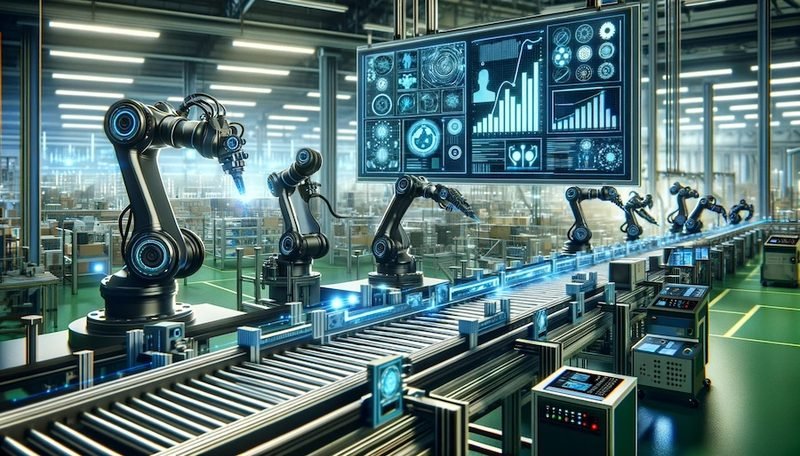
Manufacturing is undergoing a rapid transformation, driven by the integration of smart sensors for quality control into production lines. These advanced devices are reshaping how factories monitor, analyze, and optimize every stage of the process. By capturing real-time data and providing actionable insights, smart sensors are enabling plants to achieve higher standards of consistency, efficiency, and traceability.
As competition intensifies and customer expectations rise, manufacturers are seeking innovative ways to reduce defects, minimize downtime, and ensure product reliability. The adoption of intelligent sensor technology is now a key differentiator, allowing organizations to stay agile and responsive in a dynamic market. For teams looking to leverage data-driven decision-making, exploring advanced manufacturing quality analytics can further enhance operational excellence and support smarter quality initiatives.
The Evolution of Quality Assurance in Manufacturing
Traditional quality control methods often relied on manual inspections, periodic sampling, and after-the-fact analysis. While these approaches provided some level of oversight, they were prone to human error, inconsistent results, and delays in detecting issues. The introduction of smart sensors has fundamentally changed this landscape.
Modern sensors are equipped with advanced capabilities such as machine vision, edge computing, and wireless connectivity. They continuously monitor critical parameters—such as temperature, pressure, vibration, and visual appearance—directly on the production floor. This real-time data collection enables immediate detection of anomalies, reducing the risk of defective products reaching customers.
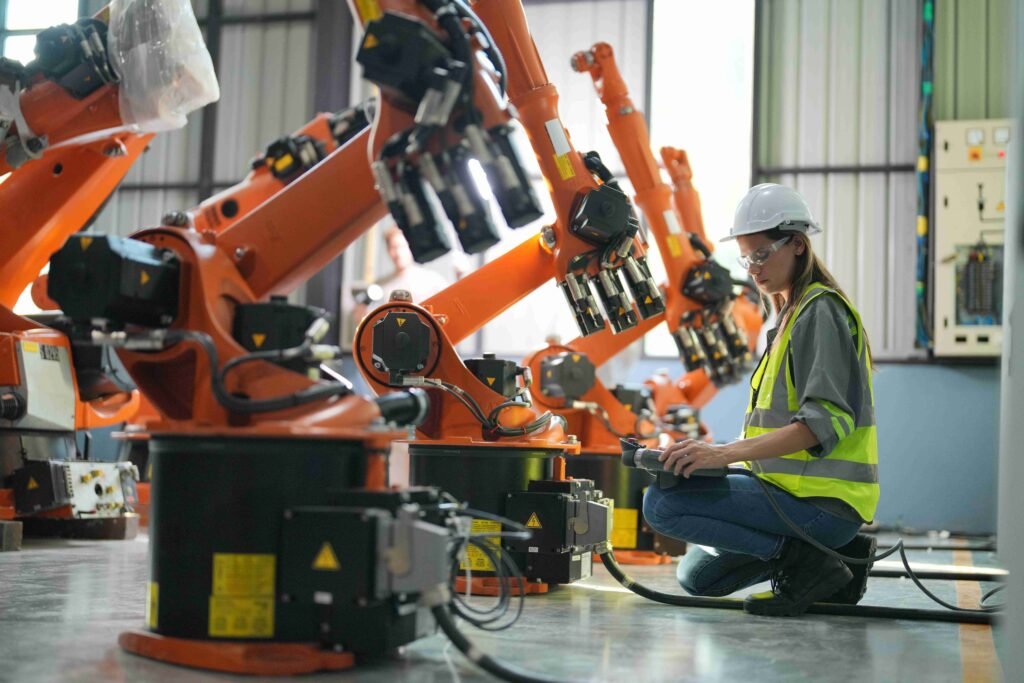
How Smart Sensors Transform Plant Data Collection
The deployment of smart sensors for quality control brings a new level of precision and transparency to manufacturing operations. Here’s how these devices are revolutionizing data collection and analysis:
- Continuous Monitoring: Sensors gather data around the clock, providing a comprehensive view of production health and trends.
- Automated Alerts: When a parameter deviates from its set range, the system can trigger instant notifications, enabling rapid intervention.
- Data Integration: Sensor outputs can be seamlessly fed into manufacturing execution systems (MES) and analytics platforms, supporting holistic process optimization.
- Traceability: Every product batch can be linked to its quality metrics, simplifying root cause analysis and regulatory compliance.
By leveraging these capabilities, manufacturers can proactively address issues, reduce scrap rates, and maintain consistent product quality. For organizations interested in even more robust oversight, exploring next generation quality monitoring systems offers additional layers of automation and intelligence.
Types of Smart Sensors Used in Quality Control
There are various sensor technologies available, each suited to specific quality control applications. Some of the most common types include:
- Vision Sensors: Used for visual inspection, defect detection, and dimensional measurement. These sensors can identify surface flaws, misalignments, and missing components with high accuracy.
- Temperature and Humidity Sensors: Essential for monitoring environmental conditions that affect product quality, especially in food, pharmaceutical, and electronics manufacturing.
- Vibration and Acoustic Sensors: Deployed to detect abnormal machine behavior, which can signal equipment wear or impending failure.
- Force and Pressure Sensors: Used to verify assembly processes, such as torque application or press-fit operations, ensuring consistent results.
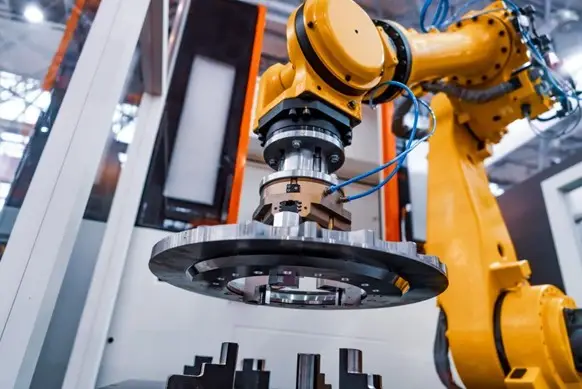
Benefits of Implementing Intelligent Quality Monitoring
Adopting smart sensors for quality control delivers a range of tangible benefits for manufacturers:
- Improved Product Consistency: Automated, objective measurements reduce variability and ensure every item meets specifications.
- Faster Problem Resolution: Real-time alerts and diagnostics enable teams to address issues before they escalate, minimizing downtime and waste.
- Enhanced Compliance: Detailed records and traceability simplify audits and help meet industry standards.
- Cost Savings: Early detection of defects reduces rework, scrap, and warranty claims, directly impacting the bottom line.
- Data-Driven Insights: Historical data analysis supports continuous improvement and strategic decision-making.
For those seeking to further reduce process variability, integrating variance detection in manufacturing can help spot spikes early and maintain steady production quality.
Challenges and Considerations in Sensor Deployment
While the advantages are clear, successful implementation of smart sensor technology requires careful planning. Key considerations include:
- Integration with Legacy Systems: Ensuring compatibility with existing equipment and IT infrastructure is crucial for seamless data flow.
- Data Management: The volume of information generated can be substantial. Robust storage, processing, and analysis tools are needed to extract value from the data.
- Cybersecurity: As sensors become more connected, protecting sensitive production data from cyber threats is essential.
- Change Management: Staff may need training to interpret sensor data and respond to automated alerts effectively.
Addressing these challenges upfront can help organizations realize the full potential of their investment in intelligent quality monitoring.
Real-Time Monitoring and the Future of Manufacturing
The shift towards real-time, sensor-driven quality assurance is part of a broader trend towards digital transformation in manufacturing. By enabling continuous oversight and rapid response, these technologies are setting new benchmarks for operational excellence.
For a deeper dive into the advantages of always-on monitoring, consider the insights from the benefits of real-time monitoring, which highlight how instant data access can drive better outcomes across industries.
Looking ahead, the integration of artificial intelligence and machine learning with sensor networks will further enhance predictive capabilities. This will enable plants to not only detect quality issues as they occur but also anticipate and prevent them before they impact production.
Best Practices for Maximizing Sensor-Driven Quality Control
To fully capitalize on the advantages of smart sensors, manufacturers should follow these best practices:
- Start with a clear quality objective and select sensors that align with your most critical parameters.
- Ensure robust connectivity and data integration across all relevant systems.
- Regularly calibrate and maintain sensors to guarantee accurate readings.
- Leverage analytics tools to turn raw data into actionable insights for continuous improvement.
- Foster a culture of data-driven decision-making throughout the organization.
For those aiming to boost efficiency alongside quality, exploring OEE monitoring and quality control can provide a holistic view of plant performance and identify further opportunities for optimization.
FAQ
What are smart sensors and how do they improve quality control?
Smart sensors are advanced devices that automatically collect and transmit data about production processes. They improve quality control by providing real-time monitoring, enabling immediate detection of deviations, and supporting automated decision-making to maintain consistent product standards.
Which industries benefit most from intelligent sensor technology?
Industries such as automotive, electronics, pharmaceuticals, food and beverage, and aerospace benefit greatly from intelligent sensors. These sectors require high precision, traceability, and compliance, making automated quality monitoring especially valuable.
How do smart sensors support continuous improvement in manufacturing?
By collecting and analyzing large volumes of process data, smart sensors help identify trends, root causes of defects, and areas for process optimization. This enables manufacturers to implement targeted improvements and sustain higher levels of quality over time.
Can smart sensors be integrated with existing manufacturing systems?
Yes, most modern smart sensors are designed to integrate with legacy equipment and digital platforms. However, careful planning and the right middleware solutions are often needed to ensure seamless data flow and compatibility.