
In the world of manufacturing, metal fabrication quality assurance is essential for meeting demanding industry requirements and delivering reliable products. Whether producing components for aerospace, automotive, or heavy machinery, maintaining strict quality protocols is not just a regulatory necessity—it’s a competitive advantage. As customer expectations and compliance standards rise, fabricators must adopt robust systems to ensure every part meets or exceeds expectations.
Modern fabrication shops rely on advanced analytics, real-time monitoring, and systematic inspections to minimize defects and optimize output. Integrating these approaches early in the production process helps identify issues before they escalate, saving time and resources. For organizations seeking to improve their quality processes, leveraging advanced manufacturing quality analytics can offer actionable insights and drive continuous improvement across teams.
Understanding the Importance of Quality in Metal Fabrication
Quality assurance in metalworking is more than just a checklist—it’s a comprehensive approach that touches every stage of production. From raw material selection to final inspection, each step must be carefully managed to ensure the finished product is safe, functional, and durable. The consequences of poor quality can be severe, leading to costly recalls, safety hazards, and reputational damage.
Industries such as aerospace, medical devices, and automotive manufacturing impose some of the strictest standards. Components must not only fit precise specifications but also withstand harsh environments and repeated stress. This is why a proactive, data-driven approach to quality is critical for fabricators aiming to serve these sectors.
Key Elements of a Robust Metal Fabrication Quality Assurance Program
Building a strong quality system involves several interconnected elements. Here are the foundational pillars that support effective assurance in metalworking environments:
- Material Verification: Confirming the composition and properties of metals before fabrication begins, ensuring compliance with project requirements.
- Process Control: Monitoring and controlling variables such as temperature, pressure, and machine calibration throughout production.
- Inspection and Testing: Employing both in-process and final inspections, including dimensional checks, weld integrity tests, and surface finish evaluations.
- Documentation and Traceability: Maintaining detailed records for every batch, including test results and process adjustments, to enable root cause analysis if issues arise.
- Continuous Improvement: Using feedback loops and analytics to identify trends, reduce variation, and enhance future production runs.
Best Practices for Meeting Stringent Quality Requirements
To consistently achieve high standards, fabricators should implement a combination of technology, training, and process discipline. Here are some proven strategies:
Adopt Real-Time Monitoring and Data Analytics
Integrating real-time monitoring systems allows teams to detect deviations as soon as they occur. By capturing data from sensors and machines, manufacturers can quickly identify trends and intervene before defects propagate. For example, using next generation quality monitoring systems helps ensure that any process drift or equipment malfunction is addressed immediately, reducing scrap and rework rates.
Advanced analytics tools can also reveal hidden patterns in production data, enabling predictive maintenance and smarter resource allocation. This proactive approach is especially valuable for high-mix, low-volume environments where variability is common.
Standardize Procedures and Employee Training
Clear, standardized work instructions are essential for minimizing human error. Regular training ensures that operators understand the importance of each step and are equipped to spot potential issues. Certification programs and ongoing skills development help maintain a culture of quality throughout the organization.
Leverage Automated Inspection Technologies
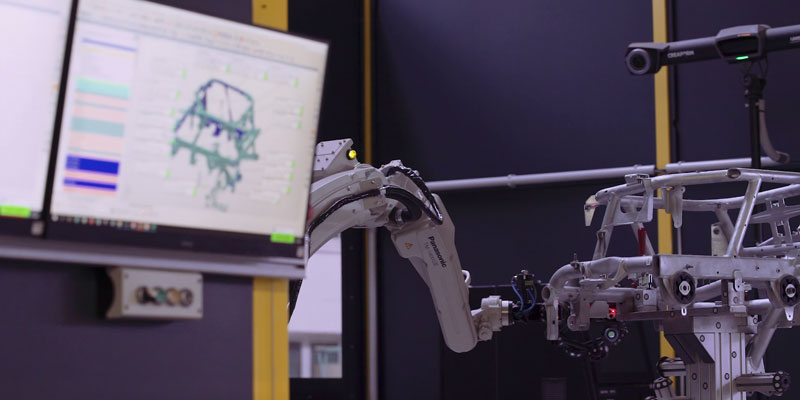
Automated inspection tools, such as coordinate measuring machines (CMMs), laser scanners, and machine vision systems, provide fast, accurate assessments of part dimensions and surface quality. These technologies reduce subjectivity and speed up the inspection process, making it easier to meet tight deadlines without sacrificing accuracy.
Quality Assurance Standards and Certifications in Metalworking
Compliance with recognized standards is a key requirement for many customers. Common certifications and frameworks include:
- ISO 9001: Focuses on quality management systems and continuous improvement.
- ISO 3834: Addresses welding quality requirements for fusion-welded metallic materials.
- AS9100: Specific to aerospace manufacturing, with additional requirements for traceability and risk management.
- IATF 16949: Automotive sector standard for quality management in the supply chain.
Achieving and maintaining these certifications demonstrates a commitment to rigorous quality practices and can open doors to new markets. Regular audits and internal reviews are necessary to ensure ongoing compliance and identify opportunities for further improvement.
Using Technology to Reduce Downtime and Improve Output
Modern fabrication shops are increasingly turning to digital solutions to streamline operations and minimize downtime. Implementing real-time monitoring not only helps with defect detection but also boosts productivity by identifying bottlenecks and inefficiencies. For a deeper look at how this works in practice, see this guide to real-time monitoring for reducing downtime and increasing output.
Combining these systems with variance detection in manufacturing allows organizations to spot spikes or drifts in quality metrics early, ensuring that corrective actions are taken before problems escalate.
Continuous Improvement and Future Trends
Quality assurance is not a one-time effort but an ongoing commitment. Leading fabricators invest in continuous improvement initiatives, leveraging feedback from inspections, customer returns, and process data. This approach not only reduces costs but also fosters innovation and resilience in the face of changing market demands.
Emerging trends such as artificial intelligence, machine learning, and IoT-enabled devices are set to transform how quality is managed in metalworking. These technologies promise even greater accuracy, faster response times, and deeper insights into process performance. Staying ahead of these trends will be crucial for fabricators aiming to maintain a competitive edge.
FAQ
What are the most common quality issues in metal fabrication?
Typical challenges include dimensional inaccuracies, weld defects, surface imperfections, and material inconsistencies. These issues can arise from equipment wear, operator error, or variations in raw materials. Implementing robust metal fabrication quality assurance processes helps detect and address these problems early.
How can real-time monitoring improve quality in metalworking?
Real-time monitoring systems provide immediate feedback on process variables and equipment status. By identifying deviations as soon as they occur, teams can quickly correct issues, reducing scrap and rework. This approach also supports predictive maintenance and more efficient resource use.
Why is traceability important in fabrication quality assurance?
Traceability ensures that every part can be linked back to its source materials, process parameters, and inspection results. This is critical for root cause analysis, regulatory compliance, and customer confidence, especially in industries with strict safety requirements.