

In an era where supply chains are under increasing pressure to deliver faster, more accurately, and at lower cost, warehouse quality control systems have become essential for modern logistics operations. These solutions are designed to ensure that goods moving through a warehouse meet strict quality standards, reduce errors, and support seamless distribution. As warehouses evolve with automation and digital transformation, robust quality control is no longer a luxury—it’s a necessity for competitive advantage.
Implementing advanced monitoring and inspection processes not only helps identify defects before products reach customers, but also streamlines workflows, minimizes waste, and supports compliance with industry regulations. For organizations looking to stay ahead, integrating smart quality control into their logistics strategy is a critical step.
For those interested in a deeper dive into analytics-driven approaches, advanced manufacturing quality analytics can further enhance team performance and decision-making in warehouse environments.
Understanding Modern Warehouse Quality Control Solutions
Today’s warehouse quality control systems go far beyond traditional manual inspections. Modern solutions leverage automation, machine vision, and real-time data analytics to detect issues at every stage of the warehouse process—from inbound receiving to outbound shipping. These systems are designed to catch inconsistencies, prevent defective products from moving downstream, and provide actionable insights to warehouse managers.
Key components often include:
- Automated inspection stations using cameras and sensors to verify product quality and packaging integrity.
- Barcode and RFID scanning for accurate tracking and traceability.
- Software platforms that aggregate data, flag anomalies, and generate reports for continuous improvement.
- Integration with warehouse management systems (WMS) to ensure seamless data flow and process alignment.

Key Benefits of Automated Inspection and Monitoring
Adopting automated quality control in warehouse operations offers several significant advantages:
- Reduced human error: Automated systems are less prone to oversight, ensuring more consistent quality checks.
- Faster throughput: Machine vision and robotics can inspect goods at high speed, supporting rapid order fulfillment.
- Data-driven decisions: Real-time analytics empower managers to identify trends, address recurring issues, and optimize processes.
- Enhanced compliance: Automated documentation and traceability help meet regulatory and customer requirements.
- Cost savings: Early detection of defects reduces returns, rework, and waste, ultimately lowering operational costs.
For organizations seeking to further improve process stability, exploring quality drift detection systems can help maintain consistent standards even as production volumes fluctuate.
Types of Warehouse Quality Control Systems
There are several categories of quality control technology used in logistics facilities today. Each serves a specific purpose and can be tailored to the unique needs of a warehouse:
- Machine Vision Systems: These use high-resolution cameras and AI algorithms to inspect products for defects, incorrect labeling, or packaging issues. They are especially valuable for high-volume, fast-moving operations.
- Automated Weighing and Dimensioning: Ensures that products meet weight and size specifications, preventing costly shipping errors.
- Environmental Monitoring: Sensors track temperature, humidity, and other conditions to protect sensitive goods, such as pharmaceuticals or food products.
- Integrated Quality Software: Centralizes quality data, automates reporting, and supports continuous improvement initiatives.
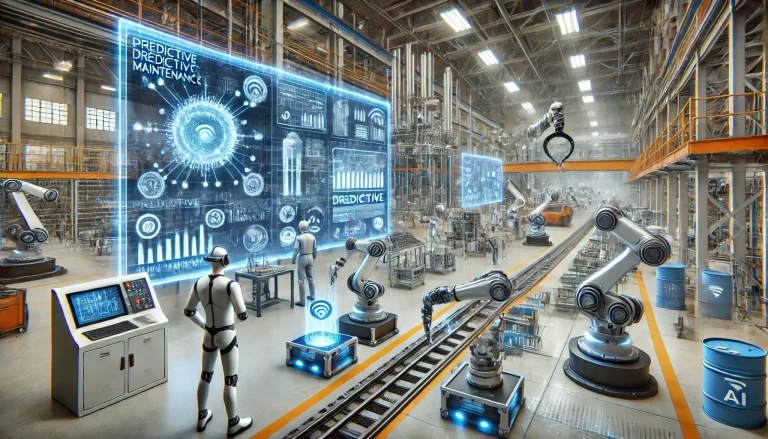
Integrating Quality Control with Warehouse Management Systems
A critical factor in maximizing the value of quality control technology is seamless integration with warehouse management systems (WMS). When quality data flows directly into the WMS, organizations gain a holistic view of operations, enabling faster response to issues and better resource allocation.
For example, if a batch of products fails inspection, the WMS can automatically trigger a hold or rework process, update inventory status, and alert relevant personnel. This level of automation reduces manual intervention and ensures that only compliant goods move forward in the supply chain.
Companies interested in next-level monitoring can benefit from solutions like next generation quality monitoring systems, which offer advanced analytics and predictive capabilities.
Real-Time Quality Control: The Future of Logistics
As logistics networks become more complex, the need for real-time quality control is growing. Immediate feedback on product quality allows organizations to address problems before they escalate, reducing costly delays and customer dissatisfaction.
According to industry experts, implementing real-time quality control in your supply chain can significantly improve responsiveness and overall operational efficiency.
Emerging technologies such as AI-powered anomaly detection, IoT-enabled sensors, and cloud-based analytics platforms are making it easier than ever to monitor quality continuously. These tools not only detect issues but also help predict potential risks, allowing for proactive intervention.
Best Practices for Implementing Quality Control in Warehousing
To maximize the impact of quality control initiatives, logistics leaders should follow these best practices:
- Assess current processes: Identify pain points and areas where errors or defects most frequently occur.
- Select the right technology: Choose systems that align with your warehouse size, product types, and throughput requirements.
- Train staff: Ensure employees understand how to use new inspection tools and interpret quality data.
- Integrate with existing systems: Connect quality control platforms with your WMS and other enterprise software for seamless data flow.
- Monitor and improve: Use analytics to track performance, identify trends, and drive continuous improvement.
For those monitoring production variability, leveraging variance detection in manufacturing can help spot deviations early and maintain high standards.
Frequently Asked Questions
What are the main challenges in implementing warehouse quality control systems?
Common challenges include integrating new technology with legacy systems, training staff to use automated inspection tools, and ensuring data accuracy across platforms. It’s important to plan for change management and ongoing support to achieve a smooth transition.
How does automation improve quality control in logistics?
Automation reduces the risk of human error, increases inspection speed, and provides consistent, objective results. Automated systems can also collect and analyze large volumes of data, enabling more informed decisions and faster response to quality issues.
Can small and medium-sized warehouses benefit from quality control technology?
Absolutely. Scalable solutions are available for warehouses of all sizes. Even basic automated inspection and data tracking can lead to significant improvements in accuracy, efficiency, and customer satisfaction.
Conclusion
Adopting warehouse quality control systems is a strategic move for any logistics operation aiming to enhance reliability, efficiency, and customer trust. By leveraging automation, real-time analytics, and seamless integration with warehouse management platforms, organizations can minimize errors, reduce costs, and adapt quickly to changing demands. As the logistics landscape continues to evolve, investing in smart quality control will remain a key driver of success.