
Manufacturing leaders are under constant pressure to boost productivity, reduce costs, and maintain high quality. As factories become more digitized, real time production analytics has emerged as a critical tool for achieving these goals. By capturing and analyzing operational data as it happens, companies can identify bottlenecks, respond to issues instantly, and drive continuous improvement across the plant floor.
This guide explores how live data insights are transforming manufacturing operations. We’ll discuss the core benefits, key features, and practical steps for implementing these solutions. You’ll also find links to related resources, including end to end quality visibility systems that complement analytics platforms for a holistic approach to plant optimization.
Why Live Data Insights Matter for Manufacturing
Traditional manufacturing relied on periodic reports and manual checks. This approach often led to delayed responses to problems, missed opportunities for optimization, and increased waste. In contrast, real time production analytics delivers immediate visibility into every stage of the process, from raw material input to finished goods.
With up-to-the-minute dashboards and alerts, plant managers and operators can:
- Detect anomalies as soon as they occur, preventing costly downtime or defects.
- Monitor key performance indicators (KPIs) like cycle time, yield, and machine utilization in real time.
- Optimize resource allocation by identifying underperforming equipment or labor imbalances.
- Enable proactive maintenance by spotting early warning signs of equipment failure.
- Drive continuous improvement with data-driven insights for process refinement.
For organizations aiming to stay competitive, the shift from reactive to proactive operations is no longer optional—it’s essential.
Core Components of Real-Time Production Analytics Solutions
Effective analytics platforms combine several technologies to deliver actionable insights. The most impactful solutions typically include:
- Data Acquisition: Sensors, PLCs, and IoT devices collect data from machines, conveyors, and workstations.
- Data Integration: Middleware and connectors aggregate information from diverse sources, including ERP and MES systems.
- Analytics Engine: Algorithms process data streams to identify trends, outliers, and root causes.
- Visualization Tools: Customizable dashboards and reports make complex data accessible to all stakeholders.
- Alerting and Notifications: Automated messages prompt immediate action when thresholds are breached.
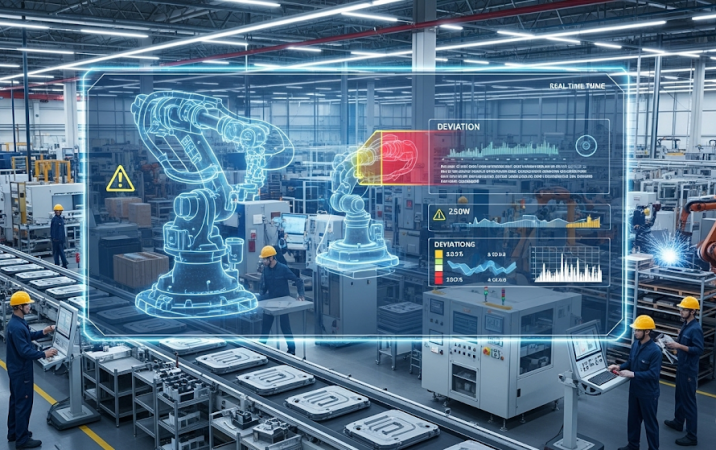
These components work together to create a feedback loop that empowers teams to act quickly and confidently. For organizations looking to expand their toolkit, integrating advanced manufacturing quality analytics can further enhance decision-making and quality control.
Key Benefits of Implementing Live Production Monitoring
Adopting a real-time approach to manufacturing data unlocks several advantages:
- Increased Uptime: By detecting and resolving issues immediately, plants can minimize unplanned downtime and keep production running smoothly.
- Higher Product Quality: Instant feedback on process deviations allows for rapid corrections, reducing scrap and rework.
- Improved Efficiency: Continuous monitoring highlights inefficiencies, enabling targeted process improvements and better resource utilization.
- Faster Decision-Making: Real-time dashboards provide actionable information, empowering teams to make informed choices on the fly.
- Cost Savings: Early detection of problems lowers maintenance expenses, reduces waste, and optimizes inventory levels.
For a deeper dive into how these systems support operational excellence, explore next generation quality monitoring systems that leverage similar data-driven principles.
How to Get Started with Real-Time Analytics in Your Plant
Transitioning to a live analytics environment requires careful planning and a clear understanding of your operational needs. Here are practical steps to begin:
- Define Objectives: Identify the specific goals you want to achieve, such as reducing downtime, improving yield, or enhancing traceability.
- Assess Data Sources: Take inventory of existing sensors, machines, and software systems. Determine what data is available and where gaps exist.
- Select the Right Platform: Choose a solution that integrates seamlessly with your current infrastructure and supports your analytics requirements.
- Start Small: Pilot the system in one area or production line before scaling up. Use early results to refine your approach.
- Train Your Team: Ensure operators, engineers, and managers understand how to interpret and act on real-time data.
- Iterate and Improve: Use feedback and analytics insights to continuously enhance your processes and expand the system’s reach.

For those focused on maintaining process stability, integrating quality drift detection systems can help spot subtle shifts before they impact output.
Best Practices for Maximizing the Value of Live Data
To fully leverage the power of real time production analytics, consider these best practices:
- Standardize Data Collection: Ensure consistency in how data is gathered and labeled across all equipment and lines.
- Focus on Actionable Metrics: Prioritize KPIs that directly impact your business objectives and can drive meaningful change.
- Automate Alerts: Set up automated notifications for critical thresholds to enable immediate intervention.
- Promote Collaboration: Make dashboards accessible to all relevant teams, fostering a culture of transparency and shared responsibility.
- Continuously Review and Refine: Regularly assess the effectiveness of your analytics and adjust as your operations evolve.
For manufacturers interested in early detection of process anomalies, solutions like variance detection in manufacturing can complement your analytics strategy.
Integrating Quality and Production Analytics for Greater Impact
While live production monitoring delivers immediate operational benefits, its impact is amplified when combined with quality management tools. By linking process data with quality outcomes, manufacturers can trace defects to their source, optimize corrective actions, and accelerate root cause analysis.
For example, integrating real time production analytics with advanced manufacturing quality analytics enables a closed-loop approach to continuous improvement. This synergy not only reduces waste but also strengthens compliance and customer satisfaction.
To learn more about the broader landscape of live monitoring, visit this comprehensive overview of real-time monitoring in manufacturing.
FAQ: Real-Time Analytics in Manufacturing
What types of data are typically monitored in real-time production environments?
Commonly tracked data includes machine status, cycle times, temperature, pressure, throughput, downtime events, and quality metrics. By capturing this information as it happens, manufacturers can respond quickly to deviations and maintain optimal performance.
How does real-time analytics help reduce production costs?
Live monitoring enables early detection of equipment issues, process inefficiencies, and quality problems. By addressing these issues immediately, plants can minimize scrap, reduce unplanned downtime, and optimize resource usage, all of which contribute to lower operational costs.
Is it difficult to implement real-time analytics in an existing factory?
While implementation requires planning and investment, many modern analytics platforms are designed to integrate with legacy equipment and software. Starting with a pilot project and scaling gradually can help organizations manage complexity and demonstrate quick wins.