

Product lifecycle quality monitoring has become a cornerstone for manufacturers and brands seeking to deliver consistent excellence from the earliest design stages to the final customer experience. As products move through development, production, distribution, and after-sales support, maintaining high standards is essential for reputation, compliance, and profitability. This article explores how organizations can implement robust quality oversight throughout every phase, leveraging modern tools and strategies to minimize risk and maximize value.
For organizations operating at scale, integrating enterprise quality management systems early in the process can provide the foundation for comprehensive oversight. These systems enable teams to track, analyze, and respond to quality data across global operations, ensuring that monitoring is not just a one-time event but a continuous, adaptive process.
Understanding the Stages of Lifecycle Oversight
Effective quality assurance spans multiple phases, each with its own challenges and opportunities. By breaking down the journey, organizations can tailor their monitoring strategies to address the unique risks and requirements at every step.
- Design and Development: Early detection of potential issues is crucial. Teams use digital simulations, prototyping, and risk analysis to identify flaws before production begins.
- Manufacturing: Real-time data collection and process control help maintain consistency and catch deviations as they occur.
- Distribution and Logistics: Monitoring extends to packaging, shipping, and storage, ensuring products reach customers in optimal condition.
- After-Sales and End-of-Life: Feedback loops, warranty claims, and recycling processes provide insights for continuous improvement.
Modern product lifecycle quality monitoring solutions integrate these stages, creating a seamless flow of information that supports proactive decision-making.
Key Technologies Powering Quality Management
The evolution of quality oversight has been shaped by advances in digital technology. Today’s organizations rely on a combination of hardware and software to capture, analyze, and act on quality data in real time.
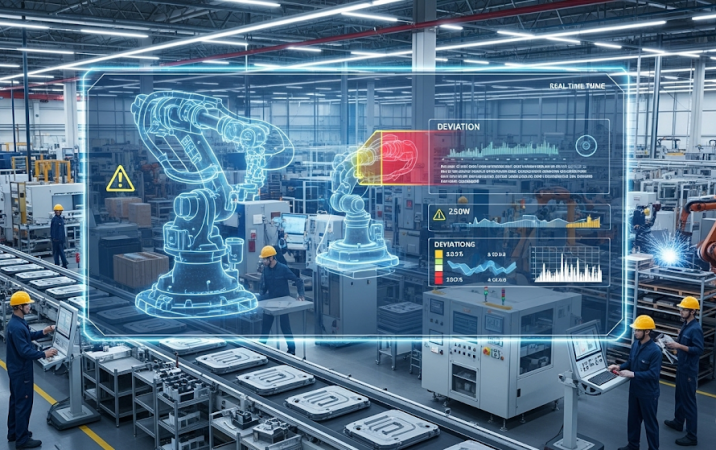
Digital Twins and Simulation
Digital twins allow manufacturers to create virtual models of products and processes, enabling predictive analysis and early detection of design flaws. By simulating real-world conditions, teams can optimize quality before a single product is built.
Automated Inspection and IoT Sensors
On the factory floor, automated inspection systems and embedded sensors continuously monitor critical parameters. These technologies provide instant feedback, allowing for immediate corrections and reducing the risk of defects reaching customers.

Advanced Analytics and Real-Time Dashboards
Sophisticated analytics platforms aggregate data from across the lifecycle, providing actionable insights through real-time dashboards. These tools help teams spot trends, identify root causes, and prioritize corrective actions. For a deeper dive into how analytics can empower smarter teams, explore advanced manufacturing quality analytics solutions.
Implementing End-to-End Quality Visibility
Achieving comprehensive oversight requires more than just technology. It demands a culture of accountability, clear processes, and cross-functional collaboration. Here are some practical steps to ensure quality is monitored from start to finish:
- Define Clear Quality Standards: Establish measurable criteria for every stage, from design to delivery.
- Integrate Data Sources: Connect systems across departments to create a unified view of quality performance.
- Enable Real-Time Alerts: Set up automated notifications for deviations or anomalies, allowing for rapid response.
- Foster Continuous Improvement: Use feedback from after-sales and field data to refine processes and prevent recurrence of issues.
For organizations looking to enhance transparency, end to end quality visibility systems offer a holistic approach, bridging gaps between teams and ensuring that no aspect of quality is overlooked.
Benefits of Comprehensive Quality Monitoring Across the Lifecycle
Investing in robust monitoring delivers tangible advantages for manufacturers and brands:
- Reduced Defects and Recalls: Early detection and rapid response lower the risk of costly recalls and reputational damage.
- Regulatory Compliance: Automated record-keeping and traceability simplify audits and help meet industry standards.
- Customer Satisfaction: Consistent quality leads to higher customer trust and loyalty.
- Operational Efficiency: Data-driven insights support leaner processes and smarter resource allocation.
By embedding product lifecycle quality monitoring into every phase, organizations can turn quality from a reactive function into a strategic advantage.
Challenges and Solutions in Lifecycle Quality Oversight
While the benefits are clear, implementing a seamless monitoring framework is not without obstacles. Common challenges include data silos, legacy systems, and resistance to change. Overcoming these hurdles requires a combination of technology, training, and leadership commitment.
- Breaking Down Silos: Encourage collaboration between engineering, manufacturing, and customer service teams to share data and insights.
- Upgrading Legacy Systems: Gradually integrate modern tools with existing infrastructure to minimize disruption.
- Building a Quality-First Culture: Provide ongoing education and recognize teams for proactive quality improvements.
For those seeking the latest solutions, next generation quality monitoring systems are designed to address these challenges with scalable, flexible architectures.
Real-Time Monitoring and Future Trends
The future of quality oversight is increasingly real-time and data-driven. As artificial intelligence, machine learning, and cloud connectivity mature, organizations can expect even greater predictive capabilities and automation. According to real-time monitoring best practices, continuous data collection and instant analysis are becoming standard in leading industries.
Emerging trends include:
- Predictive Maintenance: Using sensor data to anticipate equipment failures before they disrupt production.
- Variance Detection: Leveraging advanced algorithms to spot outliers and prevent quality drift. For more, see variance detection in manufacturing.
- Cloud-Based Collaboration: Sharing quality data securely across global teams for faster decision-making.
Staying ahead of these trends will be key for organizations aiming to maintain a competitive edge in quality and efficiency.
Frequently Asked Questions
What is the main goal of monitoring quality across the product lifecycle?
The primary objective is to ensure that products consistently meet or exceed defined standards from design through end-of-life. This reduces defects, improves customer satisfaction, and supports regulatory compliance.
How does real-time data improve quality management?
Real-time data enables teams to detect and address issues as they arise, minimizing the risk of defects reaching customers and allowing for continuous process improvement.
Can small and medium businesses benefit from lifecycle quality oversight?
Absolutely. While large enterprises may have more resources, scalable digital tools and cloud-based solutions make comprehensive quality monitoring accessible to organizations of all sizes.