
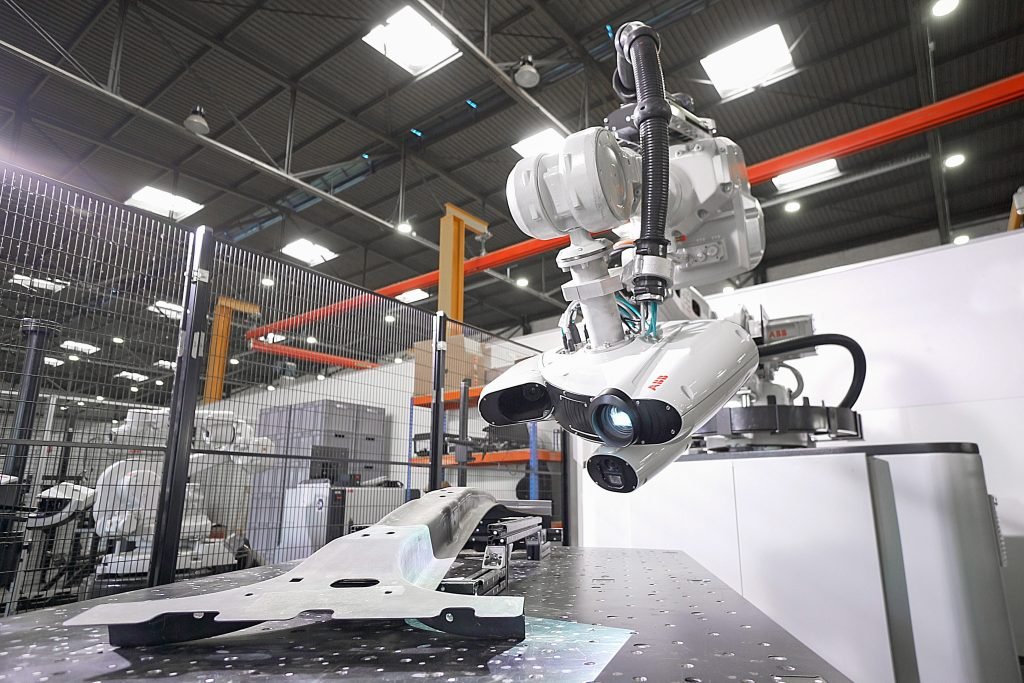
Modern manufacturing and production environments face relentless pressure to deliver consistent, high-quality results. As product complexity increases and customer expectations rise, organizations are turning to self correcting production systems to minimize errors, reduce waste, and achieve near-perfect output. These advanced systems use real-time data, automation, and intelligent feedback loops to identify and resolve issues before they escalate, ensuring that quality is maintained throughout the production process.
The adoption of these automated correction technologies is transforming industries by enabling continuous improvement and operational excellence. In this article, we’ll explore how these systems work, the technologies behind them, and the tangible benefits they offer. For organizations seeking comprehensive solutions, integrating enterprise quality management systems can further enhance oversight and coordination across global operations.
Understanding Automated Correction in Manufacturing
At its core, a self correcting production system is designed to detect deviations from desired outcomes and automatically adjust processes to bring output back within specification. Unlike traditional quality control, which often relies on post-production inspection, these systems operate in real time, using sensors, machine learning, and advanced analytics to monitor every stage of production.
Key components of these systems include:
- Real-time monitoring of process variables and product quality
- Automated feedback loops that trigger corrective actions
- Integration with manufacturing execution systems (MES) and quality management platforms
- Predictive analytics to anticipate potential failures before they occur
By embedding intelligence directly into the production line, manufacturers can respond instantly to anomalies, reducing the risk of defects and costly rework.
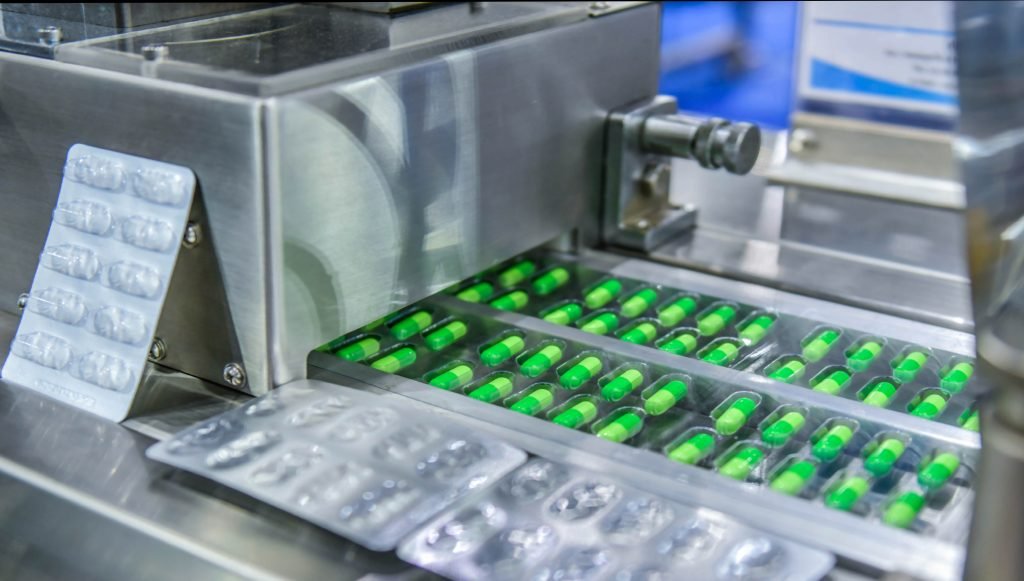
Key Technologies Powering Self-Correcting Processes
The effectiveness of automated correction depends on a combination of advanced technologies working seamlessly together. Some of the most important enablers include:
- Industrial IoT Sensors: These devices collect high-frequency data on temperature, pressure, vibration, and other critical parameters, providing the raw input needed for real-time analysis.
- Machine Learning Algorithms: By analyzing historical and live data, machine learning models can identify patterns that precede defects and recommend or enact corrective measures.
- Automated Control Systems: Programmable logic controllers (PLCs) and robotic actuators can make precise adjustments to machinery, ensuring that processes stay within defined tolerances.
- Quality Analytics Platforms: Centralized dashboards and analytics tools help teams visualize trends, track performance, and implement continuous improvement initiatives. Solutions like advanced manufacturing quality analytics provide actionable insights for smarter decision-making.
The integration of these technologies enables a closed-loop system where data flows freely, and corrective actions are implemented without human intervention, leading to more reliable and efficient operations.
Benefits of Implementing Self-Correcting Production Systems
Organizations that invest in these intelligent systems can expect a range of significant advantages:
- Reduced Defects and Waste: By catching issues early, fewer defective products reach the end of the line, minimizing scrap and rework costs.
- Consistent Product Quality: Automated corrections ensure that every unit meets strict quality standards, enhancing brand reputation and customer satisfaction.
- Increased Throughput: With fewer stoppages for manual inspection or repairs, production lines can operate at higher speeds and efficiency.
- Lower Operational Costs: Automation reduces the need for manual oversight and intervention, freeing up skilled workers for higher-value tasks.
- Regulatory Compliance: Real-time documentation and traceability make it easier to meet industry standards and pass audits.
These benefits combine to create a more agile, competitive, and resilient manufacturing operation.
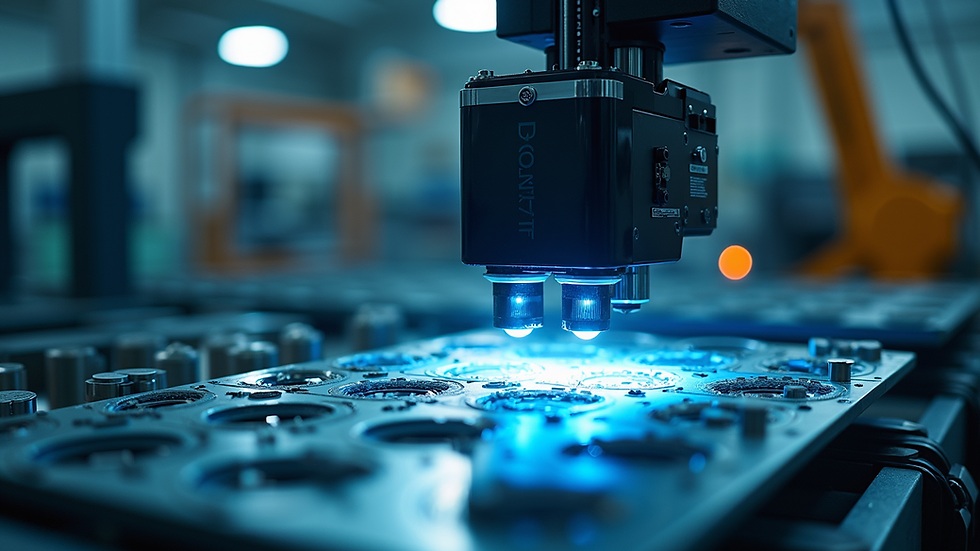
Real-Time Monitoring and Feedback Loops
A defining feature of self correcting production systems is their ability to monitor processes in real time and implement feedback-driven corrections. This is achieved through a network of sensors and control systems that continuously collect data and compare it against predefined benchmarks.
When a deviation is detected—such as a temperature spike or a dimensional variance—the system can automatically adjust machine settings, alert operators, or even halt production if necessary. This proactive approach prevents minor issues from becoming major problems and ensures that quality is maintained at every stage.
For a deeper understanding of how these feedback mechanisms work, resources on real-time monitoring in industrial environments provide valuable insights into best practices and implementation strategies.
Integration with Broader Quality Management Initiatives
While automated correction is powerful on its own, its impact is magnified when integrated with broader quality management and visibility systems. By connecting self-correcting processes with tools for end to end quality visibility systems, manufacturers gain a holistic view of performance across the entire value chain.
This integration enables:
- Faster root cause analysis and problem resolution
- Coordinated corrective actions across departments and sites
- Comprehensive reporting and compliance documentation
- Continuous improvement through data-driven insights
By leveraging both automated correction and enterprise-wide quality management, organizations can achieve a level of consistency and reliability that manual processes simply cannot match.
Challenges and Considerations for Implementation
Despite the clear advantages, deploying these advanced systems is not without challenges. Common hurdles include:
- Data Integration: Bringing together data from legacy equipment, new sensors, and disparate software platforms can be complex and time-consuming.
- Change Management: Employees may be resistant to new technologies or fear job displacement. Clear communication and training are essential.
- Initial Investment: Upfront costs for sensors, automation, and analytics platforms can be significant, though the long-term ROI is often compelling.
- Cybersecurity: As production systems become more connected, protecting sensitive data and ensuring system integrity is critical.
To overcome these obstacles, organizations should start with pilot projects, involve cross-functional teams, and prioritize scalable solutions that can grow with their needs. Tools for variance detection in manufacturing can also help identify where automated correction will have the greatest impact.
Future Trends in Automated Production Correction
The evolution of self correcting production systems is closely tied to advances in artificial intelligence, edge computing, and connectivity. Emerging trends include:
- AI-Driven Predictive Maintenance: Systems that not only correct errors but also anticipate equipment failures and schedule maintenance proactively.
- Edge Analytics: Processing data closer to the source for faster response times and reduced network congestion.
- Interoperability Standards: Industry-wide protocols that make it easier to integrate new devices and platforms.
- Greater Customization: Solutions tailored to specific industries, products, or regulatory requirements.
As these trends mature, manufacturers will be able to achieve even higher levels of quality, efficiency, and adaptability.
FAQ
What industries benefit most from automated correction in production?
Industries with high-volume, high-precision requirements—such as automotive, electronics, pharmaceuticals, and food processing—see the greatest benefits. However, any sector aiming for consistent quality and reduced waste can leverage these systems.
How do self-correcting systems differ from traditional quality control?
Traditional quality control often relies on periodic inspections and manual interventions, which can miss defects or catch them too late. Self-correcting systems operate continuously, using real-time data and automated feedback to prevent issues before they result in defective products.
Is it possible to retrofit existing production lines with automated correction?
Yes, many solutions are designed to integrate with legacy equipment through add-on sensors, controllers, and software platforms. While some customization may be required, retrofitting is a common approach for organizations seeking to modernize without a full equipment overhaul.