
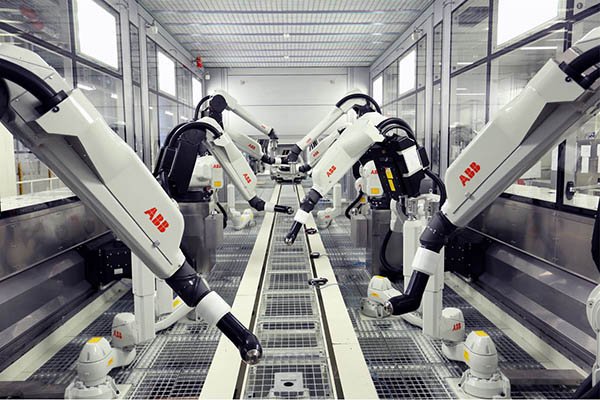
In today’s fast-paced manufacturing and production environments, maintaining high quality is essential for business success. Even minor defects can lead to costly recalls, customer dissatisfaction, and wasted resources. This is where early warning systems for defects play a pivotal role. By detecting issues before they escalate, these solutions help organizations safeguard their output, reduce downtime, and maintain a competitive edge.
Modern quality management is no longer just about inspecting finished goods. Proactive detection and real-time monitoring are now at the heart of effective quality assurance. Leveraging advanced analytics, automation, and integrated platforms, businesses can spot anomalies early and take corrective action before defects impact the bottom line.
For organizations seeking to implement robust quality processes, adopting enterprise quality management systems can provide the necessary infrastructure for scalable and reliable defect detection. These systems integrate seamlessly with early warning solutions, ensuring data-driven decisions and continuous improvement.
Understanding Proactive Defect Detection
Traditional quality control often relies on periodic inspections or end-of-line testing. While these methods can catch some issues, they are reactive and may miss defects that develop between checks. In contrast, proactive defect detection uses real-time data and intelligent algorithms to identify potential problems as soon as they arise.
Key components of these systems include:
- Continuous monitoring of production lines and equipment
- Automated alerts when data deviates from expected norms
- Integration with manufacturing execution systems (MES) and quality management platforms
- Root cause analysis tools to quickly identify and address sources of defects
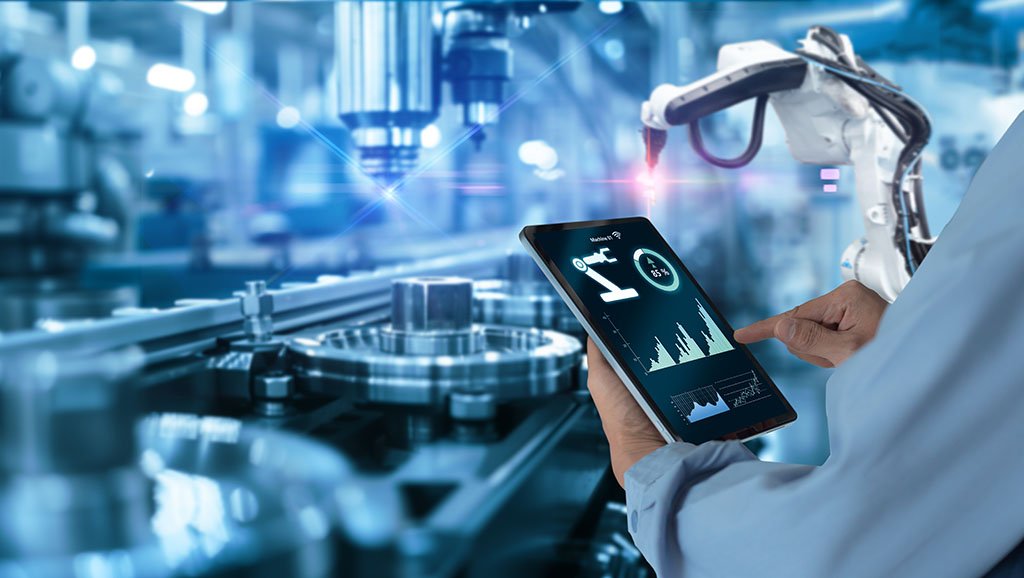
By shifting from a reactive to a proactive approach, manufacturers can minimize waste, improve product consistency, and respond quickly to emerging issues.
Key Benefits of Implementing Early Warning Solutions
Deploying early warning systems for defects brings a range of advantages to organizations across industries. Some of the most significant benefits include:
- Reduced scrap and rework: Catching defects early prevents faulty products from advancing through the production process, saving materials and labor.
- Improved customer satisfaction: Delivering consistently high-quality products builds trust and loyalty among customers.
- Lower recall risk: Early detection minimizes the likelihood of defective products reaching the market, reducing the chance of costly recalls.
- Increased operational efficiency: Automated alerts and real-time data empower teams to act swiftly, reducing downtime and bottlenecks.
- Data-driven decision making: Access to comprehensive quality data supports continuous improvement initiatives and strategic planning.
These benefits are especially critical in highly regulated sectors such as automotive, aerospace, pharmaceuticals, and food production, where even minor defects can have serious consequences.
Core Technologies Behind Modern Defect Prevention
The effectiveness of today’s defect prevention systems is driven by a combination of advanced technologies. Some of the most impactful include:
Machine Vision and Automated Inspection
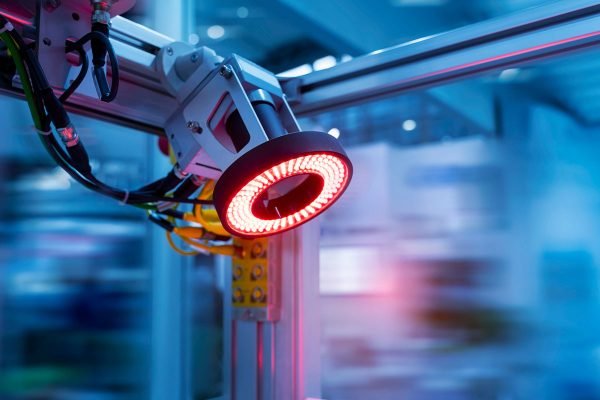
Machine vision uses high-resolution cameras and image processing algorithms to inspect products at high speed. These systems can detect surface flaws, dimensional inaccuracies, and assembly errors that might be missed by human inspectors.
Real-Time Data Analytics
By collecting and analyzing data from sensors, machines, and production lines, analytics platforms can identify patterns and trends that signal emerging defects. These insights enable predictive maintenance, process optimization, and targeted interventions.
Integrated Quality Platforms
Modern manufacturing environments benefit from end to end quality visibility systems that connect quality data across the entire value chain. This integration ensures that information flows seamlessly from the shop floor to management, supporting rapid response and informed decision-making.
Best Practices for Deploying Defect Monitoring Solutions
To maximize the impact of early warning systems for defects, organizations should follow several best practices:
- Define clear quality metrics: Establish measurable standards for product quality and process performance.
- Integrate with existing systems: Ensure that early warning tools connect with MES, ERP, and quality management platforms for a unified view.
- Train staff on new technologies: Equip teams with the skills to interpret alerts, investigate root causes, and implement corrective actions.
- Continuously review and refine: Regularly assess system performance and update algorithms to adapt to changing production needs.
- Leverage advanced analytics: Use tools like advanced manufacturing quality analytics to uncover deeper insights and drive ongoing improvement.
Following these guidelines helps organizations create a culture of quality and continuous improvement, reducing the risk of defects and enhancing overall performance.
Challenges and Considerations in Quality Monitoring
While the advantages of defect monitoring solutions are clear, there are also challenges to consider:
- Data overload: Collecting large volumes of data can be overwhelming without effective filtering and analysis tools.
- Integration complexity: Connecting new systems with legacy equipment and software may require significant effort and investment.
- Change management: Shifting to a proactive quality culture can face resistance from staff accustomed to traditional methods.
- Cost considerations: Upfront investment in technology and training may be substantial, though often offset by long-term savings.
Addressing these challenges requires careful planning, stakeholder engagement, and a commitment to ongoing learning and adaptation.
Industry Examples and Use Cases
Many leading manufacturers have successfully implemented early warning systems for defects to transform their quality processes. For example, automotive plants use machine vision to inspect welds and paint finishes in real time, while pharmaceutical companies monitor batch quality with automated sensors and analytics.
Food and beverage producers rely on real-time quality control to ensure safety and compliance, as highlighted in this in-depth look at real-time quality control in supply chains. These solutions not only prevent defective products from reaching consumers but also support traceability and regulatory compliance.
For organizations looking to spot anomalies even earlier, solutions like variance detection in manufacturing can identify subtle shifts in process parameters before they result in defects, enabling truly predictive quality management.
Frequently Asked Questions
How do early warning systems for defects differ from traditional quality control?
Traditional quality control often relies on periodic inspections or end-of-line testing, which can miss defects that develop between checks. Early warning solutions use real-time data, automation, and analytics to detect issues as soon as they arise, allowing for immediate corrective action and minimizing the impact on production.
What industries benefit most from proactive defect detection?
Industries with high regulatory requirements or where product quality is critical—such as automotive, aerospace, pharmaceuticals, and food production—see the greatest benefits. However, any organization seeking to reduce waste, improve efficiency, and enhance customer satisfaction can gain value from these systems.
What are the main challenges in implementing these systems?
Common challenges include integrating new technologies with existing infrastructure, managing large volumes of data, ensuring staff are trained to use new tools, and justifying the initial investment. Careful planning and a focus on change management can help overcome these obstacles.
Conclusion
Adopting early warning systems for defects is a strategic move for any organization committed to quality and operational excellence. By leveraging real-time monitoring, automation, and advanced analytics, businesses can detect and address issues before they escalate, protecting both their output and their reputation. As technology continues to evolve, proactive defect detection will become an essential component of modern manufacturing and production environments.