

In modern manufacturing, the ability to trace every material, component, and finished product is no longer a luxury—it’s a necessity. Lot tracking quality systems provide manufacturers with the tools to monitor, record, and analyze the journey of every batch or lot through the production process. This level of oversight is crucial for ensuring product quality, maintaining compliance, and responding quickly to any issues that arise.
As supply chains become more complex and customer expectations rise, manufacturers need robust solutions that offer not just traceability but also real-time insights. Implementing a comprehensive tracking solution can help companies identify inefficiencies, reduce recalls, and build trust with customers and regulatory bodies alike. For organizations operating at scale, integrating these systems with enterprise quality management systems creates a unified approach to quality and compliance.
Understanding Lot Tracking in Manufacturing
At its core, lot tracking refers to the process of assigning unique identifiers to batches of raw materials, components, or finished goods. This enables manufacturers to follow each lot as it moves through the supply chain and production floor. By capturing data at every stage, companies can quickly pinpoint the source of defects, verify compliance, and streamline recalls if necessary.
Lot tracking quality systems are designed to automate and centralize this process. They collect data from various sources—such as barcode scanners, RFID tags, and production equipment—and store it in a centralized database. This creates a digital thread that links every step, from supplier delivery to final shipment.
Key Features of Lot Tracking Quality Systems
Modern tracking solutions offer a range of features that go beyond simple batch identification. Here are some of the most important capabilities:
- Real-time data capture: Automated data collection ensures that every transaction is recorded accurately and instantly.
- Comprehensive traceability: Track materials, components, and finished products across multiple production lines and facilities.
- Quality control integration: Link inspection results, test data, and nonconformance reports directly to specific lots.
- Recall management: Quickly identify and isolate affected lots in the event of a quality issue or regulatory recall.
- Regulatory compliance: Maintain detailed records to meet industry standards and government requirements.
- Analytics and reporting: Generate actionable insights to drive continuous improvement and operational efficiency.
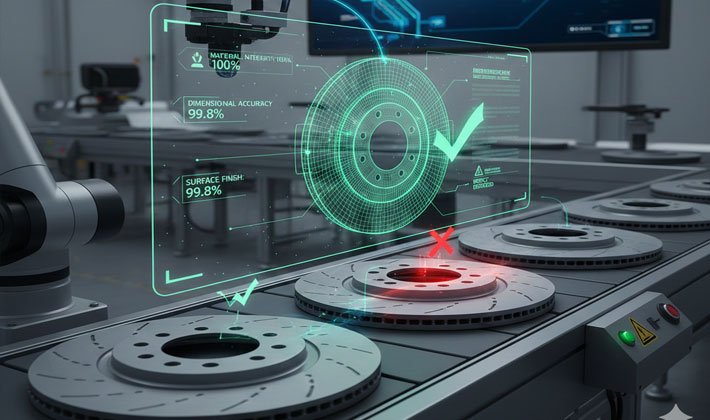
Benefits of Enhanced Visibility Through Lot Tracking
Implementing a robust tracking solution delivers significant advantages for manufacturers of all sizes. Some of the most notable benefits include:
- Faster root cause analysis: When a defect is detected, teams can trace it back to the exact batch, supplier, or process step, minimizing downtime and waste.
- Improved customer trust: Transparent tracking builds confidence with customers, especially in industries where safety and quality are paramount.
- Reduced risk of recalls: By isolating only the affected lots, companies can avoid costly, broad recalls and protect their brand reputation.
- Streamlined audits and compliance: Detailed digital records simplify audits and demonstrate adherence to industry regulations.
- Optimized inventory management: Real-time tracking helps prevent overstocking, shortages, and expired inventory.
For organizations seeking even broader oversight, integrating lot tracking with end to end quality visibility systems can provide a holistic view of quality across the entire value chain.
How Lot Tracking Supports Quality Control Initiatives
Quality assurance is at the heart of any successful manufacturing operation. By linking quality data directly to specific lots, manufacturers can identify trends, detect recurring issues, and implement corrective actions more effectively. This approach not only improves product quality but also reduces the risk of nonconformances slipping through the cracks.
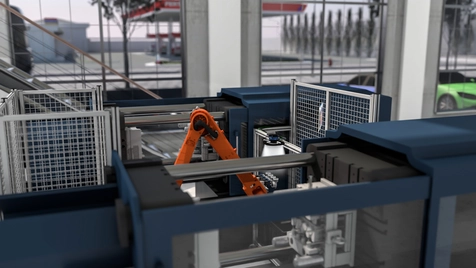
Some advanced solutions also integrate with advanced manufacturing quality analytics, enabling teams to monitor process performance, detect anomalies, and predict potential issues before they impact production.
Best Practices for Implementing Lot Tracking Quality Systems
To maximize the value of a tracking solution, manufacturers should follow these best practices:
- Define clear objectives: Identify the key goals for your tracking initiative, such as improving traceability, reducing recalls, or enhancing compliance.
- Standardize data collection: Ensure that all facilities and teams use consistent methods for recording lot information.
- Integrate with existing systems: Connect your tracking platform with ERP, MES, and quality management tools for seamless data flow.
- Train staff: Provide comprehensive training to ensure that employees understand how to use the system effectively.
- Monitor and optimize: Regularly review system performance and make adjustments to address evolving business needs.
Manufacturers should also consider leveraging next generation quality monitoring systems to further enhance their ability to detect and respond to quality issues in real time.
Continuous Monitoring and Compliance
Continuous monitoring is essential for maintaining high standards and meeting regulatory requirements. By automating data collection and analysis, lot tracking solutions help manufacturers identify deviations and take corrective action before they escalate. This proactive approach not only ensures compliance but also supports ongoing improvement initiatives.
For more information on how continuous monitoring strengthens compliance and risk management, see this resource on continuous monitoring for quality and compliance.
Challenges and Considerations
While the benefits are clear, implementing a comprehensive tracking solution can present challenges. Common obstacles include integrating with legacy systems, managing large volumes of data, and ensuring data accuracy across multiple sites. Manufacturers should work closely with technology partners to address these challenges and develop a roadmap for successful deployment.
Additionally, companies should prioritize data security and privacy, especially when handling sensitive supplier or customer information. Regular audits and robust access controls can help mitigate risks and maintain trust.
Frequently Asked Questions
What industries benefit most from lot tracking quality systems?
Industries with strict regulatory requirements or high product liability—such as food and beverage, pharmaceuticals, automotive, and electronics—gain the most from implementing robust tracking solutions. However, any manufacturer seeking improved traceability and quality control can benefit.
How does lot tracking help with product recalls?
By providing detailed records of every batch, tracking systems enable companies to quickly identify and isolate affected products. This targeted approach reduces the scope and cost of recalls, protects brand reputation, and ensures regulatory compliance.
Can lot tracking systems integrate with other manufacturing software?
Yes, most modern solutions are designed to integrate with ERP, MES, and quality management platforms. This integration streamlines data flow, reduces manual entry, and provides a unified view of operations and quality metrics.
Conclusion
In today’s competitive manufacturing landscape, visibility and traceability are essential for maintaining quality, compliance, and customer trust. Lot tracking quality systems offer a proven way to achieve these goals by providing real-time oversight and actionable insights across the entire production process. By adopting best practices and integrating with broader quality management solutions, manufacturers can position themselves for long-term success and resilience.