
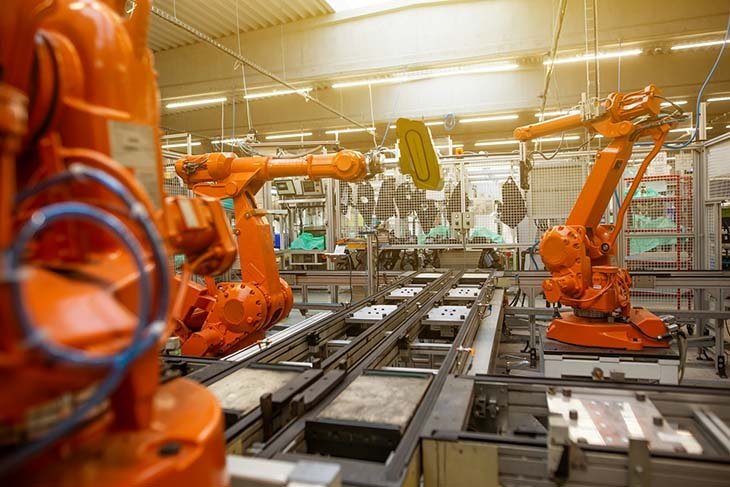
ISO quality monitoring systems have become a cornerstone for organizations aiming to achieve and maintain internationally recognized standards. These systems are designed to streamline compliance, improve product consistency, and reduce the risks associated with quality failures. By integrating such solutions, businesses can not only meet regulatory requirements but also foster a culture of continuous improvement.
For companies operating at scale, leveraging enterprise quality management systems can further enhance visibility and control across global operations. Early adoption of robust monitoring tools ensures that quality objectives are met efficiently, minimizing costly errors and delays.
Understanding ISO Quality Monitoring Systems
At their core, ISO quality monitoring systems are structured frameworks that help organizations align their processes with the requirements set by the International Organization for Standardization (ISO). These frameworks typically include policies, procedures, and digital tools that enable real-time tracking, documentation, and analysis of quality-related activities.
The most widely adopted standard is ISO 9001, which outlines the criteria for a quality management system (QMS). However, there are many other ISO standards tailored to specific industries, such as ISO 13485 for medical devices or ISO/TS 16949 for automotive manufacturing. Regardless of the sector, the goal remains the same: to ensure consistent delivery of products and services that meet customer and regulatory expectations.
Key Benefits of Implementing a Quality Monitoring Framework
Adopting a comprehensive monitoring solution brings several advantages:
- Regulatory Compliance: Ensures that all processes meet the latest ISO requirements and industry regulations.
- Risk Reduction: Identifies potential issues before they escalate, minimizing product recalls and non-conformities.
- Process Optimization: Provides data-driven insights to enhance efficiency and reduce waste.
- Customer Satisfaction: Consistently delivers high-quality products, building trust and loyalty.
- Continuous Improvement: Facilitates ongoing evaluation and refinement of processes.
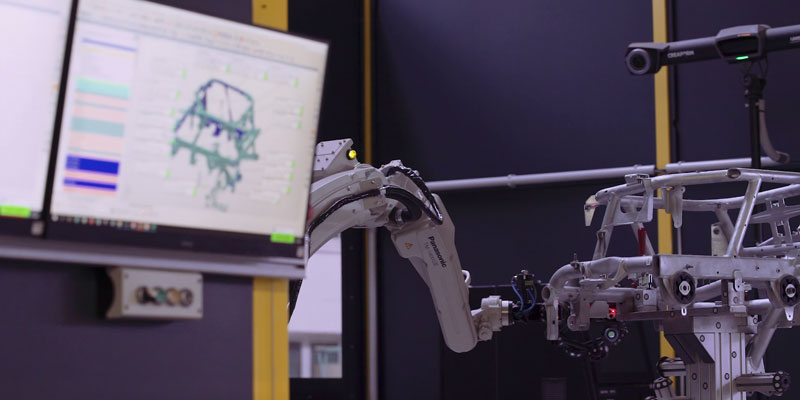
Core Components of Modern Monitoring Solutions
Today’s ISO quality monitoring systems are more than just checklists and manual audits. They often incorporate advanced technologies and structured methodologies, including:
- Automated Data Collection: Sensors and IoT devices gather real-time information from production lines, reducing human error.
- Centralized Documentation: Digital platforms store and organize records, making audits and reporting more efficient.
- Analytics and Reporting: Built-in analytics tools help identify trends, root causes, and areas for improvement.
- Corrective and Preventive Actions (CAPA): Integrated workflows ensure that issues are addressed promptly and systematically.
- Training and Competency Tracking: Ensures that staff remain up-to-date with the latest procedures and standards.
For organizations seeking to enhance their quality oversight, exploring next generation quality monitoring systems can provide additional capabilities like AI-driven insights and predictive analytics.
How to Choose the Right ISO Monitoring Solution
Selecting the best system for your organization depends on several factors:
- Industry Requirements: Ensure the solution supports the specific ISO standards relevant to your sector.
- Scalability: The platform should accommodate future growth and evolving compliance needs.
- Integration: Seamless compatibility with existing ERP, MES, or other business systems is crucial for data consistency.
- User Experience: Intuitive interfaces and clear workflows help drive user adoption and reduce training time.
- Support and Updates: Ongoing vendor support and regular updates ensure continued alignment with regulatory changes.
Evaluating these aspects will help you implement a solution that not only meets current requirements but also adapts to future challenges.

Integrating Real-Time Monitoring for Proactive Quality Control
One of the most significant advancements in the field is the adoption of real-time monitoring. By leveraging connected devices and cloud-based platforms, manufacturers and service providers can detect deviations instantly and respond before issues impact customers. This proactive approach not only reduces downtime but also boosts overall productivity.
For a deeper dive into how real-time monitoring can reduce downtime and increase output, consider reading this detailed guide on real-time monitoring for operational efficiency.
Organizations that implement real-time solutions often see measurable improvements in defect rates, customer satisfaction, and regulatory compliance. These benefits are amplified when combined with advanced analytics and automated alerting systems.
Best Practices for Maintaining ISO Compliance
Achieving certification is only the first step. Ongoing compliance requires diligence and a commitment to continuous improvement. Here are some best practices:
- Regular Audits: Schedule internal and external audits to verify adherence to standards.
- Document Control: Keep all policies, procedures, and records up to date and easily accessible.
- Employee Training: Provide ongoing education to ensure all staff understand their roles in quality management.
- Management Review: Leadership should regularly review performance data and set improvement goals.
- Leverage Technology: Use digital tools to automate repetitive tasks and gain deeper insights into process performance.
For brands seeking a holistic approach, solutions like end to end quality visibility systems can provide a unified view of quality across the entire value chain.
Common Challenges and How to Overcome Them
While the benefits are clear, implementing and maintaining a robust monitoring framework is not without challenges:
- Change Management: Employees may resist new processes or technologies. Clear communication and training are essential.
- Data Overload: Too much information can overwhelm teams. Focus on actionable metrics and automate reporting where possible.
- Resource Constraints: Smaller organizations may struggle with the costs of implementation. Start with critical areas and scale gradually.
- Keeping Up with Standards: ISO requirements evolve. Assign responsibility for monitoring updates and adjusting procedures as needed.
Utilizing advanced tools, such as advanced manufacturing quality analytics, can help organizations prioritize improvements and maximize the impact of their quality initiatives.
FAQ
What is the main purpose of ISO quality monitoring systems?
The primary goal is to ensure that organizations consistently meet international quality standards, reduce risks, and enhance customer satisfaction through structured processes and continuous improvement.
How do these systems support regulatory compliance?
They provide frameworks for documenting, tracking, and analyzing quality-related activities, making it easier to demonstrate compliance during audits and respond quickly to regulatory changes.
Can small businesses benefit from implementing such systems?
Absolutely. Even smaller organizations can gain significant advantages, including improved process efficiency, reduced errors, and easier access to new markets that require ISO certification.
Are there industry-specific ISO standards?
Yes, in addition to ISO 9001, there are standards tailored to sectors like medical devices (ISO 13485), automotive (ISO/TS 16949), and more, each with unique requirements.
How often should internal audits be conducted?
Internal audits should be scheduled regularly—at least annually, but more frequently for high-risk processes or when significant changes occur.