
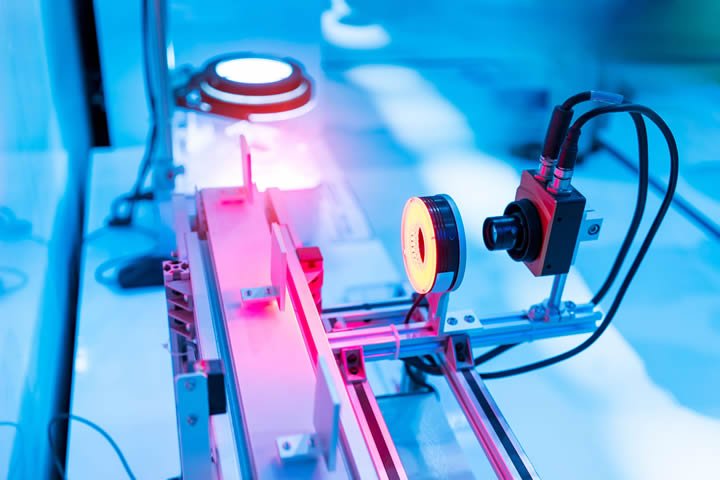
The manufacturing and production landscape is changing rapidly, driven by the need for higher efficiency, reduced errors, and consistent product quality. Autonomous quality control systems are at the heart of this transformation, leveraging advanced technologies to automate inspection, detect defects, and ensure standards are met without constant human oversight. These solutions are reshaping quality assurance (QA) processes across industries, from automotive and electronics to food and pharmaceuticals.
As businesses strive to remain competitive, the adoption of intelligent, automated QA platforms is accelerating. These systems combine machine vision, artificial intelligence, and real-time analytics to deliver faster, more accurate, and scalable quality checks. Before exploring the core technologies and benefits, it’s important to understand how these innovations fit within the broader context of modern quality management. For organizations seeking a holistic approach, integrating enterprise quality management systems can provide the foundation for scalable and data-driven QA strategies.
What Sets Automated QA Solutions Apart?
Traditional quality assurance often relies on manual inspections, random sampling, and human judgment. While effective to a degree, these methods are prone to inconsistencies, fatigue, and limited scalability. In contrast, autonomous quality control systems use a blend of sensors, cameras, and AI-driven algorithms to inspect every product or component in real time. This shift enables continuous monitoring, objective decision-making, and immediate feedback on production lines.
Key features that distinguish these systems include:
- Machine vision for high-speed, high-precision image analysis
- AI and deep learning models that adapt to new defect types
- Integration with manufacturing execution systems for seamless data flow
- Automated reporting and traceability for compliance and audits
By removing much of the subjectivity and delay from the QA process, these platforms help manufacturers catch defects earlier, reduce waste, and maintain strict quality standards.

Core Technologies Powering Next-Gen Quality Control
The backbone of modern automated QA lies in several interrelated technologies. Understanding these components helps clarify why these systems are so effective:
- Machine Vision Systems: High-resolution cameras and image processing software scan products at speeds and accuracy levels far beyond human capability. These systems can identify surface defects, dimensional errors, and assembly issues in milliseconds.
- Artificial Intelligence & Deep Learning: AI models are trained on vast datasets of defect images and acceptable products. Over time, these models learn to distinguish subtle differences, even as product designs or materials evolve.
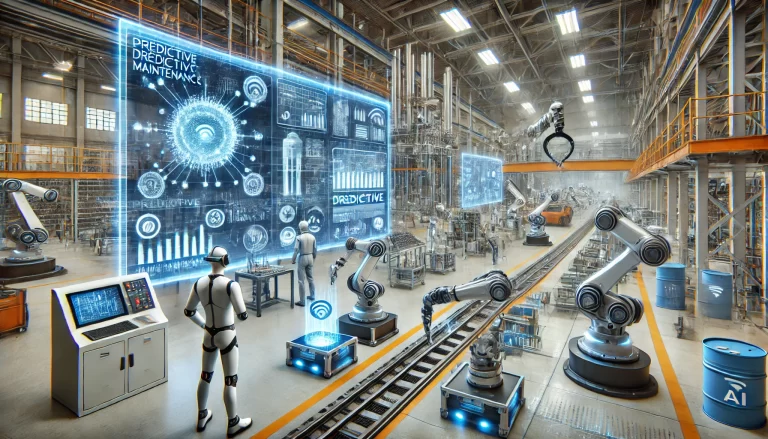
- Industrial IoT Sensors: Sensors embedded throughout the production line collect data on temperature, pressure, vibration, and more. This information feeds into the QA system, enabling predictive maintenance and early detection of process deviations.
- Real-Time Analytics: Data from cameras and sensors is processed instantly, allowing for immediate corrective actions. This minimizes downtime and prevents defective products from reaching customers.
These technologies work together to create a closed-loop system where quality is monitored, analyzed, and improved continuously.
Benefits of Implementing Autonomous Quality Control Systems
Manufacturers and brands that deploy automated QA solutions experience a range of advantages, including:
- Consistency and Objectivity: Automated inspections eliminate human bias and variability, ensuring every product is evaluated against the same criteria.
- Speed and Scalability: High-speed cameras and real-time analytics enable inspection of every unit, even in high-volume environments.
- Cost Reduction: Early defect detection reduces scrap, rework, and warranty claims, while also lowering labor costs associated with manual inspection.
- Traceability and Compliance: Automated systems generate detailed records for each inspection, supporting regulatory compliance and customer audits.
- Continuous Improvement: Data collected by these platforms can be analyzed to identify trends, root causes, and opportunities for process optimization.
For organizations looking to further enhance their quality initiatives, integrating end to end quality visibility systems can provide a holistic view across the supply chain.
Challenges and Considerations When Adopting Automated QA
While the advantages are compelling, transitioning to autonomous inspection platforms is not without hurdles. Some of the most common challenges include:
- Upfront Investment: The initial cost of hardware, software, and integration can be significant, especially for small and medium-sized enterprises.
- Data Quality and Training: AI models require large, high-quality datasets to train effectively. Inconsistent or limited data can reduce accuracy.
- Change Management: Employees may need to adapt to new workflows and develop new skills to work alongside automated systems.
- Integration Complexity: Connecting autonomous QA platforms with existing manufacturing and IT infrastructure can be technically demanding.
Despite these obstacles, the long-term benefits often outweigh the initial challenges. Many companies find that the transition pays off through improved product quality, greater efficiency, and enhanced customer satisfaction.
Industry Applications and Real-World Impact
Autonomous inspection and QA solutions are being deployed across a wide range of industries. Some notable applications include:
- Automotive: Detecting paint defects, assembly errors, and dimensional inaccuracies on production lines.
- Electronics: Inspecting printed circuit boards (PCBs) for soldering faults, component placement, and micro-cracks.
- Food & Beverage: Ensuring packaging integrity, labeling accuracy, and contamination detection.
- Pharmaceuticals: Verifying tablet shape, color, and packaging to meet regulatory standards.
In each of these sectors, automated QA not only improves product reliability but also supports compliance with stringent industry regulations. For a deeper dive into how analytics are driving smarter teams, see advanced manufacturing quality analytics.
Real-Time Quality Control and the Future of Manufacturing
The ability to monitor and respond to quality issues as they happen is a game-changer for manufacturers. Real-time QA platforms allow for immediate intervention, reducing the risk of defective products reaching customers. As highlighted in the importance of real-time quality control in your supply chain, these capabilities are essential for maintaining brand reputation and operational efficiency.
Looking ahead, the integration of autonomous QA with other smart factory technologies—such as robotics, digital twins, and predictive analytics—will further enhance manufacturing agility and resilience. Companies that embrace these innovations are better positioned to adapt to market changes, regulatory demands, and rising customer expectations.
Best Practices for Successful Implementation
To maximize the value of automated quality control, organizations should consider the following best practices:
- Start with a Pilot Project: Test the system on a single line or product to validate performance and identify integration challenges.
- Invest in Data Quality: Collect and label defect data thoroughly to train AI models for high accuracy.
- Engage Cross-Functional Teams: Involve QA, IT, operations, and production staff early to ensure smooth adoption and buy-in.
- Plan for Scalability: Choose solutions that can expand across multiple lines, plants, or product types as needs evolve.
- Monitor and Optimize: Use analytics to track system performance, identify bottlenecks, and drive continuous improvement.
For those interested in the latest developments, exploring next generation quality monitoring systems can provide insights into emerging trends and capabilities.
FAQ
How do autonomous quality control systems differ from traditional QA methods?
Unlike manual inspections, automated QA platforms use machine vision and AI to inspect every product in real time. This ensures greater consistency, faster detection of defects, and the ability to scale across high-volume production lines.
What industries benefit most from automated QA?
Sectors with high production volumes and strict quality requirements—such as automotive, electronics, food and beverage, and pharmaceuticals—see the greatest benefits. However, any industry seeking to improve efficiency and reduce errors can leverage these technologies.
Can automated QA platforms adapt to new products or defect types?
Yes. Modern systems use AI and deep learning, allowing them to learn from new data and adapt to changes in product design or manufacturing processes. This flexibility makes them suitable for dynamic production environments.