
In modern manufacturing, the demand for rapid production and flawless quality is higher than ever. As industries push for greater efficiency, the need to detect defects and maintain product standards in real time has become critical. Inline quality inspection systems have emerged as a cornerstone technology, enabling manufacturers to monitor, analyze, and control quality directly on high-speed production lines. These automated solutions help minimize waste, reduce costs, and ensure products meet stringent requirements without slowing down operations.
For organizations seeking to optimize their processes, integrating advanced inspection technology is no longer optional—it’s a competitive necessity. Leveraging these systems allows businesses to catch issues early, maintain consistency, and deliver reliable products to market faster. To further enhance operational oversight, many manufacturers are also adopting enterprise quality management systems that provide end-to-end visibility and analytics across the entire production lifecycle.
The Role of Automated Inspection in Modern Manufacturing
As production speeds increase, manual inspection methods struggle to keep up. Automated solutions are designed to operate seamlessly at high throughput rates, using sensors, cameras, and artificial intelligence to identify defects, measure dimensions, and verify product attributes in real time. This approach not only boosts accuracy but also ensures that every item is checked without interrupting the flow of production.
Key benefits of automated inspection include:
- Consistent quality control across all units produced
- Immediate detection and rejection of defective products
- Reduction in human error and subjectivity
- Comprehensive data collection for process improvement
By integrating these tools, manufacturers can respond quickly to process deviations and maintain high standards even as output scales up.
How Inline Quality Inspection Systems Work
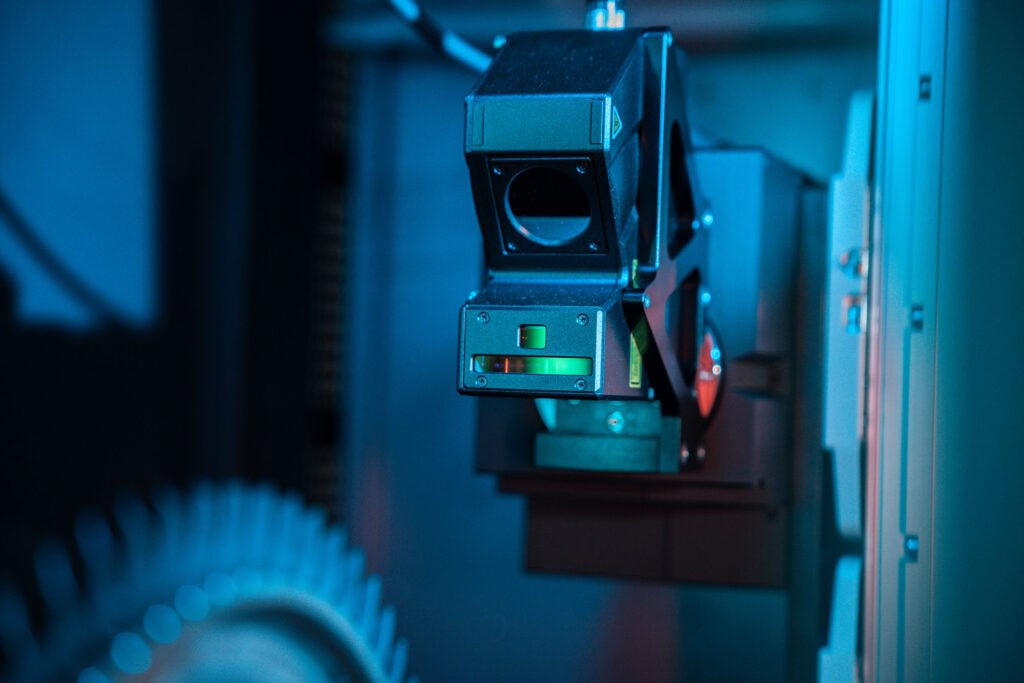
Inline quality inspection systems are typically installed directly on the production line, where they continuously monitor products as they move through various stages. These systems use a combination of high-resolution cameras, laser sensors, and advanced software algorithms to capture and analyze data at high speeds.

The core components of these systems include:
- Imaging devices that capture detailed visuals of each product
- Lighting systems to ensure consistent image quality regardless of ambient conditions
- Processing units equipped with AI or machine learning algorithms for defect detection
- Integration modules that communicate results to line controllers or enterprise software
When a defect or anomaly is detected, the system can trigger alarms, remove faulty items, or adjust upstream processes automatically. This real-time feedback loop is essential for maintaining quality at scale.
Key Features for High-Speed Production Environments
Production lines operating at high speeds present unique challenges for inspection technology. Solutions designed for these environments must deliver rapid, reliable results without causing bottlenecks or downtime. Some critical features include:
- High frame-rate cameras capable of capturing clear images at fast conveyor speeds
- Low-latency data processing to ensure immediate response to defects
- Robust hardware that withstands harsh industrial conditions
- Scalable architecture for easy adaptation to changing line configurations
Advanced systems may also offer predictive analytics, helping teams identify patterns and prevent issues before they escalate. For organizations looking to further enhance their quality assurance, integrating advanced manufacturing quality analytics can provide deeper insights and drive smarter decision-making.
Integrating Inspection with Broader Quality Management
While inline inspection is vital, true operational excellence comes from connecting these systems with broader quality management platforms. By sharing data with end to end quality visibility systems, manufacturers gain a holistic view of their processes, from raw materials to finished goods.
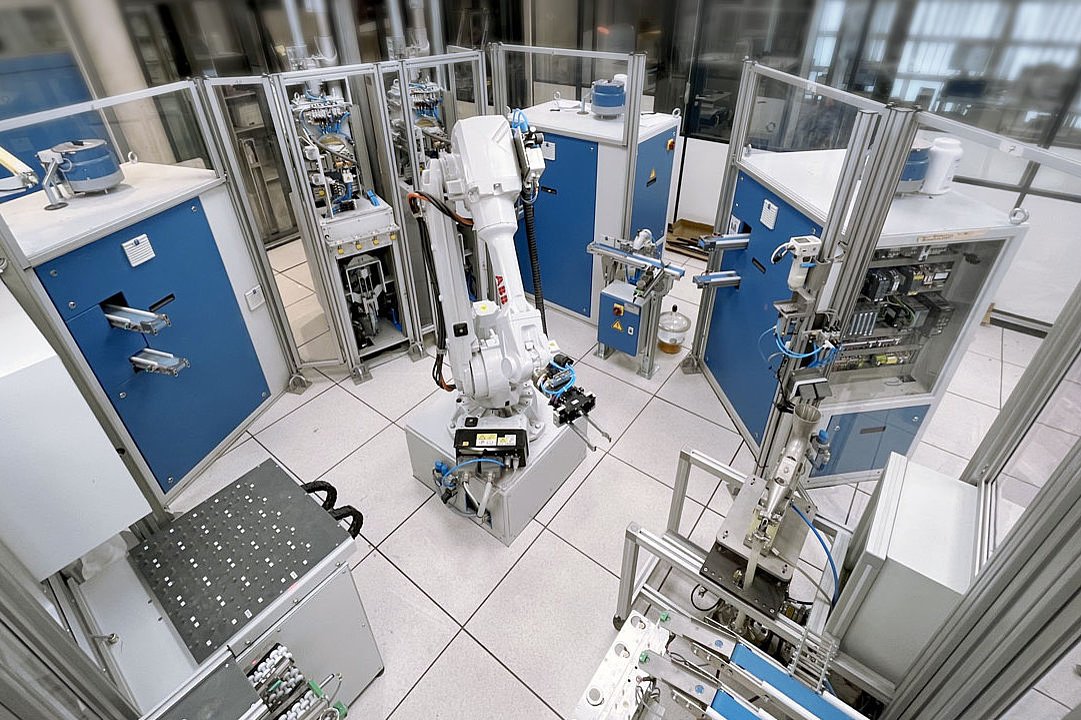
This integration enables:
- Real-time monitoring of quality metrics across all production stages
- Faster root-cause analysis and corrective action
- Continuous improvement through data-driven insights
- Regulatory compliance and traceability
Connecting inline inspection with enterprise systems ensures that quality is not managed in isolation but as part of a coordinated, organization-wide effort.
Continuous Monitoring and Data Utilization
One of the most significant advantages of modern inspection technology is the ability to implement continuous monitoring throughout the manufacturing process. This approach enables teams to track trends, identify emerging issues, and optimize processes proactively.
Collected data can be used for:
- Identifying process drift or equipment wear before it leads to defects
- Supporting predictive maintenance strategies
- Training machine learning models for even more accurate defect detection
- Documenting compliance with industry standards
By leveraging the full potential of real-time data, manufacturers can move from reactive to proactive quality management, reducing costs and improving customer satisfaction.
Challenges and Considerations for Implementation
While the benefits are clear, deploying inline inspection on high-speed lines requires careful planning. Some challenges to address include:
- Ensuring compatibility with existing equipment and workflows
- Managing the volume and complexity of inspection data
- Training staff to interpret and act on inspection results
- Balancing sensitivity (catching all defects) with false positive rates
Selecting the right solution involves evaluating production requirements, product characteristics, and integration needs. Consulting with technology providers and leveraging industry best practices can help ensure a smooth transition and maximize return on investment.
Future Trends in Inline Inspection Technology
The field of automated inspection is evolving rapidly. Emerging trends include the use of deep learning for more nuanced defect recognition, cloud-based analytics for centralized data management, and the integration of inspection data with variance detection in manufacturing systems to spot process anomalies early.
As these technologies mature, manufacturers can expect even greater accuracy, flexibility, and value from their inspection investments. Staying informed about the latest developments will be key to maintaining a competitive edge.
FAQ
What types of defects can inline quality inspection systems detect?
These systems are capable of identifying a wide range of issues, including surface scratches, dimensional inaccuracies, color inconsistencies, missing components, and assembly errors. Advanced solutions can be tailored to specific product requirements and can detect even subtle deviations from quality standards.
How do automated inspection systems handle high-speed production lines?
Modern inspection platforms use high-speed cameras, optimized lighting, and rapid data processing to keep up with fast-moving products. They are designed to operate without slowing down the line, ensuring that every item is inspected thoroughly and efficiently.
Can inline inspection data be integrated with other quality management tools?
Yes, most advanced systems offer integration capabilities with broader quality management and analytics platforms. This allows manufacturers to centralize data, perform comprehensive analysis, and drive continuous improvement across all production areas.