
Manufacturers and operations leaders are under constant pressure to improve efficiency, minimize defects, and cut costs. As competition intensifies and customer expectations rise, reducing waste is no longer just a cost-saving measure—it’s a necessity for survival and growth. Process quality optimization tools have emerged as essential solutions for organizations looking to streamline workflows, enhance product quality, and accelerate continuous improvement.
These digital and analytical solutions help identify bottlenecks, monitor production in real time, and provide actionable insights to address inefficiencies. By leveraging the right set of tools, companies can quickly pinpoint sources of waste, implement corrective actions, and sustain long-term gains in productivity and quality.
For organizations operating at scale, integrating enterprise quality management systems can further amplify the benefits of process optimization by centralizing data and standardizing quality practices across multiple sites.
Understanding Process Quality Optimization Tools
Process quality optimization tools encompass a wide range of software, hardware, and methodologies designed to monitor, analyze, and improve production processes. These solutions can include statistical process control (SPC) software, automated inspection systems, real-time monitoring platforms, and advanced analytics dashboards.
The primary goal of these tools is to provide visibility into every stage of manufacturing or service delivery, enabling teams to detect deviations, predict failures, and implement preventive measures before issues escalate. By doing so, organizations can reduce rework, scrap, downtime, and other forms of waste that erode profitability.
Key Benefits of Quality Optimization Solutions
Adopting digital tools for process quality management delivers measurable improvements across several dimensions:
- Waste Reduction: By identifying root causes of defects and inefficiencies, teams can eliminate unnecessary steps, reduce material usage, and minimize scrap.
- Faster Problem Resolution: Real-time alerts and automated analytics enable rapid response to process deviations, preventing small issues from becoming costly problems.
- Consistent Product Quality: Automated inspection and monitoring ensure that every product meets specifications, reducing variability and customer complaints.
- Data-Driven Decision Making: Centralized dashboards and reporting tools provide actionable insights, empowering leaders to make informed improvements.
- Compliance and Traceability: Digital records support regulatory compliance and make it easier to trace issues back to their source.
Types of Process Quality Optimization Tools
There is a broad spectrum of solutions available, each suited to specific production environments and challenges. Here are some of the most impactful categories:
Statistical Process Control (SPC) Software
SPC tools collect and analyze process data in real time, using control charts and statistical methods to detect trends and outliers. These solutions help teams maintain process stability and quickly identify when corrective action is needed.
Automated Inspection and Measurement Systems
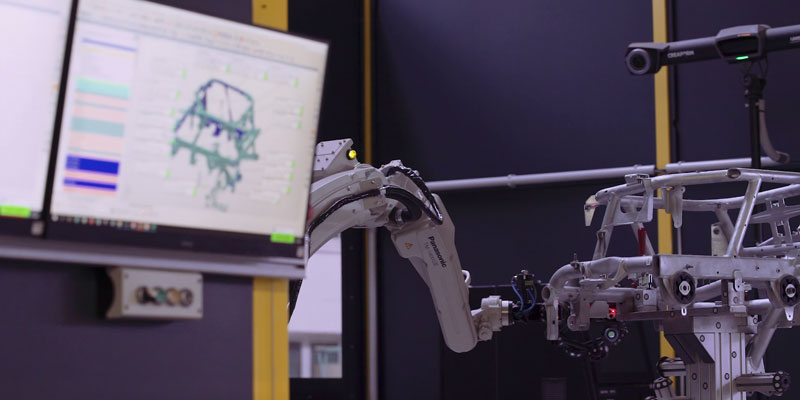
Automated quality control systems use cameras, sensors, and 3D measurement technologies to inspect products at high speed and with high accuracy. These systems can detect surface defects, dimensional errors, and assembly issues that manual inspection might miss.
Real-Time Monitoring Platforms
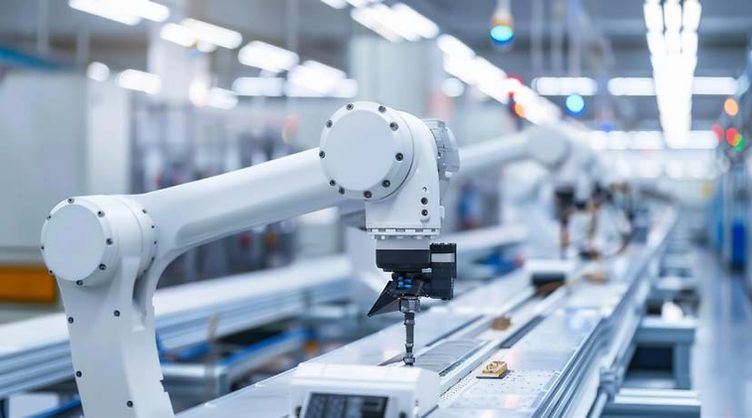
These platforms connect to machines and sensors on the shop floor, providing live data on equipment status, throughput, and quality metrics. Real-time monitoring helps teams spot emerging issues and optimize production schedules for maximum efficiency. For a deeper look at how these systems can drive improvements, see this guide to real-time monitoring for reducing downtime and boosting output.
Advanced Analytics and AI-Driven Solutions
Modern optimization tools increasingly leverage machine learning and artificial intelligence to predict failures, recommend process adjustments, and uncover hidden patterns in production data. These solutions can proactively suggest improvements that human operators might overlook.
Implementing Optimization Tools for Maximum Impact
Selecting and deploying the right set of tools requires a clear understanding of your process challenges and business goals. Here are some best practices for successful implementation:
- Assess Current Processes: Map out workflows and identify pain points where waste or quality issues most frequently occur.
- Start with High-Impact Areas: Focus initial efforts on bottlenecks or steps with the highest defect rates to achieve quick wins.
- Integrate with Existing Systems: Ensure that new tools can communicate with your current MES, ERP, or quality management platforms for seamless data flow.
- Train Teams Effectively: Provide hands-on training so operators and engineers can fully leverage new technologies.
- Monitor and Iterate: Continuously review performance metrics and refine processes based on data-driven insights.
For organizations seeking even greater visibility, implementing end to end quality visibility systems can provide a holistic view of quality across the entire value chain, from suppliers to finished goods.
Overcoming Common Challenges in Process Optimization
While the benefits are clear, some organizations encounter obstacles when adopting new quality optimization solutions. Common challenges include:
- Data Silos: Disconnected systems can limit the effectiveness of analytics and slow down problem-solving.
- Change Management: Resistance from staff or lack of training can hinder adoption of new tools.
- Integration Complexity: Legacy equipment and software may require custom interfaces or middleware for seamless operation.
- Cost Concerns: Upfront investment in technology can be a barrier, but the long-term savings from waste reduction often outweigh initial costs.
To address these challenges, it is crucial to involve stakeholders early, communicate the value of optimization, and select scalable solutions that can grow with your business.
How to Choose the Right Optimization Solution
With so many options available, selecting the right process quality tools depends on your unique needs. Consider the following factors:
- Process Complexity: Highly automated or regulated industries may require advanced analytics and compliance features.
- Scalability: Choose solutions that can expand as your production volume or complexity increases.
- Ease of Use: User-friendly interfaces and clear reporting are essential for widespread adoption.
- Vendor Support: Reliable technical support and regular updates ensure long-term value.
- Integration Capabilities: Look for tools that can connect with your existing quality management and analytics platforms, such as advanced manufacturing quality analytics systems.
Frequently Asked Questions
What are the main benefits of using process quality optimization tools?
These solutions help organizations reduce waste, improve product consistency, and respond quickly to process deviations. By providing real-time data and actionable insights, they enable teams to make informed decisions and sustain continuous improvement.
How do automated inspection systems contribute to waste reduction?
Automated inspection technologies catch defects early in the production process, preventing defective products from reaching later stages or customers. This reduces rework, scrap, and warranty claims, saving both time and resources.
Can these tools be integrated with existing manufacturing systems?
Yes, most modern optimization solutions are designed to integrate with MES, ERP, and other quality management platforms. This ensures seamless data flow and maximizes the value of your existing technology investments.
Conclusion
Adopting process quality optimization tools is a proven strategy for organizations seeking to minimize waste and enhance operational performance. By leveraging real-time monitoring, automated inspection, and advanced analytics, businesses can achieve faster problem resolution, higher product quality, and lasting competitive advantage. As manufacturing environments become more complex, continuous investment in the right digital solutions will be key to sustaining improvement and meeting the demands of modern markets.