
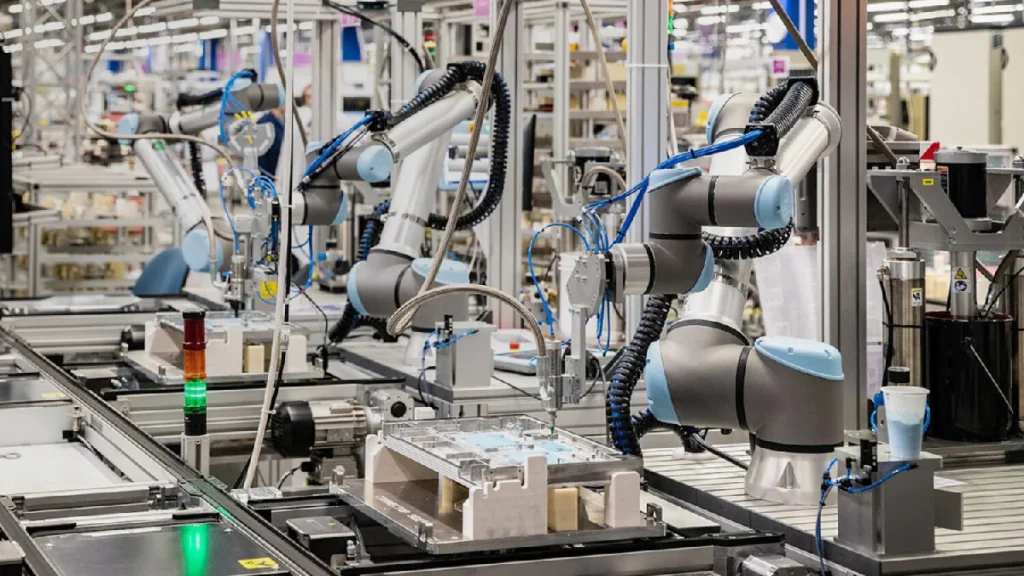
Reducing waste in manufacturing is a top priority for factories aiming to boost efficiency, lower costs, and meet sustainability goals. Implementing quality control inspection methods is one of the most effective ways to achieve these objectives. By catching defects early, minimizing rework, and ensuring products meet specifications, these strategies help manufacturers avoid unnecessary material loss and operational inefficiencies.
Modern factories are moving beyond traditional inspection routines to embrace advanced technologies and data-driven approaches. These innovations not only improve accuracy but also enable real-time decision-making, resulting in less waste and higher product quality. For organizations operating at scale, integrating robust systems—such as enterprise quality management systems—lays the foundation for continuous improvement and sustainable operations.
Why Inspection Matters for Reducing Factory Waste
Waste in manufacturing can take many forms: defective products, excess materials, unnecessary energy use, and time lost to rework. Each instance of waste represents lost value and increased costs. Inspection methods are designed to detect issues at the earliest possible stage, preventing defective items from moving further down the line and compounding losses.
By integrating inspection at critical points in the production process, factories can:
- Identify and correct defects before they escalate
- Reduce the volume of scrap and rework
- Ensure compliance with quality standards
- Optimize resource usage and lower operational costs
The result is a leaner, more agile operation that delivers consistent quality while minimizing environmental impact.
Key Quality Control Inspection Methods in Modern Manufacturing
A variety of quality control inspection methods are used across industries, each suited to different products, processes, and risk profiles. Here are some of the most impactful approaches for reducing waste:
Visual Inspection: The First Line of Defense
Visual checks remain a staple in many factories. Operators or inspectors examine products for surface defects, incorrect assembly, or obvious deviations from standards. While manual inspection is cost-effective and flexible, it can be prone to human error, especially in high-volume or repetitive environments.

To enhance reliability, many manufacturers now supplement manual checks with automated visual systems, such as machine vision, which can detect subtle flaws at high speed and with greater consistency.
Automated and Machine Vision Inspection
Machine vision systems use cameras and software algorithms to inspect products in real time. These systems can identify defects invisible to the human eye, measure dimensions, and verify assembly accuracy. Automated inspection is especially valuable for high-speed production lines, where manual checks would be impractical or insufficient.
By integrating machine vision, factories can:
- Catch defects instantly and trigger corrective actions
- Reduce reliance on manual labor for repetitive tasks
- Collect data for process improvement and traceability
This technology is a cornerstone of quality control for smart factories, enabling continuous monitoring and rapid response to quality issues.
Statistical Process Control (SPC)
SPC involves collecting and analyzing data from production processes to detect trends, variations, or anomalies. By monitoring key parameters—such as temperature, pressure, or dimensions—factories can identify when a process is drifting out of control and intervene before defects occur.
SPC charts and control limits help teams make data-driven decisions, reducing the risk of producing out-of-spec products and minimizing waste caused by process instability.
In-Process and End-of-Line Testing
In-process inspection checks products at various stages of assembly or fabrication, while end-of-line testing verifies that finished goods meet all requirements before shipment. Both methods are crucial for catching issues early and preventing defective items from reaching customers.

Combining in-process and final inspections creates a safety net that significantly reduces the likelihood of costly recalls or customer complaints.
Leveraging Data and Analytics for Waste Reduction
Modern inspection is increasingly data-driven. By capturing inspection results and process data, manufacturers can uncover patterns, identify root causes of waste, and implement targeted improvements. Advanced analytics platforms, such as advanced manufacturing quality analytics, enable teams to move from reactive to proactive quality management.
Key benefits of a data-centric approach include:
- Early detection of process drift or equipment issues
- Continuous improvement through trend analysis
- Faster root cause analysis and corrective action
- Improved traceability and compliance documentation
For a deeper look at how real-time monitoring enhances production efficiency and reduces waste, see this overview of real-time production monitoring benefits.
Integrating Inspection with End-to-End Quality Systems
To maximize the impact of inspection methods, leading manufacturers are integrating them into comprehensive quality management architectures. These systems connect inspection data with other business processes, providing a unified view of quality across the organization.
Solutions like end to end quality visibility systems and next generation quality monitoring systems enable seamless information flow, automated alerts, and real-time dashboards. This integration supports faster decision-making, better resource allocation, and more effective waste reduction strategies.
Best Practices for Effective Inspection and Waste Reduction
Implementing inspection methods that truly cut waste requires more than just technology. Consider these best practices:
- Define clear quality standards for every product and process step.
- Train staff on inspection techniques and the importance of quality.
- Automate where possible to increase speed and accuracy.
- Use data to drive continuous improvement and root cause analysis.
- Integrate inspection with broader quality management systems for end-to-end visibility.
- Regularly review and update inspection protocols to reflect new risks and technologies.
By following these guidelines, factories can create a culture of quality that minimizes waste and maximizes value.
FAQ: Quality Inspection and Waste Reduction
What is the most effective inspection method for reducing factory waste?
The most effective method depends on the product and process, but combining automated inspection (such as machine vision) with statistical process control and in-process checks provides robust coverage. This multi-layered approach catches defects early and prevents waste from accumulating.
How does real-time data improve inspection outcomes?
Real-time data allows manufacturers to detect issues as soon as they arise, enabling immediate corrective action. This minimizes the production of defective items and reduces the need for costly rework or scrap, directly supporting waste reduction goals.
Can small factories benefit from advanced inspection systems?
Yes, even small and mid-sized manufacturers can benefit from modern inspection technologies. Scalable solutions, including machine vision and analytics platforms, are increasingly accessible and can deliver significant returns by improving quality and reducing waste at any scale.