
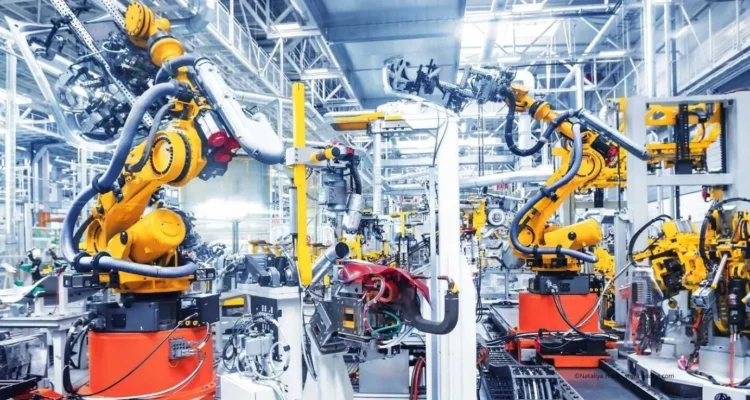
Modern manufacturing faces increasing pressure to deliver high-quality products while minimizing waste and downtime. As production lines become more complex, traditional quality control methods often struggle to keep pace with the speed and variability of today’s operations. Predictive quality monitoring systems have emerged as a powerful solution, enabling organizations to detect and address potential defects before they reach customers or disrupt workflows.
By leveraging real-time data, advanced analytics, and machine learning, these systems can identify patterns and anomalies that signal emerging quality issues. This proactive approach not only reduces the risk of costly recalls and rework but also supports continuous improvement across the entire production process. For organizations looking to scale their quality initiatives, integrating predictive tools with enterprise quality management systems can provide a unified view of performance and compliance.
Understanding Predictive Quality Monitoring in Manufacturing
Predictive quality monitoring refers to the use of data-driven techniques to anticipate and prevent defects during production. Unlike traditional inspection methods that often catch problems after they occur, predictive systems analyze data from sensors, machines, and process logs in real time. This enables early intervention, reducing the likelihood of defective products leaving the factory floor.
Key components of these solutions include:
- Data collection from equipment, environmental sensors, and operator input
- Machine learning algorithms that model normal and abnormal process behavior
- Automated alerts and dashboards for rapid response to quality deviations
- Integration with broader manufacturing execution and quality management platforms
By continuously monitoring process variables and product characteristics, predictive quality monitoring systems help teams spot subtle trends that might otherwise go unnoticed.

How Predictive Solutions Prevent Defects Early
The main advantage of predictive quality monitoring is its ability to catch issues before they escalate. By analyzing data streams in real time, these systems can flag conditions that are likely to result in defects—such as equipment drift, temperature fluctuations, or out-of-spec material properties. This early warning allows operators and engineers to take corrective action immediately, minimizing the impact on production and product quality.
For example, in a pharmaceutical facility, predictive analytics might detect a gradual increase in humidity that could compromise tablet coating quality. By alerting staff before the deviation exceeds acceptable limits, the system helps maintain compliance and avoid costly batch failures.
This proactive approach is especially valuable in industries with strict regulatory requirements or high costs associated with defects. By addressing problems at the source, manufacturers can improve yield, reduce scrap, and enhance customer satisfaction.
Key Benefits of Predictive Quality Monitoring Systems
Organizations that implement predictive quality monitoring solutions often realize a range of benefits, including:
- Reduced defect rates: Early detection means fewer nonconforming products reach customers.
- Lower operational costs: Minimizing rework, scrap, and downtime leads to significant savings.
- Improved process efficiency: Real-time insights enable faster decision-making and process optimization.
- Enhanced compliance: Automated documentation and traceability support regulatory requirements.
- Continuous improvement: Data-driven feedback loops help teams refine processes over time.
According to industry experts, manufacturers that adopt predictive quality monitoring often see a measurable return on investment within the first year, thanks to improved product consistency and fewer disruptions.

Integrating Predictive Monitoring with Broader Quality Initiatives
To maximize the value of predictive quality monitoring, organizations should consider how these systems fit within their overall quality strategy. Integration with quality control for smart factories and advanced manufacturing quality analytics platforms can provide a holistic view of performance, from raw materials to finished goods.
Seamless data sharing between predictive tools and end to end quality visibility systems allows teams to trace issues across the supply chain and identify root causes more efficiently. This unified approach supports faster problem resolution and more effective preventive measures.
For organizations seeking to stay ahead of the competition, adopting next generation quality monitoring systems can further enhance agility and responsiveness in dynamic production environments.
Real-Time Monitoring and Its Impact on Operations
A core feature of predictive quality monitoring is the ability to process and analyze data in real time. This capability enables immediate responses to deviations, reducing the lag between issue detection and corrective action. Real-time monitoring also supports adaptive control, where process parameters are automatically adjusted to maintain optimal conditions.
For a deeper understanding of the advantages, consider reviewing the benefits of real-time monitoring in industrial settings. These insights highlight how continuous data analysis can transform manufacturing operations, from reducing downtime to improving overall equipment effectiveness.
Best Practices for Implementing Predictive Quality Monitoring
Successfully deploying predictive quality monitoring requires careful planning and execution. Here are some best practices to consider:
- Start with high-impact processes: Focus initial efforts on areas with frequent defects or high costs.
- Ensure data quality: Reliable, accurate data is essential for effective prediction and analysis.
- Engage cross-functional teams: Collaboration between quality, production, and IT teams ensures smooth integration.
- Invest in training: Equip staff with the skills needed to interpret data and act on insights.
- Monitor and refine models: Continuously update algorithms to reflect changing process conditions and new data.
Adopting these practices can help organizations realize the full potential of predictive monitoring and drive sustainable improvements in product quality.
Frequently Asked Questions
What industries benefit most from predictive quality monitoring?
Industries with complex manufacturing processes and strict quality requirements—such as automotive, electronics, pharmaceuticals, and food production—see significant gains from predictive quality monitoring. These sectors often face high costs for defects and regulatory compliance, making early detection especially valuable.
How do predictive systems differ from traditional quality control?
Traditional quality control typically relies on periodic inspections and manual sampling, which can miss subtle or emerging issues. Predictive systems, on the other hand, use continuous data analysis and machine learning to identify potential problems before they result in defects, enabling proactive intervention.
Can predictive quality monitoring be integrated with existing factory systems?
Yes, most modern predictive monitoring solutions are designed to integrate with existing manufacturing execution, quality management, and analytics platforms. This allows organizations to leverage current infrastructure while enhancing their ability to prevent defects and optimize processes.