
As environmental concerns and resource scarcity continue to shape the industrial landscape, manufacturers are under increasing pressure to adopt sustainable practices. Green manufacturing efficiency strategies are no longer just a trend—they are essential for reducing waste, lowering costs, and meeting regulatory requirements. By integrating eco-friendly approaches with productivity improvements, companies can achieve both environmental and economic benefits.
This article explores practical methods for boosting efficiency while minimizing environmental impact. We’ll highlight proven techniques, discuss the role of technology, and share actionable steps for organizations seeking to make their operations more sustainable. For those interested in related topics, understanding ergonomics in manufacturing efficiency can further enhance productivity and worker well-being.
Why Sustainable Production Matters
Embracing environmentally conscious manufacturing isn’t just about compliance. It’s a strategic move that can lead to reduced operational costs, improved brand reputation, and a stronger competitive edge. By focusing on efficiency and sustainability together, manufacturers can:
- Lower energy and material consumption
- Minimize waste and emissions
- Enhance product quality and consistency
- Meet evolving customer and regulatory expectations
Key Principles of Eco-Efficient Manufacturing
To maximize the benefits of sustainable production, it’s important to understand the core principles that drive success. These include:
- Resource optimization: Using materials and energy more efficiently to reduce waste.
- Process improvement: Streamlining workflows to eliminate unnecessary steps and minimize environmental impact.
- Continuous monitoring: Tracking performance metrics to identify areas for improvement.
- Employee engagement: Involving staff in sustainability initiatives to foster a culture of responsibility and innovation.

Implementing Green Manufacturing Efficiency Strategies
Applying sustainable practices to manufacturing operations requires a combination of technology, process redesign, and cultural change. Here are some effective approaches:
1. Lean Manufacturing and Waste Reduction
Lean principles focus on eliminating non-value-added activities. By mapping out processes and identifying sources of waste—such as overproduction, excess inventory, and unnecessary transportation—companies can streamline operations and reduce their environmental footprint. Lean tools like 5S, value stream mapping, and continuous improvement (Kaizen) are especially useful for driving these changes.
2. Energy Efficiency and Renewable Integration
Energy consumption is a major contributor to both costs and emissions. Upgrading to energy-efficient equipment, optimizing machine usage, and implementing smart controls can significantly lower energy use. Additionally, integrating renewable energy sources such as solar or wind can further reduce reliance on fossil fuels.
3. Circular Economy and Material Reuse
Adopting circular economy principles involves designing products and processes to facilitate reuse, recycling, and remanufacturing. By closing the loop on materials, manufacturers can cut raw material costs and reduce landfill waste. Examples include using recycled content, designing for disassembly, and establishing take-back programs for end-of-life products.
4. Digital Transformation for Sustainable Operations
Digital technologies such as IoT sensors, data analytics, and automation play a critical role in modernizing manufacturing. Real-time monitoring enables proactive maintenance, reduces downtime, and helps optimize resource use. Advanced analytics can uncover inefficiencies and guide targeted improvements.
Best Practices for Sustainable Process Improvement
To ensure lasting results, organizations should adopt a structured approach to process improvement. Consider the following best practices:
- Set measurable goals: Define clear targets for energy use, waste reduction, and emissions.
- Engage stakeholders: Involve employees, suppliers, and customers in sustainability efforts.
- Leverage data: Use real-time monitoring and analytics to track progress and identify opportunities.
- Invest in training: Equip staff with the skills needed to support green initiatives.
- Benchmark performance: Compare results against industry standards and peers to drive continuous improvement.
For more insights on minimizing errors and improving workflow, explore how to reduce production errors and related resources.
Technology’s Role in Advancing Eco-Friendly Manufacturing
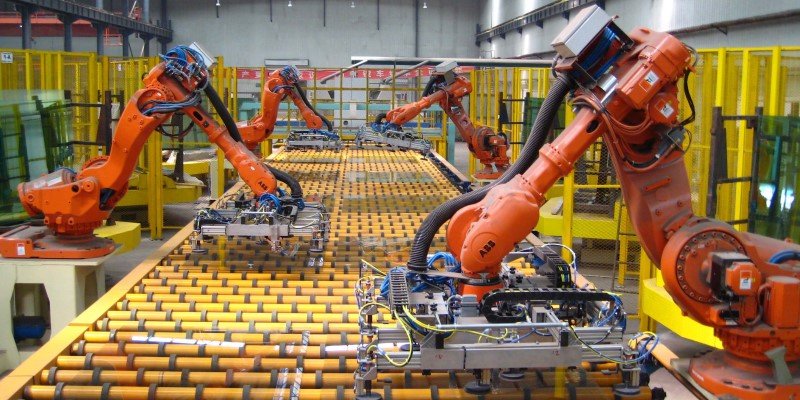
The integration of advanced technologies is transforming the way manufacturers approach sustainability. Automation, robotics, and artificial intelligence can increase precision, reduce waste, and optimize resource allocation. For example, predictive maintenance powered by IoT sensors can prevent equipment failures, saving energy and materials.
Digital twins and simulation tools allow companies to model processes and test changes virtually before implementing them on the shop floor. This reduces trial-and-error, conserves resources, and accelerates innovation.
Measuring and Sustaining Progress
Tracking the impact of sustainability initiatives is essential for maintaining momentum. Key performance indicators (KPIs) such as energy intensity, water usage, waste generation, and carbon emissions provide valuable feedback. Regular audits and transparent reporting help organizations stay accountable and identify new areas for improvement.
For a deeper dive into production efficiency, consider reading this comprehensive guide to production efficiency in manufacturing.
Integrating Safety and Ergonomics Into Sustainable Manufacturing
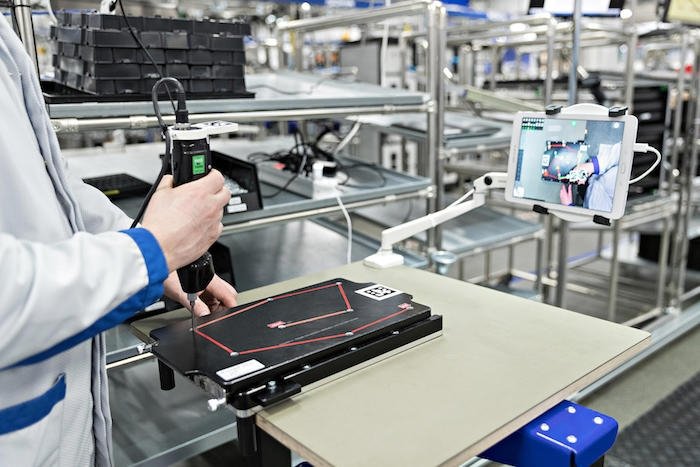
Efficiency and sustainability are closely linked to workplace safety and ergonomics. Well-designed workstations and processes not only reduce the risk of injury but also improve productivity and morale. For practical strategies, see our article on how to improve production safety and efficiency.
Frequently Asked Questions
What are the main benefits of adopting sustainable manufacturing practices?
The primary advantages include lower operating costs, reduced environmental impact, improved compliance with regulations, and enhanced brand reputation. Sustainable practices also help attract environmentally conscious customers and investors.
How can manufacturers measure the success of their efficiency strategies?
Success can be measured using KPIs such as energy consumption per unit produced, waste reduction rates, water usage, and carbon emissions. Regular monitoring and benchmarking against industry standards are essential for tracking progress.
What role does employee engagement play in green manufacturing?
Engaged employees are more likely to identify inefficiencies, suggest improvements, and support sustainability initiatives. Training and involving staff at all levels fosters a culture of continuous improvement and shared responsibility.
Conclusion
Adopting green manufacturing efficiency strategies is a practical way for companies to achieve both environmental and economic goals. By focusing on resource optimization, process improvement, and technological innovation, manufacturers can build resilient, future-ready operations. As the industry evolves, those who prioritize sustainability will be best positioned to thrive in a competitive, resource-conscious world.