
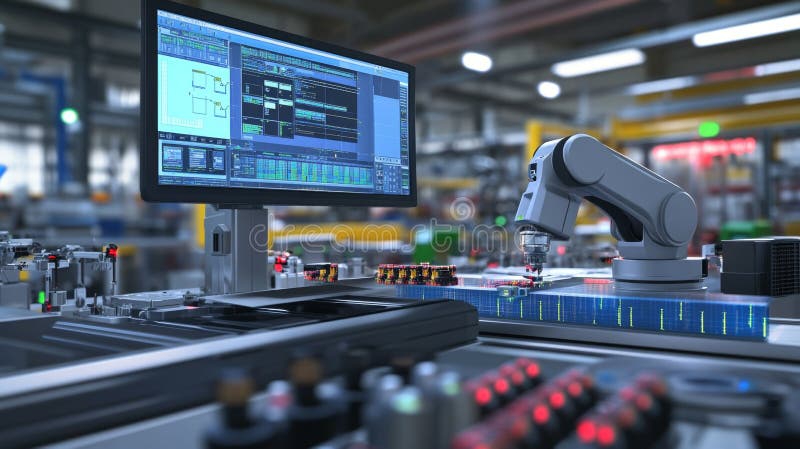
In the world of modern technology, AI in predictive maintenance is rapidly becoming a game-changer. By leveraging advanced machine learning algorithms and the power of the Internet of Things (IoT), industries are witnessing a revolution in equipment reliability and operational efficiency. This article explores the profound impact of AI on predictive maintenance, offering insights into how it enhances equipment performance and minimizes downtime.
The Role of AI in Predictive Maintenance
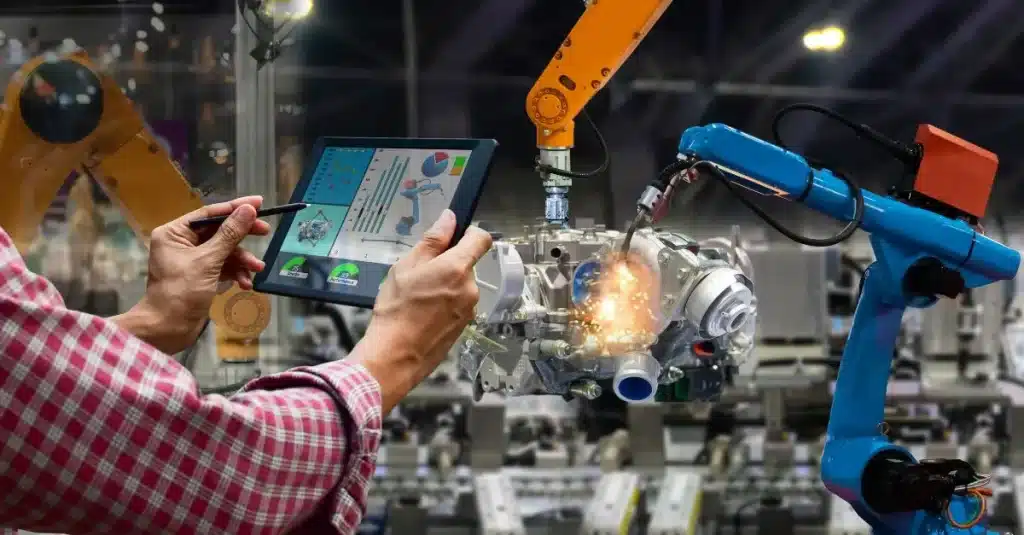
AI plays a crucial role in predictive maintenance by analyzing vast amounts of data collected from sensors and devices attached to machinery. This data-driven approach enables proactive decision-making, allowing industries to predict equipment failures before they occur. As a result, maintenance schedules can be optimized, reducing unexpected breakdowns and saving costs.
How AI Analyzes Data
The analysis process begins with data collection from various sources, including temperature, vibration, and pressure sensors. AI algorithms then process this data to identify patterns and anomalies that indicate potential issues. By continuously learning from historical data, AI systems become increasingly accurate in predicting failures.
Benefits of AI in Predictive Maintenance
The implementation of AI in predictive maintenance offers several benefits that contribute to improved operational efficiency and cost-effectiveness.
Minimizing Downtime
One of the most significant advantages of AI-powered predictive maintenance is the reduction of downtime. By predicting when equipment is likely to fail, maintenance can be scheduled at convenient times, ensuring minimal disruption to operations.
Cost Savings
Predictive maintenance reduces the need for frequent, costly repairs and extends the lifespan of equipment. As a result, industries can allocate resources more efficiently, leading to substantial cost savings over time.
Industry Applications of Predictive Maintenance
Various industries are harnessing the power of AI in predictive maintenance to enhance their operations.
Manufacturing
In manufacturing, AI-driven predictive maintenance ensures that machinery operates at peak efficiency. This leads to higher production rates and consistent product quality. For more insights on how AI is revolutionizing manufacturing, visit ScanFlow.
Oil and Gas
The oil and gas sector relies heavily on AI to monitor equipment health in harsh environments. Predictive maintenance helps prevent catastrophic failures, ensuring safety and environmental compliance.
Implementing AI in Predictive Maintenance
Integrating AI into predictive maintenance involves several key steps, including data collection, algorithm development, and system integration.
Data Collection and Analysis
Collecting high-quality data is essential for accurate predictions. Industries must invest in robust sensor networks to gather real-time information from machinery.
Algorithm Development
Developing sophisticated algorithms is crucial for accurate predictions. AI models are trained using historical data to recognize patterns and make informed predictions.
Challenges and Solutions
While AI in predictive maintenance offers immense potential, it also presents challenges such as data quality, integration complexity, and cybersecurity concerns.
Data Quality
Ensuring data accuracy and consistency is vital for reliable predictions. Industries must implement rigorous data validation processes.
Integration Complexity
Integrating AI systems with existing infrastructure can be complex. Collaborative efforts between IT and operational teams are essential for successful implementation.
The Future of AI in Predictive Maintenance
The future of AI in predictive maintenance is promising, with advancements in technology and increased adoption across industries.
Enhanced AI Capabilities
As AI technology continues to evolve, its ability to analyze data and make predictions will become even more accurate and efficient.
Wider Adoption
Industries worldwide are recognizing the benefits of AI-driven predictive maintenance and are increasingly adopting these technologies to stay competitive.
Conclusion
AI in predictive maintenance is transforming industries by improving equipment reliability and operational efficiency. As technology advances, the potential for AI-driven maintenance solutions will continue to grow, offering even greater benefits to various sectors. To learn more about how AI is impacting industries, explore the insights shared by Qualitech and other leading experts.
FAQs
What is predictive maintenance?
Predictive maintenance is a proactive approach that utilizes data analysis to predict equipment failures before they occur, allowing for timely maintenance and reducing downtime.
How does AI improve predictive maintenance?
AI enhances predictive maintenance by analyzing vast amounts of data, identifying patterns, and making accurate predictions about equipment health.
What industries benefit from AI-driven predictive maintenance?
Industries such as manufacturing, oil and gas, and transportation benefit significantly from AI-driven predictive maintenance due to improved equipment reliability and cost savings.
This article contains affiliate links. We may earn a commission at no extra cost to you.