
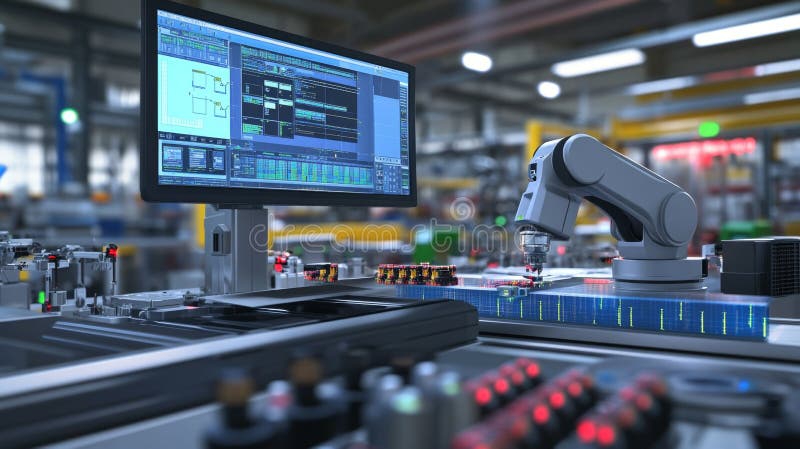
In today’s rapidly evolving technological landscape, the integration of Artificial Intelligence (AI) into various sectors is not just a trend but a necessity. Among these sectors, quality control stands out as a significant beneficiary of AI advancements. However, the introduction of ethical AI in quality control brings forth both opportunities and challenges. Ensuring that AI systems operate ethically within quality control processes is crucial for maintaining trust and reliability in automated systems.
The concept of embedding ethics into AI systems is not new, but its application in quality control is gaining traction. As industries strive to enhance efficiency and accuracy, the role of ethical guidelines becomes paramount. By understanding the implications of ethical AI in quality control, businesses can better align their practices with societal values, fostering an environment of accountability and transparency.

Understanding the Role of AI in Quality Control
AI has revolutionized quality control by introducing automation that enhances precision and reduces human error. By leveraging AI technologies, industries can achieve higher standards of quality assurance, ensuring products meet the desired specifications consistently. This transformation is evident in various sectors, from manufacturing to pharmaceuticals, where AI-driven quality control ensures product safety and compliance.
The Importance of Ethical AI in Quality Control
As industries increasingly rely on AI for quality control, the importance of maintaining ethical standards cannot be overstated. Ethical AI ensures that the systems are free from biases, operate transparently, and uphold fairness in decision-making processes. This is essential for sustaining consumer trust and avoiding potential legal repercussions.
Embedding ethics into AI systems involves considering various factors such as data privacy, algorithmic transparency, and accountability. By addressing these aspects, businesses can mitigate risks associated with AI deployments, ensuring that quality control processes remain fair and objective.
Challenges in Implementing Ethical AI
Implementing ethical AI in quality control is not without its challenges. One of the primary concerns is the potential for bias in AI algorithms. If not addressed, biases can lead to inaccurate quality assessments, ultimately affecting product integrity. Ensuring diverse and representative data sets is crucial for minimizing these biases.
Data Privacy and Security
Another challenge is ensuring data privacy and security. As AI systems rely heavily on data, protecting this information from unauthorized access is vital. Businesses must implement robust data protection measures to safeguard sensitive information and comply with regulations such as the General Data Protection Regulation (GDPR).
Best Practices for Ethical AI in Quality Control
To effectively implement ethical AI in quality control, businesses should adhere to best practices that promote ethical standards. These practices include conducting regular audits of AI systems, ensuring transparency in algorithmic decision-making, and fostering a culture of ethical awareness within the organization.
Conducting Regular Audits
Regular audits of AI systems help identify potential biases and inaccuracies, allowing businesses to make necessary adjustments. By routinely evaluating AI algorithms, companies can ensure that quality control processes remain fair and unbiased.
Ensuring Transparency
Transparency is key to building trust in AI systems. Businesses should strive to make AI decision-making processes understandable and accessible to stakeholders. This involves providing clear explanations of how AI systems operate and the criteria used in quality assessments.
The Future of Ethical AI in Quality Control
The integration of ethical AI in quality control is poised to reshape industries, driving innovation and efficiency. As businesses continue to embrace AI technologies, the focus on ethics will become increasingly important. By prioritizing ethical considerations, companies can harness the full potential of AI while maintaining the highest standards of quality and integrity.
Looking ahead, the development of ethical AI frameworks will play a crucial role in guiding businesses towards responsible AI implementations. These frameworks will provide guidelines for ethical AI practices, ensuring that quality control processes align with societal values and expectations.
Conclusion
The journey towards ethical AI in quality control is an ongoing process that requires collaboration and commitment from all stakeholders. By embracing ethical principles, businesses can ensure that AI systems operate responsibly, delivering high-quality products while upholding societal values. As industries continue to evolve, the integration of ethical AI will be key to achieving sustainable and reliable quality control practices.

FAQs
What is ethical AI in quality control?
Ethical AI in quality control refers to the integration of ethical guidelines into AI systems used for quality assurance. This involves ensuring that AI operates transparently, fairly, and without biases, maintaining the integrity of quality control processes.
Why is ethical AI important in quality control?
Ethical AI is crucial in quality control to ensure that automated systems make fair and accurate decisions. It helps maintain consumer trust, avoid legal issues, and ensure that quality assessments are unbiased and reliable.
How can businesses implement ethical AI in quality control?
Businesses can implement ethical AI in quality control by conducting regular audits, ensuring transparency in decision-making, and fostering a culture of ethical awareness. Adhering to best practices and ethical guidelines helps mitigate risks and enhance the effectiveness of AI systems.
For more insights on how AI is revolutionizing inspection processes, visit this article.
To explore the latest trends in AI visual inspection, check out AI trends.
This article contains affiliate links. We may earn a commission at no extra cost to you.