
In today’s fast-paced manufacturing landscape, organizations are under constant pressure to deliver high-quality products while maintaining a safe and efficient workplace. Achieving both safety and productivity is not just about compliance—it’s a strategic advantage. By focusing on practical improvements, companies can reduce downtime, prevent accidents, and boost overall output. This article explores proven strategies, actionable tips, and the latest trends that help organizations enhance both safety and efficiency on the production floor.
Before diving into specific methods, it’s important to recognize that improvements in these areas are interconnected. Safer environments often lead to fewer disruptions and more reliable processes, while efficient operations can free up resources for further safety investments. For those interested in error reduction, exploring mistake proofing techniques poka yoke can provide additional insight into minimizing risks and streamlining workflows.
Key Principles for Enhancing Workplace Safety
Fostering a culture of safety is the foundation for any successful production environment. Leadership commitment, employee involvement, and ongoing education are essential. Here are several core principles to consider:
- Leadership Engagement: Management must set clear expectations, allocate resources, and lead by example.
- Employee Training: Regular training ensures workers understand hazards, procedures, and the importance of personal protective equipment (PPE).
- Hazard Identification: Encourage reporting of unsafe conditions and near-misses. Conduct routine inspections and risk assessments.
- Continuous Improvement: Use feedback, incident investigations, and audits to refine safety protocols.
Strategies to Boost Production Efficiency and Safety
Improving operational performance goes hand-in-hand with reducing risks. Here are some effective strategies that address both goals:
Standardize Processes and Procedures
Consistency is key to minimizing errors and accidents. Develop clear work instructions, checklists, and visual aids. Standardization not only streamlines tasks but also makes it easier to identify deviations that could compromise safety or productivity.
For a deeper dive into error reduction, see our article on how to reduce production errors.
Leverage Technology and Automation
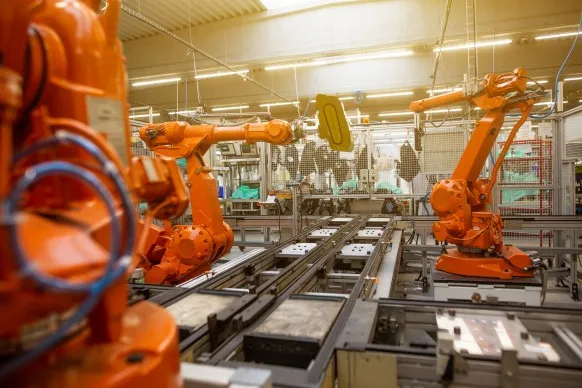
Integrating automation can significantly reduce manual handling, repetitive strain, and human error. Robotics, sensors, and real-time monitoring systems help maintain safe working conditions and optimize throughput. Automated alerts can quickly notify staff of potential hazards or process deviations.

Optimize Communication and Teamwork
Effective communication ensures everyone is aware of safety protocols, production targets, and any changes to procedures. Regular meetings, digital dashboards, and feedback loops help teams stay aligned and respond quickly to issues. For more tips, read about how to improve communication in production teams.
Invest in Ergonomics and Facility Layout
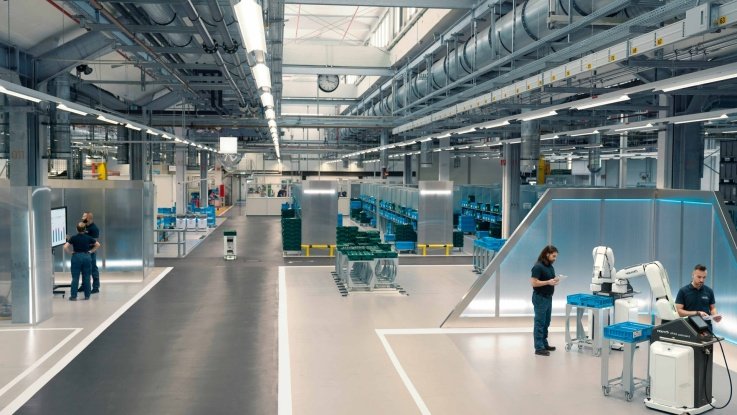
Poorly designed workstations and cluttered layouts can lead to injuries and slow down operations. Assess workflows to minimize unnecessary movement, ensure adequate lighting, and provide ergonomic tools. Small changes in layout can have a big impact on both safety and productivity.
For further ideas, our warehouse efficiency tips for manufacturing article offers practical suggestions for optimizing space and flow.
Continuous Improvement for Sustainable Results
Sustainable progress requires a commitment to ongoing evaluation and adaptation. Implementing lean manufacturing principles, such as Kaizen, encourages incremental improvements and empowers employees to contribute ideas. Regularly review performance metrics, incident reports, and feedback to identify new opportunities for growth.
Digital tools can help track key performance indicators (KPIs) related to both safety and efficiency. By analyzing trends, organizations can proactively address issues before they escalate.
Integrating Safety and Efficiency Initiatives
The most successful organizations treat safety and efficiency as complementary objectives. For example, reducing clutter not only prevents trips and falls but also speeds up material handling. Similarly, automating repetitive tasks can free up skilled workers for more valuable activities while minimizing exposure to hazards.
For a comprehensive look at productivity improvements in manufacturing, consider this guide to improving productivity and efficiency in manufacturing.
Collaboration between departments—such as safety, operations, and maintenance—ensures that changes are practical, sustainable, and well-communicated. Regular cross-functional meetings can help identify overlapping goals and streamline implementation.
Best Practices for Ongoing Success
- Encourage Reporting: Make it easy for employees to report hazards and suggest improvements without fear of reprisal.
- Reward Safe Behavior: Recognize and reward teams or individuals who demonstrate a commitment to safety and efficiency.
- Maintain Equipment: Regular inspections and preventive maintenance reduce the risk of breakdowns and accidents.
- Review and Update Policies: As technology and processes evolve, ensure that safety and efficiency policies remain relevant.
FAQ
What are the first steps to improving safety and efficiency in production?
Start by assessing current processes and identifying key risks and bottlenecks. Engage both management and frontline workers in discussions, provide targeted training, and establish clear safety protocols. Implementing small, manageable changes can build momentum for larger improvements over time.
How can technology help reduce workplace accidents?
Automation, real-time monitoring, and digital communication tools can identify hazards faster, reduce human error, and ensure that safety protocols are consistently followed. Technologies such as sensors and robotics can also minimize exposure to dangerous tasks.
Why is employee involvement important for production improvements?
Employees are often the first to spot potential hazards or inefficiencies. Their input leads to more practical solutions, greater buy-in, and a stronger safety culture. Encouraging feedback and participation ensures that improvements are both effective and sustainable.