
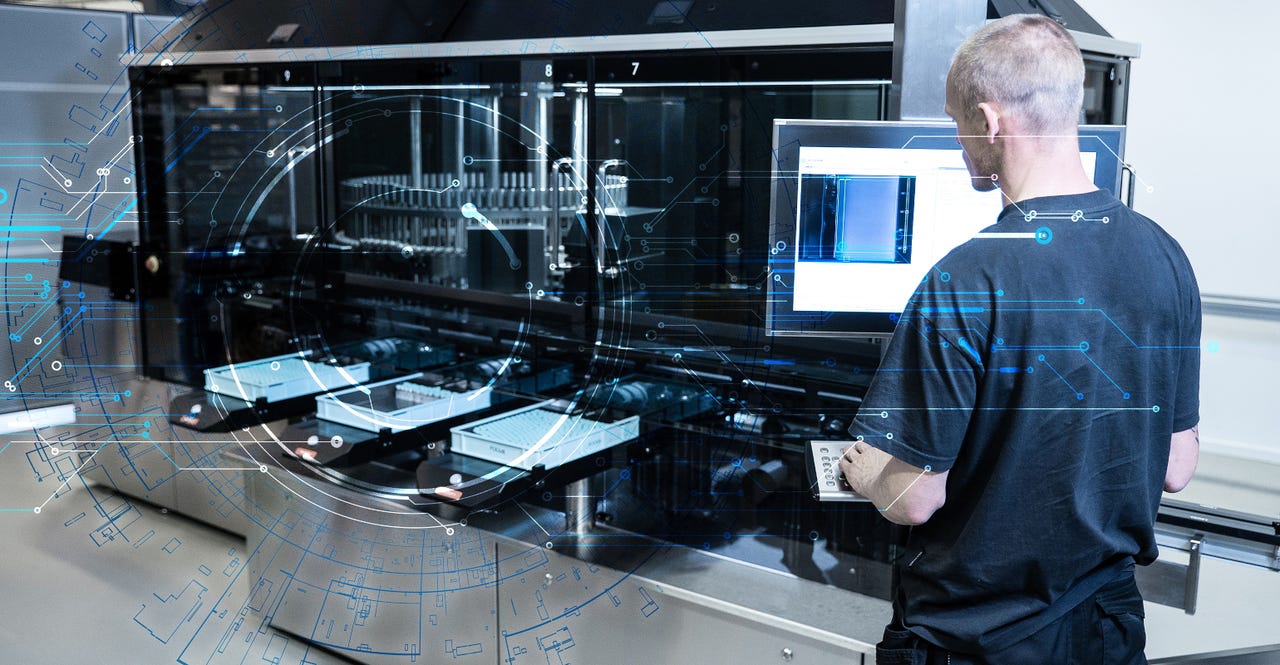
In the rapidly evolving world of technology, the Machine Vision AI SDK stands out as a beacon of innovation. This robust software development kit is designed to revolutionize the way industries operate by integrating artificial intelligence into visual inspection processes. For industries focused on quality assurance, the capabilities of machine vision AI SDKs are nothing short of transformative.
The integration of AI into machine vision systems is not just a trend; it represents a fundamental shift in how companies approach AI camera systems and quality inspection. By automating and enhancing visual analysis, businesses can achieve higher accuracy and efficiency, ultimately leading to increased productivity and reduced costs.
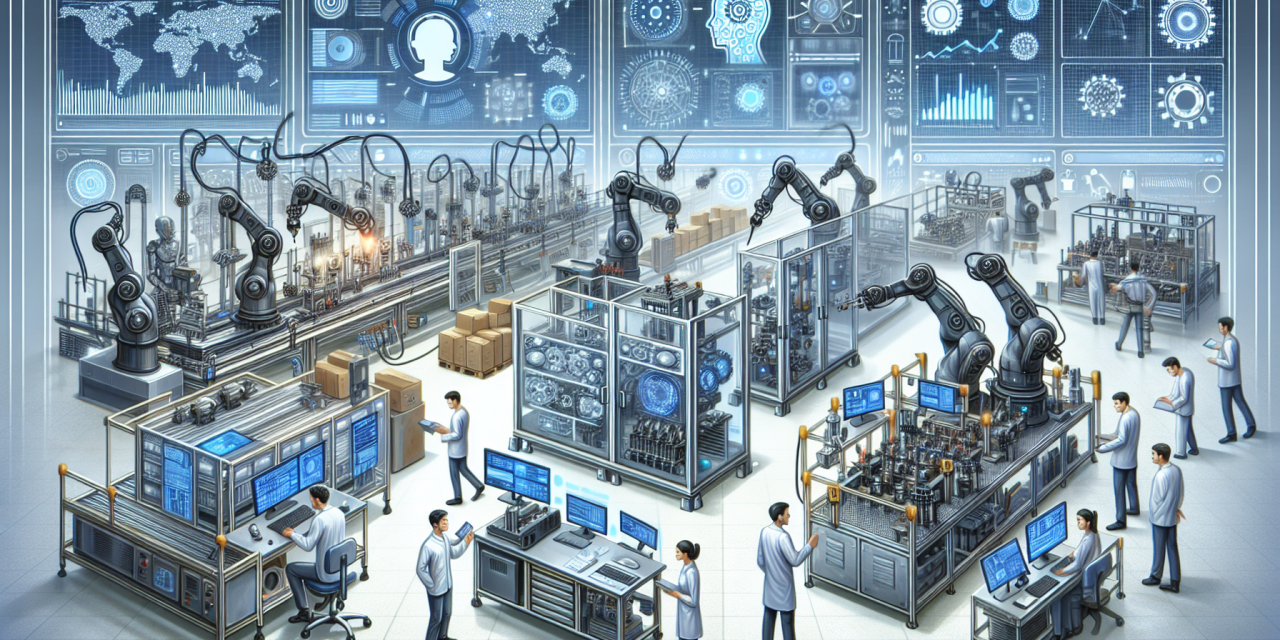
Understanding the Core of Machine Vision AI SDK
The Machine Vision AI SDK is essentially a toolkit that enables developers to embed machine vision capabilities into their applications. These SDKs are equipped with algorithms that mimic human visual perception, allowing machines to interpret and analyze visual data. This technology is pivotal in industries such as manufacturing, healthcare, and retail, where precise visual inspection is paramount.
Key Features of Machine Vision AI SDKs
- Real-time Processing: These SDKs allow for real-time data processing, which is crucial for applications requiring immediate feedback, such as in reducing false positives in quality control.
- Scalability: Whether a small startup or a large enterprise, these SDKs can scale to meet the demands of any operation.
- Integration: Seamless integration with existing systems ensures minimal disruption during implementation.
Applications Across Various Industries
From improving product quality to automating tedious tasks, the applications of Machine Vision AI SDKs are diverse and impactful. Heres how different sectors are leveraging this technology:
Manufacturing
In manufacturing, machine vision is used for defect detection, assembly verification, and sorting. By integrating AI, companies can enhance their ROI on visual inspection systems.
Healthcare
AI-powered machine vision is transforming healthcare by improving diagnostic accuracy and enabling innovations in medical imaging. This technology assists in early disease detection and automates repetitive tasks, allowing healthcare professionals to focus on patient care.
Retail
In retail, machine vision aids in inventory management, theft prevention, and customer behavior analysis. By understanding customer preferences through visual data, retailers can enhance the shopping experience and optimize operations.
Challenges and Considerations
While the benefits are clear, the implementation of Machine Vision AI SDKs is not without challenges. Companies must consider data privacy, the need for high-quality data, and the complexity of integrating these systems with existing infrastructure. However, with careful planning and execution, these challenges can be overcome.
Data Privacy Concerns
As with any technology that processes large amounts of data, privacy concerns are paramount. Ensuring that data is handled securely and ethically is crucial for maintaining trust and compliance with regulations.
Quality of Data
The effectiveness of machine vision AI is heavily dependent on the quality of data it processes. High-resolution images and accurate labeling are essential for training AI models effectively.
The Future of Machine Vision AI SDK
The future of Machine Vision AI SDK is promising, with advancements in AI and machine learning continually expanding its capabilities. As technology evolves, we can expect even greater integration and sophistication, leading to more intelligent and autonomous systems.
For companies looking to stay ahead, embracing these technologies is not just an option; it’s a necessity. By leveraging the power of machine vision, businesses can unlock new levels of efficiency and innovation.
Conclusion
The Machine Vision AI SDK is a game-changer in the realm of industrial applications. By enhancing visual inspection processes, this technology not only improves accuracy and efficiency but also drives innovation across various sectors. As we look to the future, the potential of machine vision AI is limitless, promising even more breakthroughs in technology and industry.
FAQs
What industries benefit most from Machine Vision AI SDKs?
Industries such as manufacturing, healthcare, and retail see significant benefits from integrating machine vision AI, improving efficiency, accuracy, and overall productivity.
How does Machine Vision AI SDK improve quality control?
By providing real-time processing and accurate defect detection, machine vision AI enhances the quality control process, reducing false positives and increasing production efficiency.
What are the future trends in Machine Vision AI?
Future trends include more advanced AI algorithms, greater integration with IoT devices, and increased use in new fields such as autonomous vehicles and smart cities.
This article contains affiliate links. We may earn a commission at no extra cost to you.