
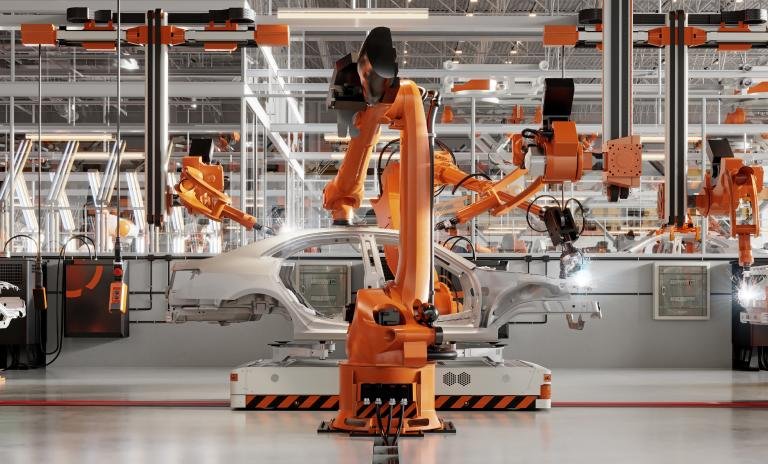
In today’s competitive manufacturing landscape, optimizing operations is essential for staying ahead. Companies are under constant pressure to deliver higher quality products, reduce costs, and minimize waste. Adopting production efficiency best practices can help manufacturers streamline processes, boost output, and maintain profitability. This guide explores proven strategies, actionable tips, and key technologies that can drive measurable improvements on the shop floor.
For those interested in related approaches, learning how to reduce production waste can further enhance operational efficiency and sustainability.
Understanding the Importance of Process Optimization
Manufacturing organizations face a range of challenges, from fluctuating demand to supply chain disruptions and rising material costs. By focusing on process optimization, companies can identify bottlenecks, eliminate inefficiencies, and create a culture of continuous improvement. This not only leads to higher throughput but also enhances product quality and employee satisfaction.
Embracing a data-driven approach is essential. Collecting and analyzing production data allows managers to make informed decisions, set realistic targets, and monitor progress over time. Leveraging digital tools and automation can further accelerate improvements, ensuring that resources are used effectively.
Key Strategies for Improving Manufacturing Efficiency
Implementing production efficiency best practices requires a holistic approach. Below are several strategies that have proven effective across various manufacturing sectors:
- Standardize Workflows: Documenting and standardizing procedures ensures consistency and reduces errors. Clear instructions and visual aids help operators perform tasks correctly every time.
- Invest in Employee Training: Well-trained staff are more productive and less likely to make costly mistakes. Ongoing training programs keep teams updated on new technologies and methods.
- Implement Lean Manufacturing Principles: Techniques such as 5S, value stream mapping, and just-in-time production help eliminate waste and streamline operations.
- Adopt Preventive Maintenance: Regular equipment checks and maintenance reduce unplanned downtime and extend machinery lifespan.
- Leverage Automation and Digital Tools: Automated systems and real-time monitoring can optimize scheduling, track performance, and quickly identify issues.
Leveraging Technology for Greater Output
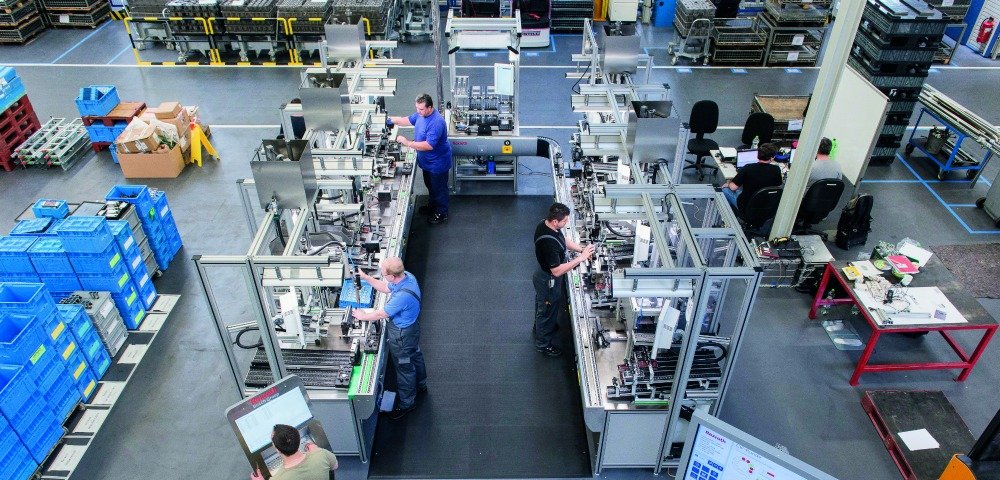
The rise of Industry 4.0 has introduced a range of digital solutions that can dramatically enhance manufacturing performance. Technologies such as the Industrial Internet of Things (IIoT), artificial intelligence, and advanced analytics provide real-time insights into every aspect of production.
For example, integrating sensors with production equipment enables continuous monitoring of machine health, energy usage, and output quality. Predictive analytics can anticipate maintenance needs, reducing unexpected breakdowns and costly repairs. By automating data collection and analysis, manufacturers can focus on proactive decision-making rather than reactive troubleshooting.
For a deeper dive into digital transformation in manufacturing, explore these ways to increase manufacturing efficiency with smart technologies.
Measuring and Sustaining Improvements
Continuous improvement is a core principle of successful manufacturing operations. To sustain gains, it’s important to establish clear metrics and regularly review performance. Common key performance indicators (KPIs) include:
- Overall Equipment Effectiveness (OEE): Measures the percentage of manufacturing time that is truly productive.
- Cycle Time: Tracks the time required to complete one production cycle from start to finish.
- Yield: Calculates the proportion of products that meet quality standards without rework.
- Downtime: Monitors periods when equipment is not operational due to maintenance or failures.
Regularly reviewing these KPIs helps identify trends, uncover hidden issues, and set realistic improvement targets. Involving employees in the process fosters a sense of ownership and encourages innovative problem-solving.
Reducing Waste and Maximizing Resources
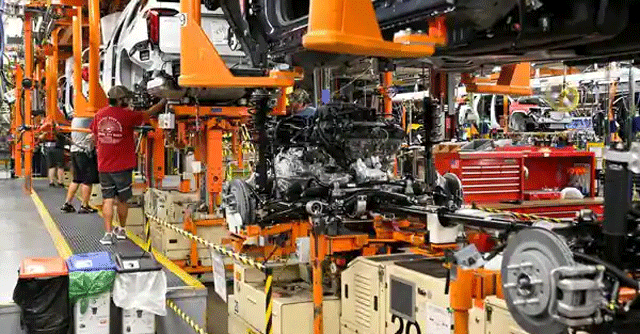
Waste reduction goes hand-in-hand with efficiency. By identifying sources of scrap, rework, and unnecessary movement, manufacturers can lower costs and improve sustainability. Techniques such as root cause analysis and Six Sigma can be used to systematically address recurring issues.
For practical advice on minimizing waste while boosting production, see this guide on how to improve production efficiency in manufacturing environments.
Learning from Industry Leaders
Many successful manufacturers have shared their experiences and lessons learned in optimizing their operations. Case studies often highlight the value of cross-functional collaboration, investment in modern equipment, and a commitment to ongoing improvement.
For a comprehensive overview of actionable steps, this detailed article on improving production line efficiency provides practical examples and expert insights.
Frequently Asked Questions
What are the most effective ways to boost productivity in manufacturing?
The most effective methods include standardizing processes, investing in employee training, adopting lean manufacturing principles, and leveraging automation. Regularly reviewing performance data and involving staff in problem-solving also contribute to sustained productivity gains.
How can technology help improve production efficiency?
Digital tools such as IIoT sensors, predictive analytics, and real-time monitoring systems provide valuable insights into equipment performance and process bottlenecks. These technologies enable proactive maintenance, faster decision-making, and more efficient resource allocation.
Why is continuous improvement important in manufacturing?
Continuous improvement ensures that manufacturers adapt to changing market conditions, customer demands, and technological advancements. By regularly assessing and refining processes, companies can maintain competitiveness and achieve long-term success.