

In today’s rapidly evolving industrial landscape, the integration of AI-driven technologies is reshaping how businesses approach quality assurance. A pivotal component in this transformation is visual inspection with AI dashboards. This innovative approach not only enhances efficiency but also ensures a higher standard of quality in manufacturing processes. By leveraging the power of AI, companies can now perform real-time visual inspections with unprecedented accuracy.
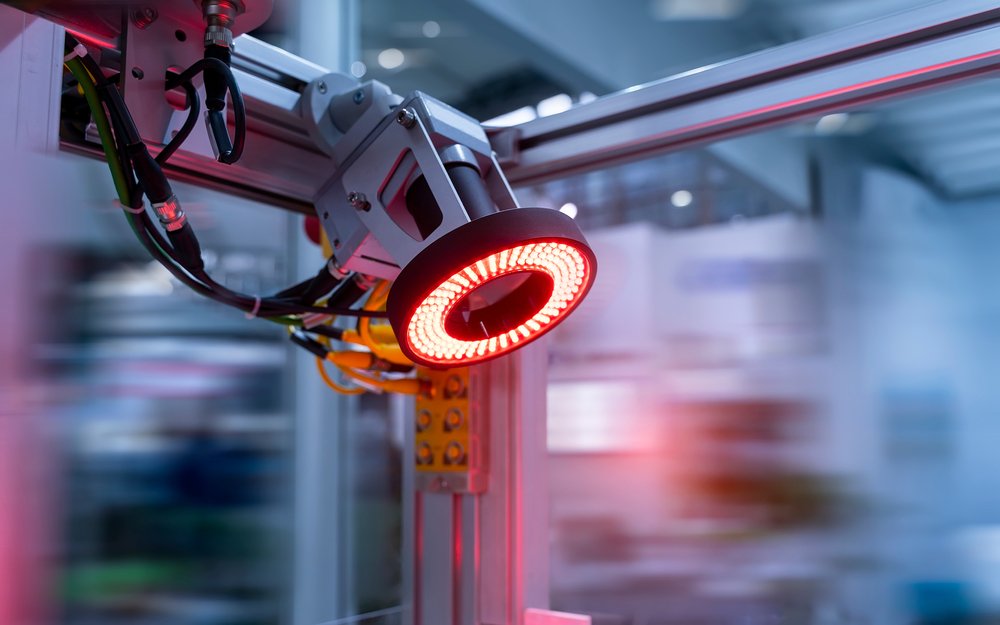
Understanding Visual Inspection with AI
The traditional methods of visual inspection are often labor-intensive and prone to human error. However, with the advent of AI, these challenges are being addressed effectively. AI dashboards enable seamless integration of visual data, allowing for a comprehensive analysis that was previously unattainable. The use of machine learning algorithms aids in identifying defects and anomalies that might be overlooked by the human eye.
Benefits of AI-Driven Visual Inspection
One of the most significant advantages of utilizing AI for visual inspection is the marked improvement in precision. By automating the inspection process, companies can achieve greater consistency and reduce the likelihood of defective products reaching the market. Moreover, AI dashboards facilitate the monitoring and analysis of vast amounts of data, thereby enabling proactive measures to prevent future defects.
Key Features of AI Dashboards
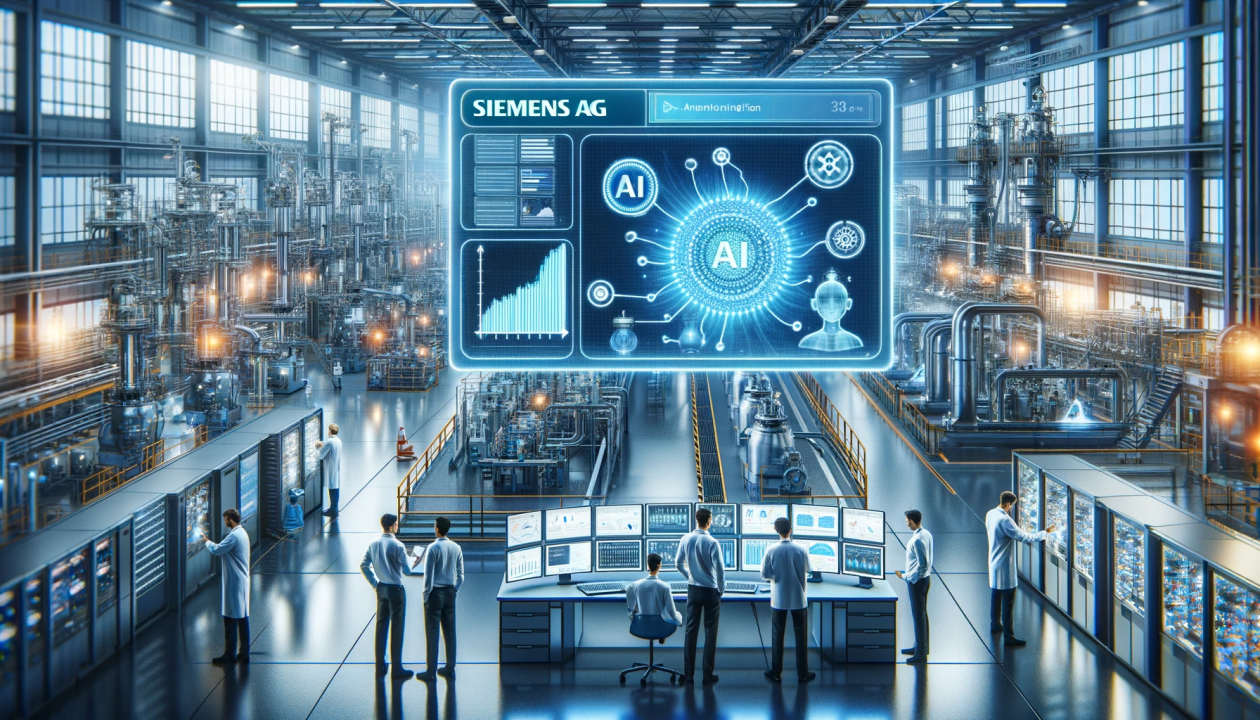
AI dashboards are equipped with a plethora of features that enhance their functionality. These include real-time analytics, customizable alerts, and data visualization tools that provide insights into the production process. The ability to generate detailed reports helps in identifying trends and patterns, which can be instrumental in optimizing manufacturing operations.
Integration with Existing Systems
One of the challenges companies face is integrating new technologies with existing systems. AI dashboards are designed to be compatible with a wide range of industrial equipment. This flexibility ensures a smooth transition and minimizes disruption to ongoing operations. By seamlessly integrating with current systems, businesses can gradually adapt to the AI-driven inspection model.
Applications Across Industries
The application of visual inspection with AI is not limited to a single industry. From automotive to electronics, and even food production, AI dashboards are being utilized to enhance quality control measures. In the automotive industry, for instance, AI-powered inspection systems can detect minute defects in car components, ensuring that only top-quality products reach consumers.
Case Study: Automotive Industry
In the automotive sector, precision is paramount. AI dashboards are being employed to conduct thorough inspections of various components, from engine parts to body panels. By identifying defects early in the production process, manufacturers can avoid costly recalls and maintain their reputation for quality.
Challenges and Solutions
While the benefits of AI-driven visual inspection are evident, there are challenges that need to be addressed. One such challenge is the initial cost of implementation. However, the ROI of AI visual inspection systems often justifies the investment, as companies experience significant cost savings in the long run.
Overcoming Technical Barriers
Another challenge is the technical expertise required to manage and maintain AI systems. To address this, companies can partner with subscription-based AI inspection providers who offer comprehensive support and training.
Future of Visual Inspection with AI
The future of visual inspection with AI is promising, with continuous advancements in technology paving the way for even more sophisticated systems. As AI continues to evolve, we can expect increased automation and even higher levels of accuracy in quality control processes.
Emerging Trends
One emerging trend is the integration of cloud-based AI solutions, which offer scalability and flexibility. These solutions allow companies to access powerful AI tools without the need for significant infrastructure investments. Learn more about this trend at Cloud AI for Quality Inspection.
Conclusion
In conclusion, visual inspection with AI dashboards is revolutionizing the way industries approach quality control. By embracing this technology, businesses can enhance efficiency, reduce errors, and ultimately deliver superior products to their customers. As we move forward, the integration of AI will continue to be a driving force in the quest for excellence in manufacturing.
FAQs
What is visual inspection with AI dashboards?
Visual inspection with AI dashboards involves using artificial intelligence to automate the inspection process, improving accuracy and efficiency in detecting defects.
How do AI dashboards improve quality control?
AI dashboards improve quality control by providing real-time analytics, reducing human error, and enabling proactive measures to prevent defects.
What industries benefit from AI-driven visual inspection?
Industries such as automotive, electronics, and food production benefit from AI-driven visual inspection by enhancing precision and reducing defects.
For more on how AI is transforming industries, visit this article on Google’s blog.
This article contains affiliate links. We may earn a commission at no extra cost to you.