

Manufacturing organizations are constantly searching for ways to increase manufacturing efficiency and boost output without sacrificing quality. As global competition intensifies and customer expectations rise, manufacturers must adopt new strategies, technologies, and best practices to remain competitive. Improving operational efficiency not only reduces costs but also enhances product quality, shortens lead times, and increases profitability.
Modern production environments face a range of challenges, from supply chain disruptions to labor shortages and rapidly evolving technology. Addressing these issues requires a holistic approach that combines process optimization, workforce development, and the integration of advanced digital tools. In this article, we’ll explore proven methods to streamline production, maximize resource utilization, and drive sustainable growth.
One important aspect of modern manufacturing is the adoption of smart automation and artificial intelligence. For example, Industry 4.0 defect detection systems are helping manufacturers reduce waste and improve product quality by identifying issues early in the production process. Leveraging such technologies can be a game-changer for operational performance.
Embracing Lean Manufacturing Principles
Implementing lean methodologies is one of the most effective ways to increase manufacturing efficiency. Lean manufacturing focuses on eliminating waste, optimizing workflows, and continuously improving processes. By identifying and removing non-value-added activities, manufacturers can reduce costs and improve throughput.
- Value Stream Mapping: Analyze each step in the production process to identify bottlenecks and inefficiencies.
- 5S System: Organize the workplace for maximum efficiency by sorting, setting in order, shining, standardizing, and sustaining.
- Kaizen: Encourage a culture of continuous improvement, where employees at all levels contribute ideas for process enhancements.
Lean principles also promote a safer, cleaner, and more organized factory floor, which can lead to fewer accidents and higher employee morale.
Leveraging Digital Transformation for Greater Productivity
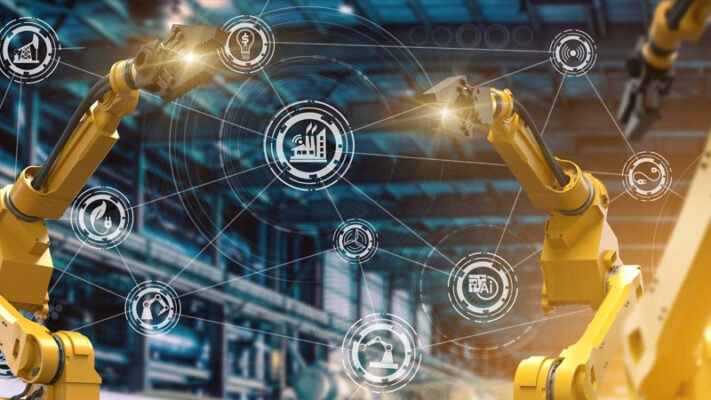
Digital tools and smart technologies are transforming the manufacturing landscape. Integrating automation, IoT devices, and data analytics into production lines can significantly improve output and efficiency. These innovations enable real-time monitoring, predictive maintenance, and better decision-making.
- Automation: Use robotics and automated machinery to handle repetitive or dangerous tasks, freeing up human workers for higher-value activities.
- Industrial IoT: Connect machines and sensors to collect data on performance, maintenance needs, and energy usage.
- Data Analytics: Analyze production data to identify trends, forecast demand, and optimize scheduling.
For organizations interested in the latest advancements, exploring AI adoption in manufacturing can offer insights into how artificial intelligence is being used for quality control and process optimization.
Optimizing Workforce Skills and Engagement
People remain at the heart of every manufacturing operation. Investing in workforce development is a key strategy for improving efficiency and output. Training programs, upskilling, and employee engagement initiatives ensure that staff can adapt to new technologies and changing production demands.
- Cross-Training: Equip employees with multiple skills so they can fill in for absent colleagues and adapt to shifting workloads.
- Continuous Learning: Offer regular training on new equipment, safety procedures, and digital tools.
- Employee Involvement: Encourage workers to participate in problem-solving and process improvement initiatives.
Engaged and well-trained employees are more productive, make fewer errors, and are more likely to contribute innovative ideas for process improvement.
Enhancing Quality Control and Defect Detection
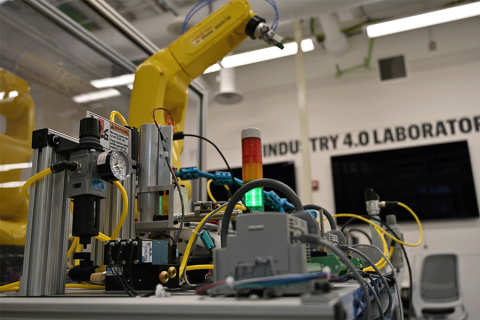
Maintaining high product quality is essential for customer satisfaction and operational efficiency. Advanced quality control systems, including AI-powered defect detection, help manufacturers catch issues early and reduce rework or scrap. Implementing robust inspection processes and leveraging digital tools can significantly improve first-pass yield rates.
For real-world examples of how these technologies are making a difference, see real-world defect detection success stories using AI in manufacturing environments.
Streamlining Supply Chain and Inventory Management
Efficient supply chain and inventory management are critical for minimizing downtime and ensuring smooth production flows. Adopting just-in-time (JIT) inventory systems, building strong supplier relationships, and using digital supply chain platforms can reduce lead times and prevent overstocking or stockouts.
- Supplier Collaboration: Work closely with suppliers to improve delivery reliability and quality.
- Inventory Optimization: Use software to track inventory levels in real time and forecast demand accurately.
- Flexible Sourcing: Develop alternative sourcing strategies to mitigate risks from supply chain disruptions.
For additional insights on optimizing production and supply chain processes, review this comprehensive guide to improving production efficiency.
Continuous Improvement and Performance Monitoring
To sustain gains in productivity, manufacturers must establish a culture of continuous improvement and regularly monitor key performance indicators (KPIs). Setting measurable goals, tracking progress, and acting on data-driven insights are essential for long-term success.
- Regular Audits: Conduct periodic reviews of processes, equipment, and workflows to identify new improvement opportunities.
- KPI Tracking: Monitor metrics such as cycle time, defect rates, and equipment utilization to measure progress.
- Feedback Loops: Use feedback from employees and customers to refine processes and address emerging challenges.
Frequently Asked Questions
What are the most effective strategies for boosting production efficiency?
Some of the most effective strategies include implementing lean manufacturing principles, adopting automation and digital technologies, investing in workforce training, and optimizing supply chain management. These approaches help eliminate waste, streamline workflows, and improve overall productivity.
How can digital transformation impact manufacturing operations?
Digital transformation enables real-time data collection, predictive maintenance, and enhanced decision-making. By integrating IoT devices, automation, and data analytics, manufacturers can reduce downtime, improve quality, and respond more quickly to market changes.
Why is employee engagement important for manufacturing efficiency?
Engaged employees are more productive, make fewer mistakes, and are more likely to contribute ideas for process improvement. Providing training, encouraging participation in problem-solving, and fostering a positive work environment all contribute to higher efficiency and output.