
Maximizing production yield is a top priority for manufacturers aiming to stay competitive and profitable. Yield represents the proportion of quality products produced compared to the total output, directly impacting costs, customer satisfaction, and overall efficiency. Understanding how to improve production yield involves examining processes, equipment, workforce skills, and data-driven strategies. This article explores practical steps and proven techniques to help manufacturing professionals boost output quality and reduce waste.
Before diving into specific methods, it’s important to recognize that yield improvement is not a one-time effort. It requires ongoing analysis, collaboration, and a willingness to adapt. For those interested in foundational concepts, the guide on overall equipment effectiveness explained offers valuable context for measuring and benchmarking performance.
Understanding Yield and Its Impact on Manufacturing
Yield in manufacturing refers to the percentage of products that meet quality standards out of the total produced. Low yield means more defective units, increased rework, and higher costs. Improving this metric leads to better resource utilization, reduced waste, and enhanced profitability.
Several factors influence yield, including raw material quality, machine reliability, operator skills, and process consistency. By identifying and addressing these variables, manufacturers can systematically enhance their results.
Key Strategies for Boosting Output Quality
There are multiple approaches to raising production yield. The most effective strategies combine process optimization, technology adoption, and workforce engagement. Below are actionable steps that can make a significant difference.
1. Analyze and Optimize Production Processes
Start by mapping out each stage of your manufacturing process. Look for bottlenecks, unnecessary steps, or areas prone to errors. Lean manufacturing techniques, such as value stream mapping and continuous improvement (Kaizen), help identify inefficiencies and eliminate waste.
Regular process audits and data collection are essential. Use key performance indicators (KPIs) to track progress and set realistic improvement targets. For further insights into streamlining operations, see the article on how to improve production flow.
2. Invest in Equipment Maintenance and Upgrades
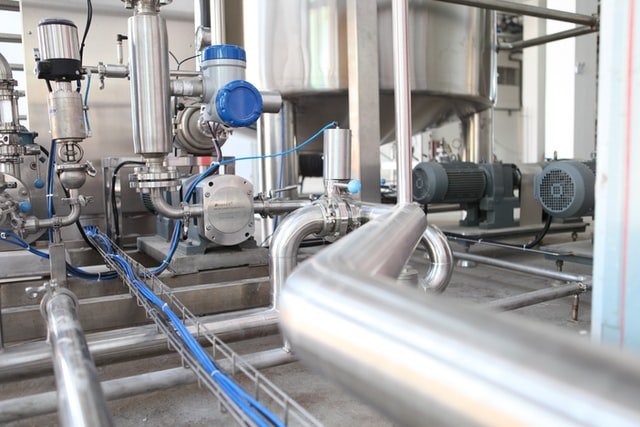
Equipment downtime and malfunctions are major causes of yield loss. Implementing a robust preventive maintenance program ensures machines operate at peak performance. Regular inspections, timely repairs, and scheduled part replacements reduce unexpected breakdowns and improve consistency.
Upgrading to modern, automated machinery can also enhance precision and reduce human error. For practical tips on maintaining your assets, refer to the guide on how to improve machine maintenance planning.
3. Enhance Workforce Training and Engagement
Skilled and motivated employees are crucial for achieving high yield. Provide ongoing training on best practices, safety protocols, and new technologies. Encourage open communication so workers can report issues or suggest improvements.
Recognizing and rewarding high performance fosters a culture of accountability and continuous improvement. When everyone understands the importance of quality, defects and rework are minimized.
Leveraging Data and Technology for Yield Improvement
Digital transformation is reshaping manufacturing. Data-driven decision-making enables companies to identify trends, predict problems, and optimize processes in real time.
4. Implement Real-Time Monitoring Systems
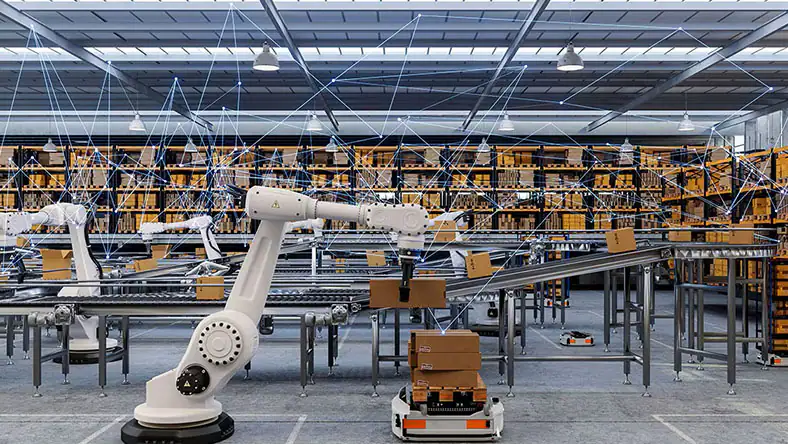
Installing sensors and Industrial Internet of Things (IIoT) devices on production lines provides instant feedback on machine status, product quality, and process variables. This visibility allows for rapid response to deviations and supports proactive maintenance.
Advanced analytics can reveal hidden patterns and root causes of yield loss. By integrating production data with quality management systems, manufacturers can make informed adjustments and prevent recurring issues.
5. Standardize Workflows and Quality Checks
Consistency is key to high yield. Develop and document standardized operating procedures (SOPs) for every process. Ensure that all operators follow the same steps and use the same criteria for quality checks.
Automated inspection systems, such as machine vision, help detect defects early and maintain uniform standards. Regularly review and update SOPs to reflect process improvements or changes in materials.
Reducing Waste and Rework to Increase Yield
Minimizing scrap and rework is essential for boosting output. Focus on root cause analysis to address recurring defects. Use tools like the 5 Whys or fishbone diagrams to systematically investigate and resolve quality issues.
Involving cross-functional teams in problem-solving brings diverse perspectives and leads to more effective solutions. Track defect rates and rework costs to measure the impact of corrective actions.
Facility Layout and Material Handling Considerations
The physical arrangement of equipment, workstations, and material flow can significantly influence yield. Poor layout leads to unnecessary movement, increased handling, and higher risk of damage or contamination.
Optimizing factory layout not only improves efficiency but also supports better quality control. For detailed guidance, review the article on how to improve factory layout for better efficiency.
Continuous Improvement and Benchmarking
Sustained yield improvement relies on a culture of continuous improvement. Regularly benchmark your performance against industry standards or similar facilities. Use metrics such as yield percentage, defect rate, and overall equipment effectiveness to track progress.
Encourage feedback from operators, supervisors, and quality teams. Small, incremental changes often add up to significant gains over time.
External Resources for Manufacturing Efficiency
Staying informed about the latest trends and best practices is essential. For additional strategies, explore this comprehensive guide to improving manufacturing efficiency that covers a range of process and technology solutions.
Frequently Asked Questions
What are the most common causes of low production yield?
The most frequent issues include equipment malfunctions, inconsistent raw materials, inadequate operator training, and poorly defined processes. Addressing these areas through maintenance, quality control, and process optimization can significantly increase output quality.
How can technology help manufacturers achieve higher yield?
Technology enables real-time monitoring, predictive maintenance, and automated quality checks. By leveraging data analytics and IIoT solutions, manufacturers can quickly identify and correct sources of waste or defects, leading to higher yield.
Why is continuous improvement important for maintaining high yield?
Manufacturing environments are dynamic, with changing materials, equipment, and customer requirements. Continuous improvement ensures that processes remain efficient and effective, helping companies adapt and sustain high levels of output quality over time.