
Enhancing the arrangement of equipment, workstations, and material flow within a manufacturing facility is a proven way to boost productivity and reduce operational costs. A well-organized floor plan minimizes wasted movement, streamlines processes, and supports higher output with fewer resources. For manufacturers looking to stay competitive, understanding how to improve factory layout is essential for achieving operational excellence and meeting customer demands efficiently.
Whether you’re planning a new facility or optimizing an existing one, the right strategies can lead to significant gains in efficiency, safety, and employee satisfaction. This article explores practical steps, proven methods, and key considerations for transforming your production environment.
If you’re interested in broader strategies for manufacturing productivity, you may also find value in our guide on how to reduce production waste, which covers complementary approaches to efficiency.
Key Principles for Optimizing Factory Floor Plans
The foundation of an effective production environment rests on a few fundamental principles. By focusing on these, manufacturers can ensure their facility supports both current needs and future growth.
- Minimize Material Handling: Arrange equipment and workstations to reduce unnecessary movement of materials, parts, and finished goods.
- Streamline Workflow: Design processes to follow a logical, linear path that avoids backtracking or bottlenecks.
- Maximize Space Utilization: Use available floor space efficiently, ensuring that aisles and storage areas are neither overcrowded nor underused.
- Enhance Flexibility: Plan layouts that can adapt to changes in product mix, volume, or technology.
- Prioritize Safety and Ergonomics: Ensure clear walkways, proper lighting, and ergonomic workstations to protect employees and reduce fatigue.
Assessing Your Current Layout for Efficiency Gains
Before making changes, it’s crucial to evaluate how your current setup performs. Start by mapping out the entire production process, from raw material intake to product shipment. Identify areas where materials or workers travel excessive distances, where congestion occurs, or where work-in-progress accumulates.
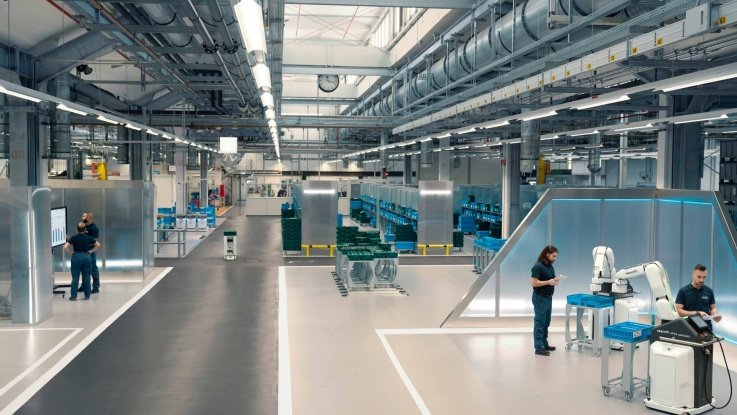
Use tools such as spaghetti diagrams, value stream mapping, or time-motion studies to visualize movement and pinpoint inefficiencies. Engage employees in the assessment process—they often have valuable insights into daily obstacles and improvement opportunities.
Strategies to Enhance Production Layout
Once you’ve identified areas for improvement, consider these proven strategies to boost efficiency:
Implement Lean Manufacturing Principles
Lean methodologies focus on eliminating waste and optimizing flow. Techniques like 5S (Sort, Set in order, Shine, Standardize, Sustain) help maintain organized, clutter-free workspaces. Cellular manufacturing—grouping machines and processes by product family—can further reduce travel distances and setup times.
Adopt Flexible Layouts for Changing Needs
In today’s dynamic market, adaptability is key. Modular workstations, mobile equipment, and reconfigurable lines allow you to respond quickly to new products or volume changes. This flexibility supports continuous improvement and long-term growth.
Leverage Technology and Automation
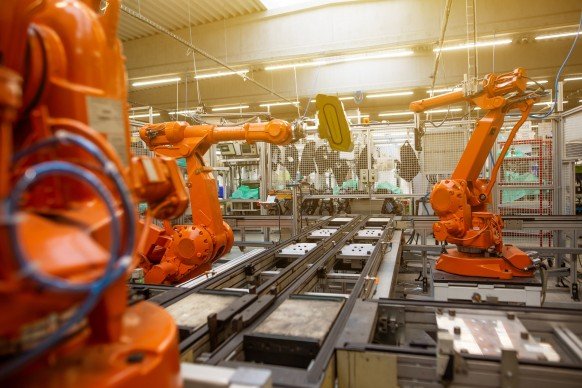
Integrating automation, robotics, and digital monitoring systems can streamline repetitive tasks and provide real-time data for ongoing optimization. Automated guided vehicles (AGVs) and conveyor systems can efficiently move materials, freeing up workers for higher-value activities.

Common Pitfalls and How to Avoid Them
Even with the best intentions, certain mistakes can undermine layout improvements:
- Overlooking Employee Input: Failing to involve frontline staff can result in impractical designs and resistance to change.
- Ignoring Future Needs: Designing solely for current operations may require costly rework as business evolves.
- Neglecting Maintenance Access: Crowded layouts can hinder equipment servicing, leading to increased downtime.
- Underestimating Change Management: Successful implementation requires training, communication, and ongoing support.
Measuring the Impact of Layout Improvements
After making changes, it’s important to track key performance indicators (KPIs) to ensure your efforts deliver results. Useful metrics include:
- Production throughput (units produced per hour/day)
- Cycle time (time required to complete one unit)
- Material handling costs
- Employee travel distance
- Work-in-progress inventory
- Downtime and maintenance frequency
Regularly review these metrics and solicit feedback from team members to identify further opportunities for refinement. Continuous improvement is a hallmark of world-class manufacturing.
Integrating Layout Optimization with Broader Efficiency Initiatives
Enhancing your facility’s arrangement is most effective when combined with other operational strategies. For instance, integrating layout changes with how to improve production efficiency initiatives can amplify results. Similarly, adopting production efficiency best practices ensures that workflow improvements align with quality, safety, and sustainability goals.
For additional insights, explore resources on improving productivity and efficiency in manufacturing to see how leading organizations are leveraging technology and process optimization.
Frequently Asked Questions
What are the main benefits of optimizing a factory’s layout?
Improving the arrangement of your facility can lead to higher productivity, reduced operational costs, better safety, and increased employee satisfaction. A streamlined layout minimizes wasted motion, shortens lead times, and supports consistent product quality.
How often should a factory layout be reviewed or updated?
It’s wise to assess your layout at least annually, or whenever there are significant changes in product mix, production volume, or technology. Regular reviews help ensure your facility remains efficient and adaptable to evolving business needs.
What tools can help analyze and redesign a factory layout?
Common tools include spaghetti diagrams for mapping movement, value stream mapping for process analysis, and simulation software for testing new layouts virtually. Employee feedback and time-motion studies are also valuable for identifying bottlenecks and improvement opportunities.
How can layout changes impact safety?
A well-designed floor plan improves visibility, reduces congestion, and ensures clear pathways, all of which contribute to a safer working environment. Incorporating ergonomic principles also helps prevent injuries and reduces fatigue.
Conclusion
Transforming your production environment through thoughtful layout design is a practical, high-impact way to achieve better efficiency. By applying proven principles, leveraging technology, and fostering a culture of continuous improvement, manufacturers can unlock significant gains in productivity and competitiveness. Remember to involve your team, measure results, and adapt as your business evolves for lasting success.