
In today’s competitive manufacturing landscape, improving production cost efficiency is a top priority for businesses aiming to maintain profitability and stay ahead. Reducing waste, optimizing resources, and streamlining processes are essential steps for any organization seeking to lower operational expenses without sacrificing quality or output. Whether you manage a large factory or a small production line, understanding the key strategies for cost control can make a significant difference to your bottom line.
This article explores practical methods to enhance cost efficiency in manufacturing environments. You’ll find actionable insights on process optimization, technology adoption, workforce management, and more. For a deeper dive into related concepts, such as maximizing equipment utilization, see overall equipment effectiveness explained.
Understanding the Drivers of Manufacturing Costs
Before implementing any cost-saving measures, it’s important to identify the main contributors to production expenses. These typically include:
- Raw materials: The cost and quality of inputs directly affect overall expenses.
- Labor: Wages, benefits, and training costs for staff and operators.
- Equipment and maintenance: Investments in machinery, repairs, and downtime losses.
- Energy consumption: Power, water, and other utilities required for operations.
- Overhead: Administrative, facility, and indirect costs.
- Waste and scrap: Inefficiencies leading to unusable output or rework.
By analyzing these areas, organizations can pinpoint where inefficiencies exist and prioritize improvements for the greatest impact.
Key Strategies to Boost Cost Efficiency in Production
There are several proven approaches to drive down manufacturing costs while maintaining or even enhancing product quality. Here are some of the most effective methods.
Process Optimization and Lean Manufacturing
Adopting lean principles is one of the most effective ways to enhance production cost efficiency. Lean manufacturing focuses on eliminating waste, reducing unnecessary steps, and continuously improving workflows. Techniques such as value stream mapping, 5S, and just-in-time inventory can help identify bottlenecks and streamline operations.
For example, reorganizing the shop floor or redesigning workflows can reduce travel time for materials and workers. For more on this, explore how to improve factory layout for better efficiency.
Embracing Automation and Smart Technologies
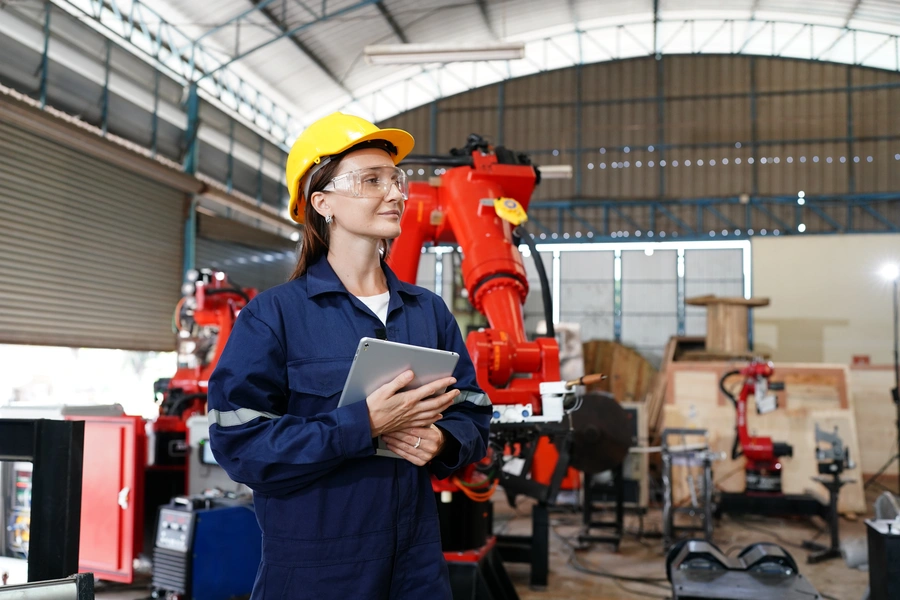
Integrating automation and digital solutions can significantly reduce labor costs, minimize errors, and boost throughput. Robotics, machine vision, and IoT sensors enable real-time monitoring and data-driven decision-making. These technologies help manufacturers identify inefficiencies early and optimize equipment performance.
Automation doesn’t just cut costs—it also improves consistency and allows staff to focus on higher-value tasks. For a step-by-step approach to increasing efficiency with technology, see this guide to improving manufacturing efficiency.
Effective Maintenance and Asset Management
Equipment downtime is a major source of hidden costs in production. Implementing a proactive maintenance plan, such as predictive or preventive maintenance, helps avoid unexpected breakdowns and extends the lifespan of machinery. Regular inspections, timely repairs, and data-driven maintenance schedules can keep assets running smoothly and reduce costly interruptions.
For practical advice on this topic, check out how to improve machine maintenance planning.
Optimizing Resource Utilization
Making the most of available resources is crucial for sustainable cost savings. Here’s how to maximize efficiency in key areas:
- Material management: Use inventory control systems to track usage, reduce overstocking, and minimize waste. Implementing just-in-time delivery can lower storage costs and prevent obsolescence.
- Energy efficiency: Upgrade to energy-efficient equipment, optimize machine settings, and monitor consumption to identify savings opportunities. Simple actions like shutting down idle machines can also make a difference.
- Labor allocation: Cross-train employees and use flexible staffing models to adapt to changing production needs. This ensures the right number of workers are available at the right time, reducing overtime and idle time.
Measuring and tracking resource utilization is essential. Consider adopting metrics such as Overall Equipment Effectiveness (OEE) to monitor performance and identify areas for improvement. For more on this, refer to how to improve equipment effectiveness.
Continuous Improvement and Employee Engagement
Sustained cost efficiency requires a culture of ongoing improvement. Encourage employees at all levels to contribute ideas for process enhancements and cost reduction. Regular training, open communication, and recognition of achievements foster a sense of ownership and motivation.
Establishing clear goals, tracking progress, and celebrating milestones can help maintain momentum. Involving staff in problem-solving not only uncovers valuable insights but also boosts morale and retention.
Monitoring, Measurement, and Adjustment
To ensure that cost-saving initiatives deliver results, it’s important to set measurable targets and monitor progress regularly. Use key performance indicators (KPIs) such as production yield, cycle time, and defect rates to evaluate effectiveness.
Regularly review data, gather feedback, and adjust strategies as needed. This agile approach enables organizations to respond quickly to changing market conditions and maintain a competitive edge.
For further reading on streamlining operations, see how to improve production flow in manufacturing.
FAQ
What are the most common causes of high production costs?
The main contributors include inefficient processes, equipment downtime, excessive waste, high labor expenses, and poor inventory management. Addressing these areas can lead to significant cost reductions.
How can automation help reduce manufacturing expenses?
Automation minimizes manual labor, reduces errors, and increases throughput. By using robotics and smart technologies, manufacturers can achieve consistent quality and lower operational costs over time.
Why is employee involvement important for cost efficiency?
Engaged employees are more likely to identify inefficiencies and suggest improvements. Their hands-on experience provides valuable insights that can lead to practical cost-saving solutions and foster a culture of continuous improvement.