
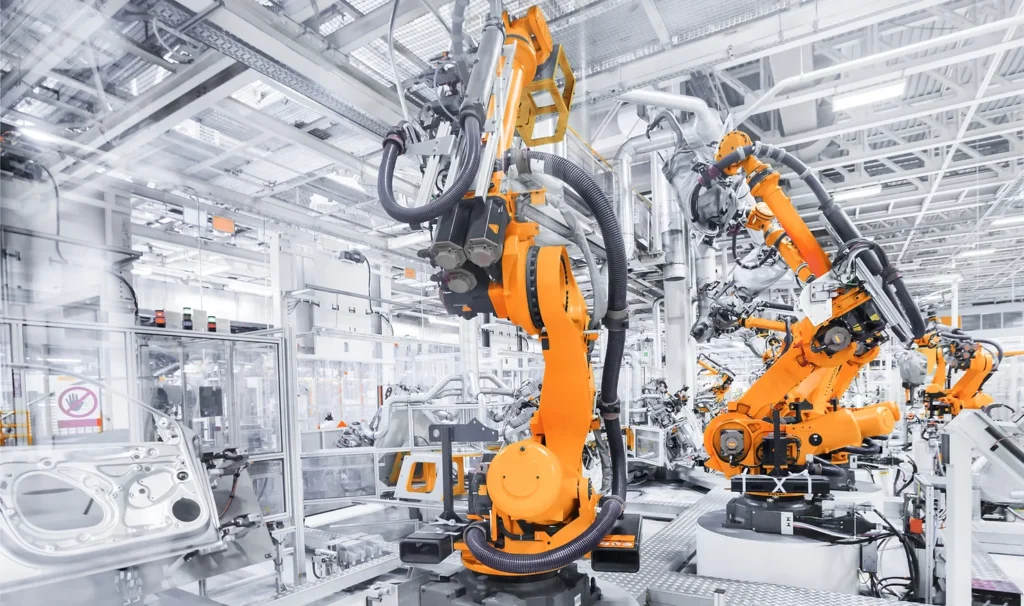
Efficient production planning is crucial for manufacturers aiming to reduce costs, optimize resources, and meet customer demands consistently. As industries face increasing pressure to deliver quality products faster and more flexibly, exploring ways to improve production planning becomes essential for staying competitive. By adopting proven strategies and leveraging modern technologies, organizations can streamline workflows, minimize bottlenecks, and achieve greater operational agility.
This article explores practical approaches to enhance planning processes, from embracing digital tools to fostering collaboration across teams. For those interested in the role of traceability and data-driven manufacturing, the article on traceability in ai-driven manufacturing offers valuable insights into how tracking materials and processes can further support efficient operations.
Embracing Digital Solutions for Smarter Planning
One of the most effective methods to boost planning efficiency is the adoption of digital tools. Modern production environments benefit greatly from Manufacturing Execution Systems (MES), Enterprise Resource Planning (ERP) software, and advanced scheduling platforms. These solutions centralize data, automate routine tasks, and provide real-time visibility into operations.
By integrating digital systems, planners can quickly analyze inventory levels, track order statuses, and adjust schedules in response to unexpected changes. Automated alerts and dashboards help identify potential delays or resource shortages before they escalate, allowing for proactive decision-making. As a result, digital transformation not only streamlines planning but also supports continuous improvement across the production lifecycle.

Enhancing Collaboration and Communication
Efficient planning is not just about technology; it also relies on strong communication between departments. When production, procurement, sales, and logistics teams work in silos, misalignments and delays are more likely. Establishing regular cross-functional meetings and using collaborative platforms ensures that everyone stays informed about changes in demand, supply constraints, or equipment availability.
Clear communication channels help teams respond quickly to disruptions, adjust priorities, and share feedback on process improvements. Encouraging a culture of transparency and shared responsibility leads to better alignment and more reliable production schedules.
Leveraging Data Analytics for Informed Decisions
Data-driven decision-making is a cornerstone of modern production planning. By collecting and analyzing data from machines, operators, and supply chains, organizations can uncover patterns that reveal inefficiencies or recurring issues. Predictive analytics can forecast demand fluctuations, equipment maintenance needs, and supply chain risks, enabling planners to make more accurate and agile decisions.
For example, analyzing historical production data may highlight frequent bottlenecks or downtime periods. Planners can then adjust schedules, allocate resources differently, or implement preventive maintenance to address these challenges. Data analytics also supports continuous improvement initiatives, driving long-term gains in efficiency and reliability.
Optimizing Resource Allocation and Inventory Management
Effective resource allocation is fundamental to improving planning outcomes. This involves ensuring that materials, labor, and equipment are available where and when needed, without excess or shortages. Techniques such as Just-In-Time (JIT) inventory, lean manufacturing principles, and capacity planning help organizations strike the right balance between efficiency and flexibility.
Regularly reviewing inventory levels and production forecasts allows planners to adjust orders and minimize waste. Advanced inventory management systems can automate reordering processes and provide real-time insights into stock movements. By aligning resource allocation with actual demand, manufacturers can reduce carrying costs and avoid production stoppages.
Continuous Improvement and Employee Training
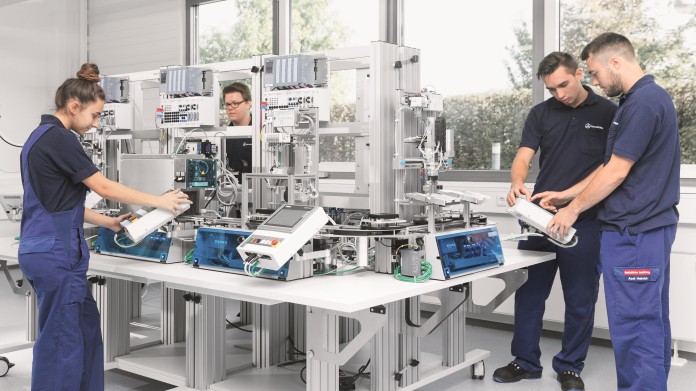
Sustained gains in planning efficiency require a commitment to ongoing improvement. Regularly reviewing processes, gathering feedback from frontline staff, and benchmarking against industry standards help identify areas for enhancement. Implementing lean methodologies, such as Kaizen or Six Sigma, encourages a culture of incremental progress and problem-solving.
Employee training is equally important. Well-trained staff can operate planning tools effectively, interpret data accurately, and respond to changes with confidence. Investing in professional development ensures that teams remain adaptable and capable of supporting evolving production strategies.
For organizations looking to further enhance their planning through advanced technologies, exploring vision transformers for industrial use can provide insights into how AI-driven inspection and automation are shaping the future of manufacturing.
Integrating Quality Control into Planning Processes
Quality assurance should be embedded within the planning phase, not treated as an afterthought. By aligning quality control checkpoints with production schedules, manufacturers can detect defects early and reduce the risk of costly rework or recalls. Automated inspection systems and standardized procedures help maintain consistent quality while minimizing manual intervention.
Integrating quality data with planning tools enables real-time feedback loops, allowing planners to adjust processes in response to quality trends. This proactive approach supports both efficiency and customer satisfaction.
Adapting to Market Changes with Agile Planning
The ability to adapt quickly to changing market conditions is a key differentiator for modern manufacturers. Agile planning methodologies prioritize flexibility, enabling organizations to respond rapidly to shifts in demand, supply chain disruptions, or new product introductions. Scenario planning and contingency strategies help teams prepare for uncertainties and minimize the impact of unexpected events.
Regularly updating forecasts and maintaining open communication with suppliers and customers further enhances agility. This approach ensures that production plans remain aligned with real-world conditions, supporting both efficiency and resilience.
For more detailed strategies on boosting planning and control, the guide to improving the efficiency of production planning and control offers actionable tips and industry best practices.
FAQ: Improving Production Planning in Practice
What are the main benefits of optimizing production planning?
Enhancing planning processes leads to reduced operational costs, improved resource utilization, shorter lead times, and higher customer satisfaction. It also enables organizations to respond more effectively to market changes and maintain a competitive edge.
How can digital tools support better planning outcomes?
Digital solutions centralize information, automate scheduling, and provide real-time visibility into operations. This allows planners to make informed decisions quickly, reduce manual errors, and adapt to changes with greater agility.
Why is cross-department collaboration important for planning efficiency?
Collaboration ensures that all stakeholders are aligned on priorities, constraints, and changes. It reduces the risk of miscommunication, prevents delays, and supports more accurate and reliable production schedules.