
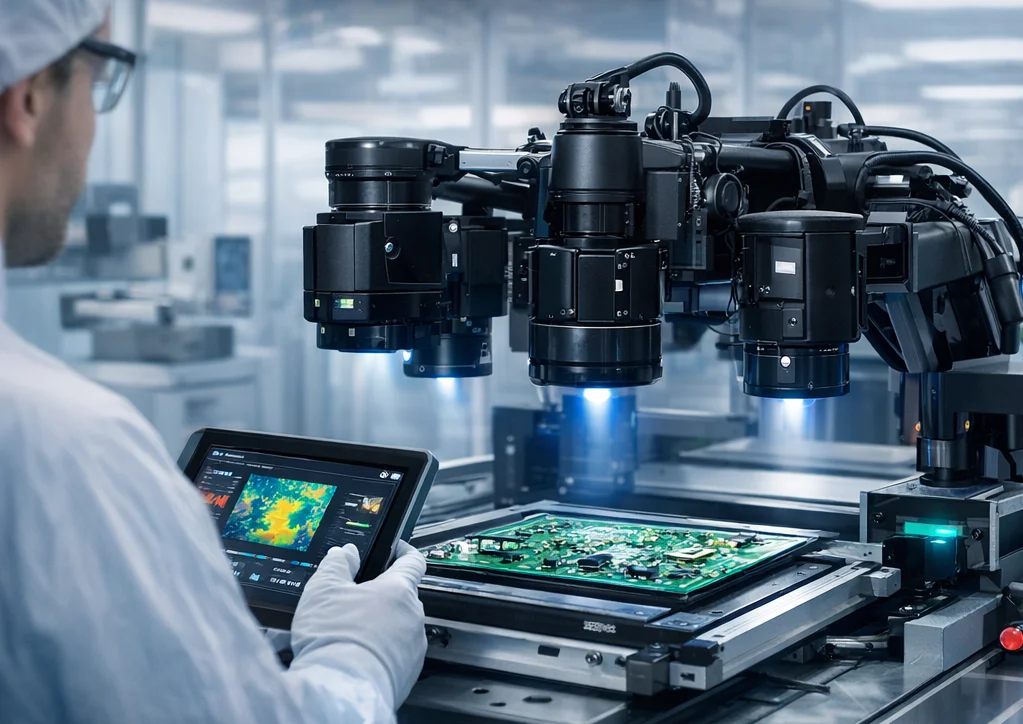
The rapid evolution of artificial intelligence is transforming how industries approach visual inspection, quality control, and automation. Among the most promising advancements are vision transformers for industrial use, a new class of deep learning models that have redefined what’s possible in computer vision. By leveraging transformer architectures originally designed for natural language processing, these models now deliver state-of-the-art performance for complex image analysis tasks across manufacturing, logistics, and beyond.
As industries seek to improve efficiency, reduce errors, and adapt to ever-increasing demands for quality, the adoption of advanced AI vision systems is accelerating. For those interested in how these technologies impact food production, food safety monitoring with AI vision offers a practical perspective on real-world applications.
Understanding Vision Transformers in Industrial Applications
Traditional computer vision systems have long relied on convolutional neural networks (CNNs) to process and interpret images. While effective, CNNs can struggle with tasks requiring a global understanding of visual data, especially in environments with high variability or subtle defects. Vision transformers address these challenges by using self-attention mechanisms, allowing them to capture both local and global features within an image.
In industrial settings, this means more accurate detection of defects, improved classification of products, and enhanced adaptability to new inspection tasks. Factories deploying these models can automate processes that previously required manual oversight, resulting in faster throughput and higher consistency.
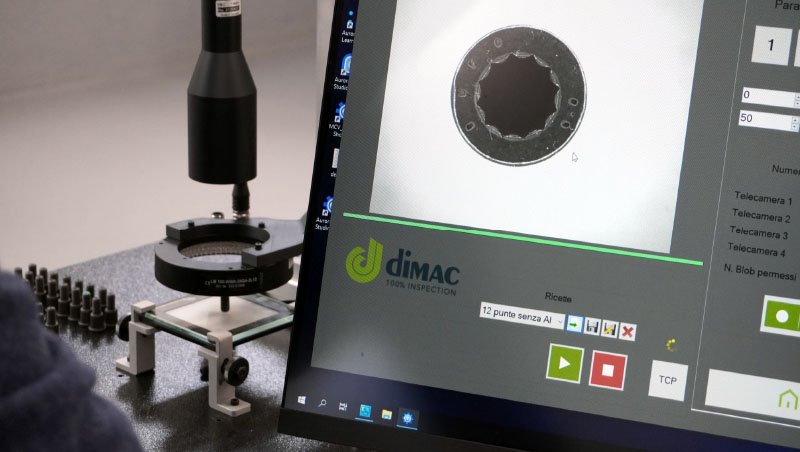
Key Benefits of Adopting Vision Transformers in Industry
The integration of vision transformers for industrial use brings a range of tangible benefits:
- Superior Accuracy: Transformers excel at identifying subtle anomalies and complex patterns, reducing false positives and negatives.
- Scalability: These models can be retrained or fine-tuned for new tasks with minimal data, supporting rapid adaptation to changing production lines.
- Robustness: Vision transformers handle variations in lighting, orientation, and background noise better than many conventional models.
- Reduced Manual Intervention: Automated inspection powered by transformers minimizes the need for human oversight, freeing up skilled workers for higher-value tasks.
- Data Efficiency: With transfer learning, vision transformers can leverage pre-trained weights, requiring less annotated data for new applications.
For a deeper dive into how AI is transforming quality control, consider reading about the benefits of AI for quality control in manufacturing.
Real-World Use Cases for Vision Transformers
The practical impact of these advanced models is already evident in several industrial domains:
- Manufacturing Quality Control: Automated inspection systems powered by vision transformers can detect surface defects, assembly errors, and missing components with high precision. This is especially valuable in electronics, automotive, and pharmaceutical manufacturing.
- Food and Beverage Inspection: Ensuring product consistency and safety is critical. Vision transformers enable rapid identification of contamination, foreign objects, or packaging defects, supporting compliance and consumer trust.
- Logistics and Sorting: In warehouses and distribution centers, these models help automate package sorting, barcode reading, and damage detection, streamlining supply chain operations.
- Predictive Maintenance: By analyzing images from industrial cameras, vision transformers can identify early signs of wear or malfunction in equipment, reducing downtime and maintenance costs.

Integrating Vision Transformers with Industrial Cameras and IoT
The effectiveness of vision transformers is amplified when combined with high-quality imaging hardware and connected factory systems. Advanced role of industrial cameras in AI systems ensures that the data fed into transformer models is clear, consistent, and reliable. This synergy enables more accurate analysis and faster decision-making.
Furthermore, integrating these AI models with IoT platforms allows for real-time monitoring and adaptive control of production lines. Insights generated by vision transformers can trigger automated responses, such as removing defective products or adjusting machine parameters, leading to smarter and more resilient operations.
Challenges and Considerations for Industrial Adoption
While the advantages are significant, deploying vision transformers in industrial environments does come with challenges:
- Computational Demands: Transformer models are resource-intensive, often requiring powerful GPUs or edge AI hardware for real-time inference.
- Data Privacy and Security: Handling sensitive production data requires robust cybersecurity measures and compliance with industry regulations.
- Integration Complexity: Retrofitting existing production lines with new AI systems can be complex, necessitating careful planning and skilled personnel.
- Change Management: Successful adoption depends on training staff, updating workflows, and ensuring buy-in from all stakeholders.
For those interested in reducing errors in automated inspection, strategies for how to reduce false rejects with AI can further enhance the value of vision transformer deployments.
Future Trends in AI Vision for Industry
The trajectory for vision transformers for industrial use points toward even greater integration and capability. As hardware becomes more affordable and efficient, expect to see these models deployed at the edge, enabling real-time analysis directly on the factory floor. Advances in transfer learning and self-supervised training will further reduce the need for large labeled datasets, making AI vision accessible to a broader range of industries.
Additionally, the convergence of AI vision with IoT and cloud platforms will enable predictive analytics, remote monitoring, and continuous optimization of industrial processes. Companies that embrace these innovations will be well-positioned to lead in quality, efficiency, and adaptability.
Frequently Asked Questions
What makes vision transformers different from traditional CNNs in industrial inspection?
Vision transformers use self-attention mechanisms to analyze entire images holistically, capturing both local and global features. This allows them to detect subtle defects and complex patterns that conventional CNNs might miss, resulting in more accurate and robust inspection outcomes.
Are vision transformers suitable for real-time industrial applications?
Yes, with the right hardware such as edge AI devices or GPUs, vision transformers can process images in real time. Their efficiency continues to improve as new model architectures and hardware accelerators are developed, making them increasingly practical for time-sensitive industrial tasks.
How can companies start integrating vision transformers into their existing systems?
Integration typically begins with pilot projects, where vision transformers are trained on representative datasets and evaluated alongside existing inspection methods. Collaboration with AI solution providers and investment in compatible imaging hardware are key steps. Training staff and updating workflows ensures a smooth transition and maximizes return on investment.
Conclusion
The adoption of vision transformers for industrial use marks a significant leap forward in automated inspection and quality assurance. By combining advanced AI models with robust imaging and IoT integration, industries can achieve higher accuracy, efficiency, and adaptability. As the technology matures, its impact will only grow, setting new standards for performance and reliability in industrial vision systems.