
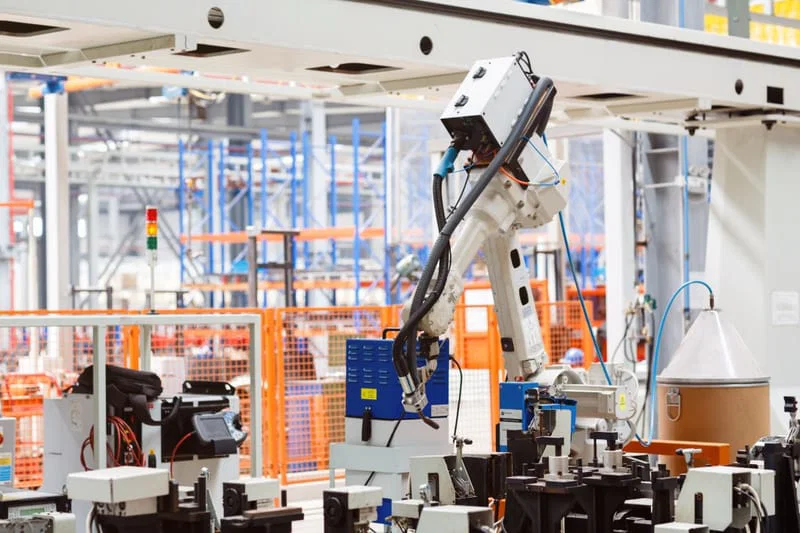
Streamlining processes on the factory floor is essential for companies aiming to stay competitive and deliver high-quality products efficiently. As manufacturing environments become more complex, organizations are increasingly focused on improving workflow in manufacturing to boost productivity, reduce waste, and enhance overall output. This article explores practical strategies, modern technologies, and proven methodologies that can help manufacturing teams achieve smoother operations and greater results.
For those interested in the role of artificial intelligence and data in production environments, you may also find value in learning about traceability in ai-driven manufacturing, which highlights how digital solutions can support end-to-end process visibility.
Understanding Manufacturing Workflow Optimization
At its core, workflow optimization in manufacturing refers to the systematic approach of analyzing, refining, and automating production processes to ensure the smooth movement of materials, information, and tasks. The goal is to minimize bottlenecks, reduce downtime, and maximize throughput without compromising on quality or safety.
A well-optimized workflow not only accelerates production but also supports better resource allocation, cost savings, and improved employee satisfaction. By identifying areas of inefficiency and implementing targeted improvements, manufacturers can create a more agile and resilient operation.
Key Strategies for Streamlining Production Processes
There are several actionable steps organizations can take to enhance their manufacturing workflows. Here are some of the most effective strategies:
- Process Mapping and Analysis: Start by documenting every step in the production process. Use flowcharts or digital tools to visualize how materials and information move through the system. This helps uncover redundancies, unnecessary steps, or delays.
- Lean Manufacturing Principles: Adopting lean methodologies such as 5S, Kaizen, and value stream mapping can help eliminate waste, standardize work, and foster a culture of continuous improvement.
- Automation and Technology Integration: Introducing automation, robotics, and digital monitoring systems can significantly reduce manual errors and speed up repetitive tasks. For example, automated inspection systems can ensure consistent quality checks without slowing down production lines.
- Employee Training and Engagement: Empowering workers with the right skills and involving them in problem-solving initiatives can lead to innovative solutions and higher morale.
- Data-Driven Decision Making: Collecting and analyzing production data enables managers to make informed decisions, quickly identify issues, and track the impact of workflow changes.
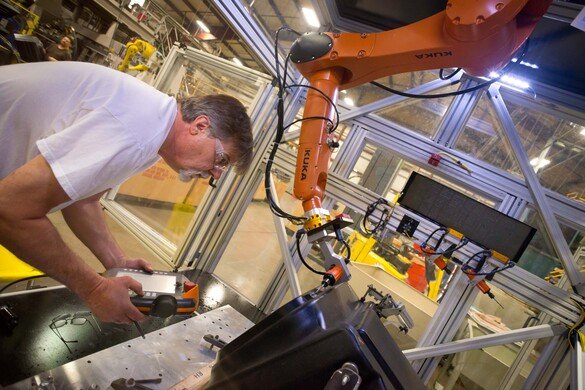
Leveraging Digital Tools for Enhanced Efficiency
Modern manufacturing facilities are increasingly turning to digital solutions to support improving workflow in manufacturing. These tools provide real-time visibility, predictive analytics, and seamless communication across departments.
Examples of digital tools that can transform production workflows include:
- Manufacturing Execution Systems (MES): These platforms track and document the transformation of raw materials into finished goods, ensuring traceability and compliance.
- Enterprise Resource Planning (ERP): Integrating ERP systems helps synchronize supply chain, inventory, and production schedules, reducing delays and stockouts.
- Industrial Internet of Things (IIoT): Connected sensors and devices collect data from machines, enabling predictive maintenance and minimizing unplanned downtime.
- AI-Powered Quality Control: Artificial intelligence can detect defects and anomalies in real time, improving product quality and reducing rework. For more on this, see our article about retraining strategies for ai inspection.
Reducing Bottlenecks and Waste in Production
Identifying and addressing bottlenecks is a critical aspect of workflow improvement. Bottlenecks slow down the entire production line and can lead to increased costs and missed deadlines. Here are some practical steps to tackle these issues:
- Monitor Production Flow: Use digital dashboards to track process times and identify stages where delays frequently occur.
- Balance Workloads: Distribute tasks evenly among workstations to prevent overburdening specific areas.
- Standardize Procedures: Consistent work instructions help reduce variability and errors, making it easier to spot and resolve issues.
- Implement Quick Changeover Techniques: Reducing setup times between production runs increases flexibility and throughput.
For additional insights on optimizing production planning and control, consider this comprehensive guide to improving efficiency in production planning.
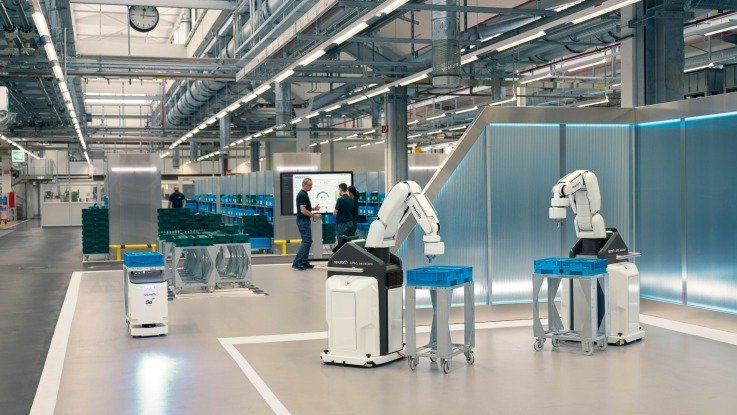
Continuous Improvement and Employee Involvement
Sustainable workflow improvements require a culture of ongoing evaluation and adaptation. Engaging employees at all levels is key to uncovering hidden inefficiencies and generating fresh ideas for process enhancements.
- Encourage Feedback: Create channels for operators and technicians to share observations and suggestions.
- Regular Training: Invest in upskilling employees so they can adapt to new technologies and methods.
- Celebrate Successes: Recognize teams for achieving workflow milestones, which motivates further participation.
Companies that prioritize employee involvement often see faster adoption of new processes and greater resilience in the face of change.
Integrating Quality and Traceability into Workflows
Quality assurance and traceability are integral to efficient manufacturing. By embedding quality checks and traceability measures directly into workflows, manufacturers can quickly identify defects, track root causes, and ensure compliance with industry standards.
Digital traceability solutions, such as those discussed in traceability in ai-driven manufacturing, help organizations monitor every stage of production, from raw materials to finished goods. This not only improves product quality but also streamlines recalls and audits.
FAQ: Common Questions About Workflow Enhancement in Manufacturing
What are the first steps to take when optimizing manufacturing workflows?
Begin by mapping out your current processes in detail. Identify each step, resource, and handoff involved. Gather input from frontline employees to uncover pain points. Once you have a clear picture, prioritize areas with the highest impact potential for improvement, such as bottlenecks or repetitive manual tasks.
How can digital tools support workflow improvements?
Digital tools like MES, ERP, and IIoT platforms provide real-time data, automate routine tasks, and enable predictive maintenance. These technologies help managers make informed decisions, reduce downtime, and ensure consistent quality throughout the production process.
Why is employee engagement important in workflow optimization?
Employees working on the shop floor often have valuable insights into inefficiencies and potential solutions. Involving them in improvement initiatives increases buy-in, accelerates the adoption of new processes, and fosters a culture of continuous improvement.