
Artificial intelligence is rapidly transforming the way industries approach quality control and defect detection. As manufacturing and logistics operations scale, traditional manual inspection methods struggle to keep up with the demand for speed, accuracy, and consistency. This is where AI-driven inspection comes into play, offering a smarter, more scalable solution for identifying defects, ensuring compliance, and optimizing production lines.
Understanding how AI-driven inspection works is crucial for businesses aiming to stay competitive and maintain high standards. This article explores the core technologies, processes, and real-world applications that make automated inspection with artificial intelligence a game-changer. Along the way, we’ll highlight key benefits, challenges, and future trends shaping this innovative field.
For those interested in related advancements, exploring augmented reality in quality audits reveals how visual data overlays are further enhancing inspection accuracy and efficiency.
The Fundamentals of Automated Visual Inspection
At its core, AI-powered inspection leverages machine learning and computer vision to analyze images or sensor data and detect anomalies. Unlike traditional rule-based systems, which rely on fixed thresholds or simple pattern matching, artificial intelligence can learn complex patterns from large datasets, adapting to subtle variations in products or environments.
The process typically involves several key steps:
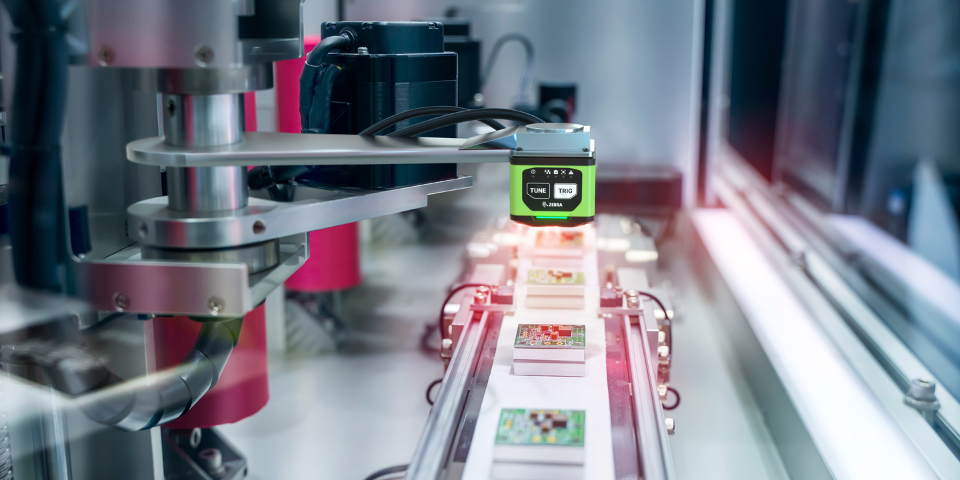
- Data Acquisition: High-resolution cameras or sensors capture images or video streams of products as they move along the production line.
- Preprocessing: The raw data is cleaned, normalized, and sometimes augmented to enhance relevant features and reduce noise.
- Model Inference: Trained AI models—often deep neural networks—analyze the input to identify defects, classify objects, or measure dimensions.
- Decision Making: The system flags anomalies, triggers alerts, or sorts items based on inspection results.
- Feedback Loop: Results can be used to continuously retrain and refine the models, improving accuracy over time.
Key Technologies Behind AI-Driven Quality Control
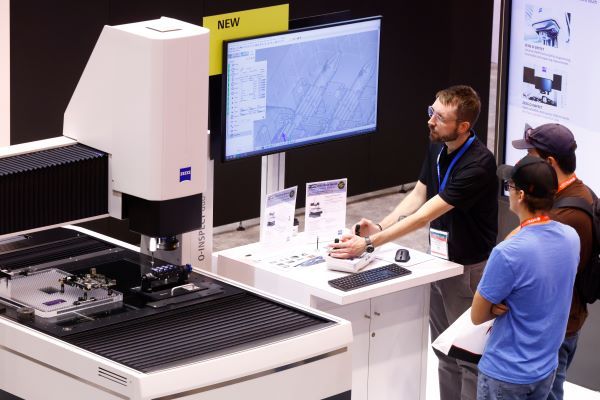
Modern inspection systems rely on a combination of hardware and software innovations. Here are some of the most important components:
- Computer Vision Algorithms: These algorithms interpret visual data, enabling machines to “see” and understand images much like a human inspector would. Deep learning models, such as convolutional neural networks (CNNs), excel at recognizing patterns, textures, and shapes.
- Edge Computing: By processing data locally on the production floor, edge devices reduce latency and bandwidth requirements, making real-time inspection feasible even in high-speed environments.
- Data Annotation and Training: Large, labeled datasets are essential for training accurate models. This step often involves human experts marking examples of defects or acceptable products.
- Integration with IoT: Sensors, cameras, and robotics systems work together to automate data collection and act on inspection results, such as removing defective items from the line.
For those interested in the technical side, optimizing model performance through hyperparameter tuning for inspection models is a key step in achieving reliable results.
How AI-Driven Inspection Works in Real-World Applications
The practical deployment of AI-based inspection spans a wide range of industries, from automotive and electronics to food processing and pharmaceuticals. Here’s how the technology is typically implemented:
- Installation of Cameras and Sensors: Strategic placement ensures comprehensive coverage of products or components as they pass through inspection zones.
- Model Training and Calibration: Initial data is collected and used to train the AI system, teaching it to distinguish between acceptable and defective items.
- Continuous Monitoring: The system operates in real time, analyzing each item and flagging issues instantly. This enables rapid intervention and minimizes waste.
- Reporting and Analytics: Results are logged and visualized, providing valuable insights into defect rates, process bottlenecks, and opportunities for improvement.
For example, in electronics manufacturing, AI inspection can detect microscopic soldering defects that would be nearly impossible for human eyes to spot at scale. In the food industry, it can identify foreign objects or inconsistencies in packaging, ensuring consumer safety and regulatory compliance.

Benefits and Challenges of Automated Inspection Systems
The adoption of AI in inspection processes brings several compelling advantages:
- Increased Accuracy: AI models can detect subtle defects and variations that may be missed by human inspectors, reducing false positives and negatives.
- Scalability: Automated systems can handle large volumes of products without fatigue, making them ideal for high-throughput environments.
- Consistency: Unlike humans, AI systems apply the same criteria to every item, ensuring uniform quality standards.
- Cost Savings: By minimizing rework, scrap, and warranty claims, companies can achieve significant operational savings.
However, there are also challenges to consider:
- Data Requirements: High-quality, annotated datasets are essential for training effective models, which can be time-consuming to create.
- Model Drift: Over time, changes in production processes or materials can reduce model accuracy, requiring ongoing monitoring and retraining. For more on this, see monitoring AI model drift in factories.
- Integration Complexity: Seamlessly connecting AI systems with existing manufacturing infrastructure can pose technical and organizational challenges.
For a broader perspective on the impact of artificial intelligence in manufacturing, this overview of AI quality control in manufacturing provides valuable insights and case studies.
Emerging Trends and Future Directions
The field of AI-powered inspection continues to evolve rapidly. Some of the most promising trends include:
- Vision Transformers: New deep learning architectures, such as vision transformers, are pushing the boundaries of what’s possible in image analysis. Learn more about their industrial applications in vision transformers for industrial use.
- Wearable AI Devices: Smart glasses and other wearables are supporting manual inspectors by overlaying real-time data and guidance, as discussed in wearable AI for manual inspection support.
- Augmented Reality Integration: Combining AI with augmented reality enables inspectors to visualize defects and corrective actions directly on the shop floor.
- Self-Learning Systems: Future inspection platforms will increasingly adapt autonomously, learning from new data and operator feedback to improve over time.
As these technologies mature, the role of human inspectors will shift from repetitive tasks to higher-value activities such as system oversight, exception handling, and process optimization.
FAQ: Common Questions About AI-Driven Inspection
What types of defects can AI-based inspection systems detect?
AI inspection can identify a wide range of issues, including surface scratches, dents, missing components, misalignments, color inconsistencies, and even microscopic flaws. The specific capabilities depend on the quality of training data and the chosen model architecture.
How does AI inspection compare to traditional manual methods?
Compared to manual inspection, AI systems offer greater speed, consistency, and accuracy. While humans may miss subtle or rare defects due to fatigue or subjectivity, AI can analyze every item with the same level of scrutiny, reducing error rates and improving overall quality.
Is it difficult to implement AI-driven inspection in existing factories?
Implementation can vary in complexity. Modern solutions are increasingly modular and can often be integrated with existing cameras and sensors. However, successful deployment requires careful planning, data collection, and ongoing maintenance to ensure models remain accurate as production conditions change.
Conclusion
Understanding the mechanics and benefits of intelligent inspection systems is essential for any organization looking to modernize its quality assurance processes. By leveraging advances in machine learning, computer vision, and edge computing, businesses can achieve higher standards of accuracy, efficiency, and scalability. As the technology continues to evolve, staying informed about the latest trends and best practices will be key to unlocking its full potential.