
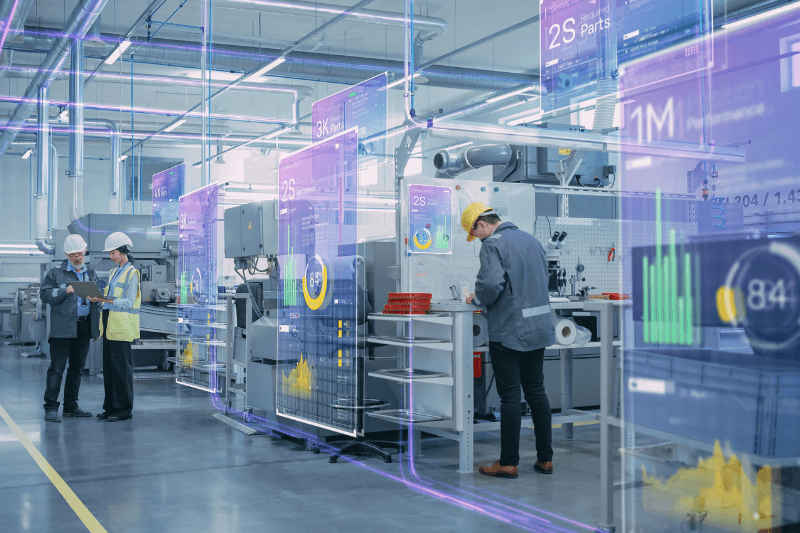
Understanding how to measure production efficiency is essential for manufacturers aiming to optimize output, reduce waste, and stay competitive. Accurate measurement provides the foundation for continuous improvement, cost savings, and higher product quality. Yet, many organizations struggle to identify the right metrics, tools, and processes to assess their operations effectively.
This article explores the most reliable methods, key performance indicators (KPIs), and best practices for evaluating manufacturing efficiency. Whether you manage a large facility or a small production line, implementing the right measurement strategy can unlock significant value. We’ll also highlight how digital transformation and advanced analytics are reshaping the way efficiency is tracked and improved.
For those interested in leveraging advanced technologies, exploring augmented reality in quality audits can provide additional insights into visualizing and improving efficiency metrics.
Understanding the Basics of Production Efficiency
At its core, production efficiency refers to how well a manufacturing process converts inputs (materials, labor, energy) into outputs (finished goods) with minimal waste. High efficiency means more products are produced with fewer resources, while low efficiency indicates bottlenecks, downtime, or excessive waste.
To accurately assess efficiency, it’s important to understand both quantitative and qualitative factors. Quantitative data includes output rates, cycle times, and resource utilization. Qualitative aspects might involve workforce skills, process consistency, and equipment reliability.
Key Metrics for Evaluating Manufacturing Performance
Selecting the right metrics is crucial when determining how to measure production efficiency. The following KPIs are widely used in manufacturing environments:
- Overall Equipment Effectiveness (OEE): Combines availability, performance, and quality to provide a comprehensive view of equipment productivity.
- Yield: Measures the percentage of good units produced versus total units started.
- Cycle Time: The time it takes to complete one production cycle, from start to finish.
- Throughput: The number of units produced in a given period.
- Downtime: Tracks the amount of time equipment or processes are not operational.
- Scrap Rate: The proportion of defective products or wasted materials.
Tracking these KPIs consistently allows teams to pinpoint inefficiencies, benchmark performance, and set realistic improvement targets.
Methods and Tools for Accurate Measurement
Modern manufacturing relies on a mix of manual tracking, automated systems, and digital analytics to monitor efficiency. Here are several proven approaches:
Manual Data Collection
In smaller operations, efficiency can be tracked using spreadsheets, time studies, and direct observation. While this method is cost-effective, it is prone to human error and may not scale well for larger facilities.
Automated Monitoring Systems
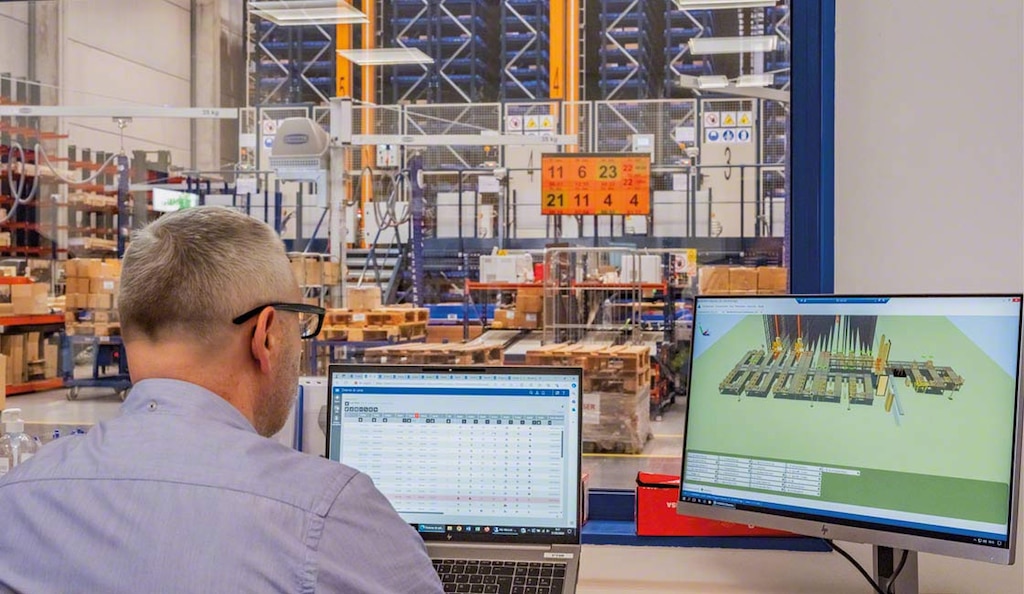
Sensors, programmable logic controllers (PLCs), and machine monitoring software can capture real-time data on equipment status, production counts, and downtime. Automated systems reduce errors and provide timely insights for decision-making.
Production Management Software
Manufacturing Execution Systems (MES) and Enterprise Resource Planning (ERP) platforms integrate data from across the factory floor. These tools offer dashboards, alerts, and analytics to help managers identify trends and respond quickly to issues.
Digital Transformation and Industry 4.0
The rise of Industry 4.0 technologies—such as IoT devices, cloud analytics, and artificial intelligence—has revolutionized the way efficiency is measured. These solutions enable predictive maintenance, real-time optimization, and advanced reporting.

Best Practices for Improving and Sustaining Efficiency
Once you have a reliable measurement system in place, the next step is to use the data to drive continuous improvement. Here are some best practices:
- Set Clear Benchmarks: Use historical data and industry standards to establish realistic efficiency targets.
- Engage Employees: Involve frontline workers in identifying bottlenecks and suggesting improvements.
- Regularly Review Data: Schedule routine reviews of efficiency metrics to spot trends and address issues early.
- Invest in Training: Equip your team with the skills needed to operate new technologies and follow best practices.
- Leverage Technology: Adopt digital tools that provide actionable insights and automate routine monitoring tasks.
For organizations seeking to enhance manual inspection processes, integrating wearable AI for manual inspection support can further improve accuracy and efficiency.
Common Challenges and How to Overcome Them
Even with the right tools, measuring efficiency accurately can be challenging. Common obstacles include:
- Data Silos: Disconnected systems make it difficult to get a complete view of performance.
- Inconsistent Data Entry: Manual processes can lead to errors and unreliable metrics.
- Resistance to Change: Employees may be hesitant to adopt new measurement tools or processes.
- Lack of Real-Time Visibility: Delayed data can result in missed opportunities for improvement.
To address these issues, focus on integrating systems, standardizing data collection, and fostering a culture of continuous improvement. Regular training and clear communication can also help ease transitions to new technologies.
Advanced Strategies for Measuring Efficiency in Modern Factories
As manufacturing evolves, so do the strategies for tracking and enhancing efficiency. Advanced analytics, machine learning, and connected devices are enabling deeper insights and faster responses to performance issues. For example, predictive analytics can forecast maintenance needs, while AI-driven visual inspection systems can detect defects in real time.
Companies that embrace these innovations are better positioned to adapt to market changes, reduce costs, and maintain high quality standards. For a deeper dive into the latest trends, consider reading about vision transformers for industrial use and how they are shaping next-generation manufacturing.
Resources and Further Reading
To expand your understanding of efficiency measurement, the comprehensive guide to production efficiency metrics offers practical examples and case studies from leading manufacturers.
Frequently Asked Questions
What is the most important metric for measuring production efficiency?
While several metrics are valuable, Overall Equipment Effectiveness (OEE) is often considered the gold standard. It combines availability, performance, and quality into a single percentage, providing a holistic view of equipment productivity.
How often should production efficiency be measured?
Efficiency should be tracked continuously, with regular reviews—daily, weekly, or monthly—depending on the scale and complexity of your operations. Real-time monitoring is ideal for quickly identifying and addressing issues.
Can digital tools really improve accuracy in measuring efficiency?
Yes, digital tools such as MES, IoT sensors, and AI-powered analytics significantly enhance the accuracy and timeliness of efficiency data. They minimize human error, provide real-time insights, and enable predictive maintenance and optimization.