
Minimizing rework is essential for manufacturers aiming to improve efficiency, reduce costs, and maintain high product quality. Rework—any action required to correct a product or process after an initial failure—can lead to wasted materials, increased labor costs, production delays, and dissatisfied customers. By focusing on effective ways to reduce rework in manufacturing, organizations can streamline operations and boost overall competitiveness.
This article explores proven strategies to cut down on rework, from process optimization and quality control to leveraging advanced technologies. We’ll also highlight practical steps that manufacturing teams can implement, along with resources for further improvement. For those interested in digital transformation, integrating solutions like augmented reality in quality audits can provide real-time data visualization and enhance inspection accuracy.
Understanding the Impact of Rework on Manufacturing Efficiency
Rework not only increases operational costs but also disrupts production flow and can damage a manufacturer’s reputation. The consequences include:
- Increased labor and material expenses due to repeated work
- Production bottlenecks and missed delivery deadlines
- Potential for further defects if root causes are not addressed
- Lower employee morale and higher turnover rates
Addressing rework requires a holistic approach that targets both the symptoms and underlying causes. By focusing on prevention and continuous improvement, manufacturers can significantly reduce the frequency and impact of rework.
Process Optimization: A Key to Lowering Rework Rates
One of the most effective ways to reduce rework in manufacturing is through process optimization. Streamlining workflows, eliminating unnecessary steps, and standardizing procedures can help prevent errors before they occur.
- Standard Operating Procedures (SOPs): Clearly documented SOPs ensure consistency and reduce the likelihood of mistakes.
- Lean Manufacturing Principles: Adopting lean methodologies helps identify and eliminate waste, including rework.
- Continuous Improvement (Kaizen): Encouraging small, incremental changes empowers employees to identify inefficiencies and suggest improvements.

Quality Control and Inspection Strategies
Robust quality control is essential for catching defects early and preventing them from progressing through the production line. Some practical tactics include:
- In-Process Inspections: Conducting checks at critical stages helps identify issues before they escalate.
- Root Cause Analysis: Investigate recurring problems to address their origins rather than just treating symptoms.
- Employee Training: Well-trained staff are less likely to make errors that result in rework.
Technologies such as wearable AI for manual inspection support can further enhance inspection accuracy and efficiency, reducing the likelihood of missed defects.
Leveraging Technology to Minimize Rework
Modern manufacturing increasingly relies on digital tools and automation to improve accuracy and consistency. Integrating technology is a powerful approach to reducing rework rates:
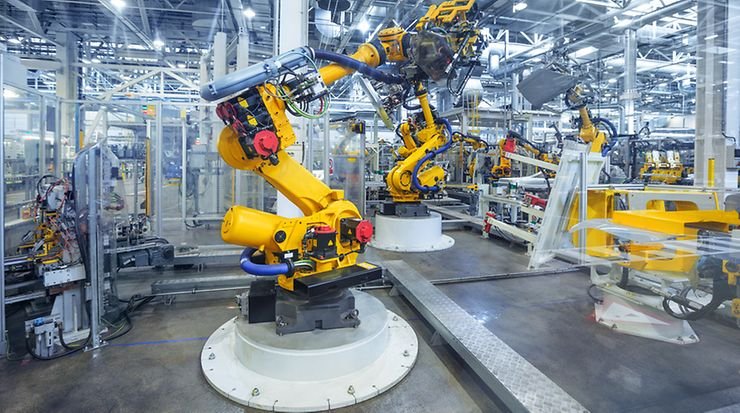
- Automation and Robotics: Automated systems perform repetitive tasks with high precision, reducing human error.
- Industrial IoT (IIoT): Sensors and connected devices provide real-time data for monitoring process health and product quality.
- Artificial Intelligence (AI): AI-powered inspection systems can detect subtle defects that might be missed by human inspectors.

For advanced applications, exploring vision transformers for industrial use can further enhance defect detection and process control.
Employee Engagement and Training for Sustainable Improvement
People are at the heart of any successful manufacturing operation. Engaging employees and providing ongoing training are critical ways to reduce rework in manufacturing environments.
- Regular Skill Development: Training programs keep workers up to date on best practices and new technologies.
- Empowerment: Encouraging staff to report issues and suggest improvements fosters a culture of accountability.
- Cross-Functional Teams: Collaboration between departments helps identify process gaps and share knowledge.
A well-trained, motivated workforce is more likely to spot potential problems early and take proactive steps to prevent rework.
Data-Driven Decision Making and Continuous Monitoring
Collecting and analyzing production data enables manufacturers to identify trends, measure improvement, and make informed decisions. Key actions include:
- Implementing Real-Time Monitoring: Use sensors and analytics to track process performance and detect anomalies.
- Tracking Key Performance Indicators (KPIs): Monitor metrics such as defect rates, rework hours, and first-pass yield.
- Responding to Model Drift: For AI-driven systems, regular monitoring is essential. Learn more about monitoring AI model drift in factories to maintain inspection accuracy over time.
Data-driven approaches help organizations quickly identify when and where rework is occurring, so corrective action can be taken promptly.
Supplier Quality Management and Material Control
Rework is not always caused by internal processes; sometimes, it originates from subpar materials or components. To address this:
- Supplier Audits: Regularly evaluate supplier performance and quality standards.
- Incoming Material Inspection: Check raw materials and components before they enter production.
- Clear Communication: Maintain open lines of communication with suppliers to resolve issues quickly.
Strong supplier relationships and strict material controls help ensure that only quality inputs reach the production floor, reducing the risk of downstream rework.
Optimizing Production Efficiency to Prevent Rework
Improving overall production efficiency is closely linked to minimizing rework. Efficient processes are less prone to errors, and resources are used more effectively. For a comprehensive overview of this topic, refer to what is production efficiency and how to increase it.
By focusing on process optimization, quality control, and continuous improvement, manufacturers can create a more resilient and productive operation.
FAQ: Reducing Rework in Manufacturing
What are the main causes of rework in manufacturing?
Common causes include poor process design, inadequate training, inconsistent material quality, lack of standardized procedures, and insufficient quality control. Addressing these factors is essential for minimizing rework.
How can technology help reduce rework rates?
Technologies such as automation, AI-powered inspection, and real-time monitoring can detect defects early, standardize processes, and provide actionable data. These tools help prevent errors and enable rapid response when issues arise.
Why is employee training important for reducing rework?
Well-trained employees are less likely to make mistakes and more capable of identifying potential problems before they escalate. Ongoing training ensures that staff stay current with best practices and new technologies.
Conclusion
Reducing rework in manufacturing is a multifaceted challenge that requires a strategic approach. By optimizing processes, investing in quality control, leveraging technology, and engaging employees, manufacturers can significantly decrease rework rates. Focusing on these areas not only cuts costs and boosts efficiency but also enhances product quality and customer satisfaction.