
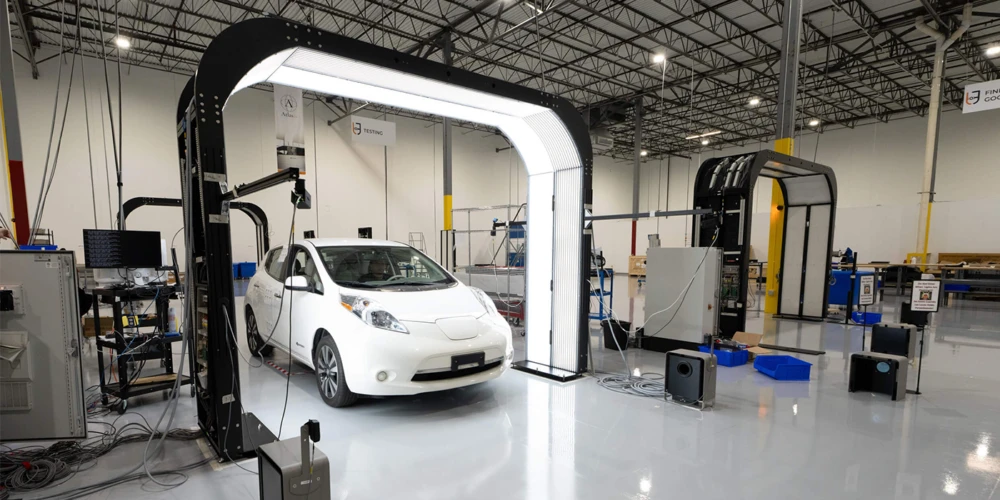
Manufacturing environments demand precision, speed, and reliability. As assembly lines grow more complex, the risk of human error rises, potentially leading to costly defects, recalls, and reputational harm. AI for assembly verification steps is transforming how factories ensure quality, using advanced algorithms to detect mistakes early and automate inspections. This article explores how artificial intelligence is reshaping assembly verification, the benefits it brings, and best practices for implementation.
Before diving into the technical details, it’s worth noting that AI-driven inspection is part of a broader digital transformation in manufacturing. For example, technologies like augmented reality in quality audits are already helping teams visualize data and improve decision-making. AI complements these tools by providing real-time, data-driven insights that reduce errors and streamline operations.
Understanding AI-Driven Assembly Verification
At its core, AI for assembly verification steps refers to the use of machine learning, computer vision, and deep learning to monitor, inspect, and validate each phase of the assembly process. Unlike traditional manual inspections, which are prone to oversight and fatigue, AI systems can analyze thousands of data points per second, flagging anomalies with remarkable accuracy.
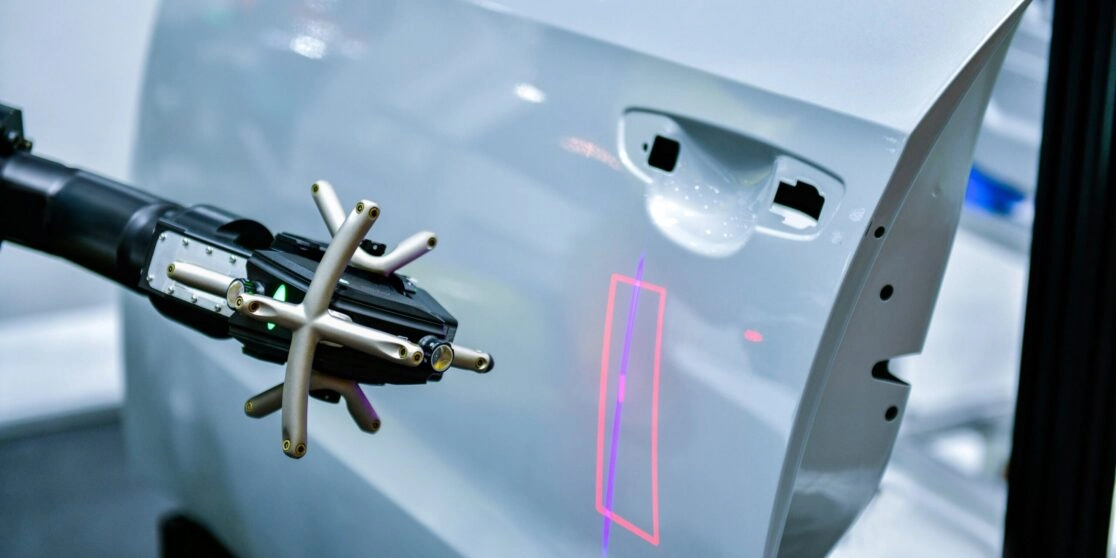
These solutions typically rely on high-resolution cameras, sensors, and neural networks trained on vast datasets of both correct and incorrect assemblies. By comparing real-time images or sensor readings to ideal models, AI can instantly detect missing components, misalignments, incorrect fastenings, or other deviations from the standard.
Key Benefits of Automated Inspection in Manufacturing
Integrating AI-powered verification into assembly lines delivers several advantages:
- Reduced Human Error: Automated systems don’t suffer from fatigue or distraction, ensuring consistent quality checks.
- Faster Detection: AI can process and analyze images or sensor data in real time, identifying issues before products advance to the next stage.
- Cost Savings: Early error detection minimizes waste, rework, and the risk of expensive recalls.
- Scalability: AI systems can be trained to handle new products or variations with minimal downtime.
- Comprehensive Data: Every inspection is logged, providing valuable analytics for process improvement and compliance.
Manufacturers adopting these technologies often see a measurable improvement in yield, reduced downtime, and enhanced customer satisfaction.
How AI for Assembly Verification Steps Works
The process of using AI for assembly verification steps typically involves several stages:
- Data Collection: Cameras and sensors capture images or measurements at each assembly station.
- Preprocessing: Raw data is cleaned, normalized, and prepared for analysis. This may include filtering out noise or adjusting for lighting conditions.
- Model Inference: AI algorithms compare the captured data to reference models, identifying discrepancies such as missing screws, misplaced wires, or incorrect orientations.
- Feedback Loop: When an error is detected, the system can alert operators, stop the line, or trigger automated correction mechanisms.
- Continuous Learning: As more data is collected, the AI model can be retrained to improve accuracy and adapt to new product variants.
This approach enables a closed-loop system where errors are caught and addressed immediately, rather than after the fact.
Real-World Applications and Case Studies
AI-based verification is already making a difference in a range of industries:
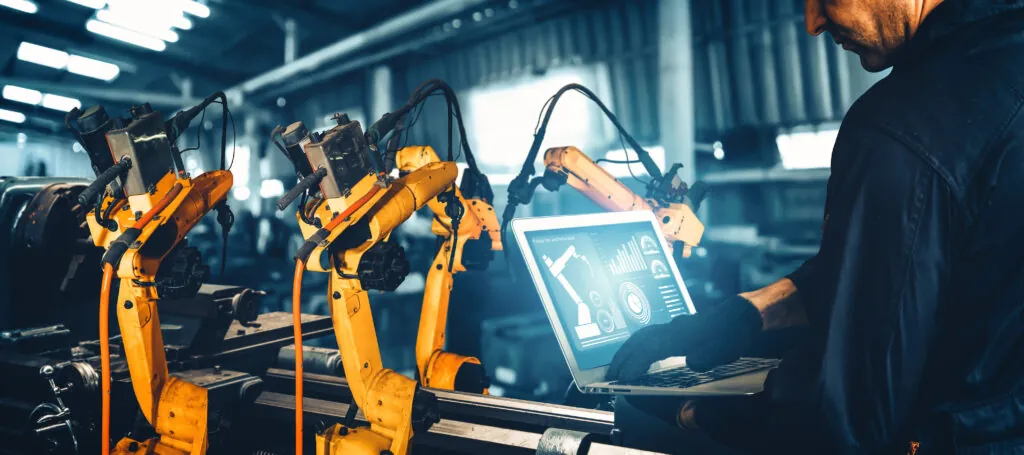
- Automotive: Detecting improper welds, missing bolts, or paint defects on assembly lines.
- Electronics: Ensuring correct placement of microchips and components on printed circuit boards.
- Consumer Goods: Verifying packaging integrity, label accuracy, and product completeness.
For example, leading manufacturers have reported significant reductions in defect rates and inspection times after deploying AI-powered vision systems. These improvements not only boost efficiency but also help meet stringent regulatory and customer requirements.
For a deeper look at how AI is enhancing quality control, see this analysis of AI solutions for quality control.
Challenges and Considerations for Implementation
While the benefits are clear, integrating AI for assembly verification steps requires careful planning:
- Data Quality: High-quality, representative datasets are essential for training effective models. Inconsistent or biased data can lead to missed errors or false positives.
- Integration: AI systems must work seamlessly with existing manufacturing execution systems (MES) and hardware.
- Change Management: Operators and technicians may need training to trust and effectively use AI-driven tools.
- Cost: Initial investment in cameras, sensors, and computing infrastructure can be significant, though ROI is often realized quickly.
- Continuous Improvement: Ongoing monitoring and model updates are necessary to maintain accuracy as products and processes evolve. For more on this, review strategies for monitoring AI model drift in factories.
Best Practices for Deploying AI in Assembly Verification
To maximize the impact of AI-based inspection, manufacturers should consider the following recommendations:
- Start with a pilot project focused on a high-impact assembly step or product line.
- Collaborate with cross-functional teams, including IT, quality, and production staff.
- Leverage domain expertise to label data and validate model outputs.
- Invest in scalable infrastructure that can grow with your needs.
- Continuously monitor performance and retrain models as necessary.
Adopting these practices helps ensure a smooth transition and long-term success with AI-powered verification.
Related Technologies Enhancing Assembly Quality
AI is often most effective when combined with other digital tools. For example, vision transformers for industrial use are enabling even more sophisticated image analysis, while wearable AI for manual inspection support empowers frontline workers with real-time guidance. Additionally, hyperparameter tuning for inspection models can further optimize AI performance for specific tasks.
FAQ
How does AI improve accuracy in assembly verification?
AI systems use advanced algorithms to analyze images and sensor data, detecting subtle errors that humans might miss. By learning from large datasets, these systems can identify patterns and anomalies with high precision, reducing the risk of defects reaching customers.
Can AI-based verification be used for any type of assembly?
Most assembly processes can benefit from AI-driven inspection, especially those involving repetitive tasks, complex assemblies, or high volumes. However, the effectiveness depends on the quality of available data and the ability to integrate AI with existing equipment.
What are the main challenges when implementing AI for assembly verification?
Key challenges include ensuring data quality, integrating with legacy systems, managing change among staff, and maintaining model accuracy over time. Careful planning and ongoing monitoring are essential for overcoming these obstacles.