
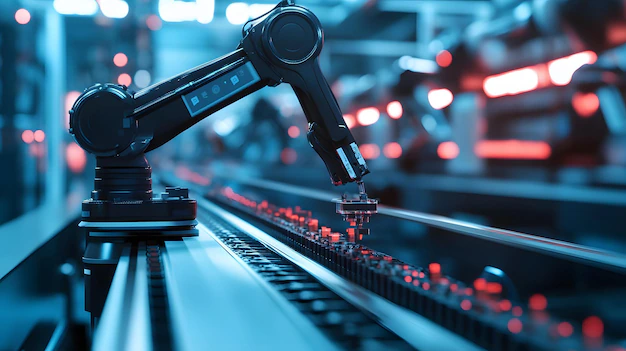
Manufacturers are under constant pressure to boost output, reduce waste, and maintain high standards. Improving production yield with AI is rapidly becoming a game-changer for industries seeking to optimize their quality control processes. By leveraging artificial intelligence, companies can identify defects earlier, automate inspections, and make data-driven decisions that directly impact profitability.
AI-powered quality control tools are transforming how factories monitor, detect, and respond to production issues. These solutions not only increase throughput but also help maintain consistency and compliance. For organizations exploring the latest advancements, integrating AI into inspection workflows is no longer a futuristic concept—it’s a practical step toward operational excellence.
For those interested in related innovations, exploring augmented reality in quality audits can provide further insights into how digital tools are reshaping inspection and data visualization in manufacturing environments.
How AI Enhances Quality Control in Manufacturing
Traditional quality control methods often rely on manual inspection or simple rule-based automation. These approaches can be slow, inconsistent, and prone to human error. The introduction of artificial intelligence brings a new level of precision and efficiency to the process. AI systems can analyze images, sensor data, and production metrics in real time, identifying subtle defects that might be missed by human inspectors.
By using machine learning algorithms, these systems continuously improve their accuracy. Over time, they learn from new data and adapt to changing production conditions. This adaptability is crucial for industries where product specifications or materials frequently change.
Some of the key benefits of AI-driven quality control include:
- Faster detection of production anomalies, reducing the risk of defective products reaching customers.
- Consistent inspection across all shifts and production lines, minimizing variability.
- Automated data collection for traceability and compliance reporting.
- Reduced labor costs by automating repetitive inspection tasks.
Key Technologies Powering AI-Based Yield Improvement
Several core technologies enable manufacturers to achieve higher yields through AI-enhanced quality control:
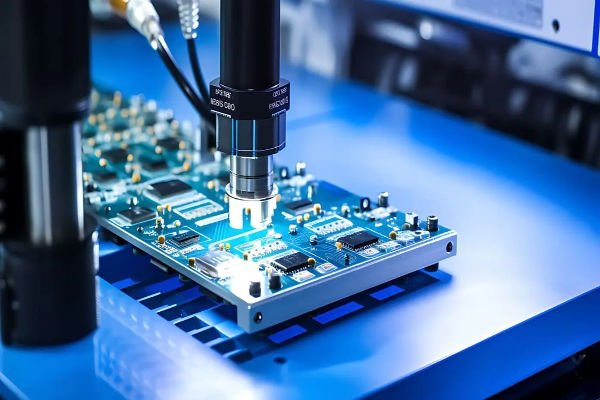
- Computer Vision: Cameras and deep learning models inspect products for visual defects, such as scratches, misalignments, or surface irregularities.
- Sensor Fusion: AI systems combine data from multiple sources—such as temperature, vibration, and pressure sensors—to detect process deviations that could lead to defects.
- Predictive Analytics: Machine learning algorithms analyze historical production data to forecast potential quality issues before they occur.
- Edge Computing: Processing data directly on the factory floor enables real-time decision-making and reduces latency.
For manufacturers interested in the latest neural network architectures, vision transformers for industrial use are enabling even more accurate and robust inspection systems.
Strategies for Integrating AI into Quality Control Workflows
Adopting AI for quality control requires a thoughtful approach. Here are some practical steps to ensure a smooth transition:
- Assess Current Processes: Identify bottlenecks, high-defect areas, and manual inspection points that could benefit from automation.
- Collect and Label Data: High-quality, labeled datasets are essential for training effective AI models. Gather images and sensor data from your production lines.
- Pilot and Validate: Start with a pilot project on a single line or product. Validate the AI system’s performance against existing inspection methods.
- Scale Gradually: Once proven, expand the AI solution to additional lines, products, or facilities.
- Monitor and Optimize: Continuously monitor AI performance and retrain models as production conditions evolve. For guidance on this, see resources on monitoring ai model drift in factories.
Real-World Applications: AI in Action on the Factory Floor
Industries ranging from automotive to electronics and pharmaceuticals are already seeing measurable improvements in yield thanks to AI-powered inspection tools. For example, semiconductor manufacturers use deep learning to detect microscopic defects on wafers, while medical device producers rely on AI to ensure every component meets strict regulatory standards.
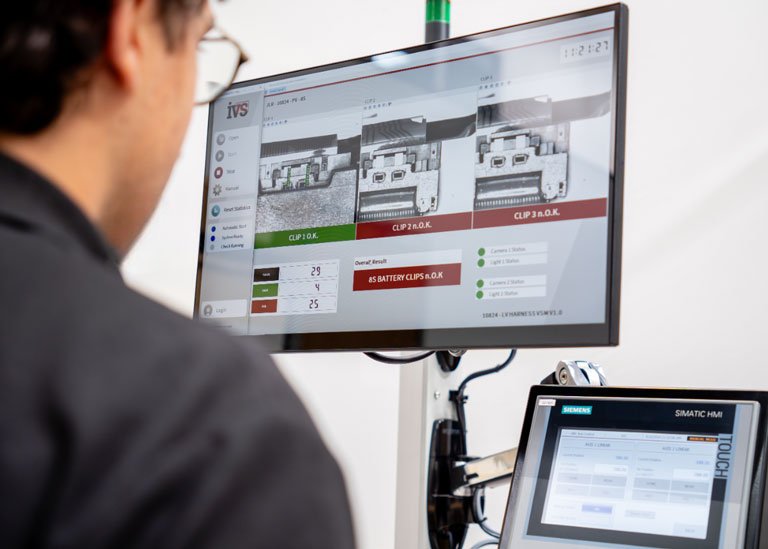
In these environments, AI systems often work alongside human inspectors, providing decision support and flagging items for further review. This hybrid approach combines the strengths of both automation and human judgment, leading to higher overall quality and reduced rework.
For manual inspection tasks, solutions like wearable ai for manual inspection support are equipping workers with real-time guidance and digital helpers, further enhancing efficiency and accuracy.
Challenges and Best Practices for Maximizing Yield with AI
While the benefits are clear, implementing AI in quality control comes with its own set of challenges. Data quality, integration with legacy systems, and workforce training are common hurdles. To overcome these, manufacturers should:
- Invest in robust data infrastructure to support real-time analytics and model updates.
- Collaborate with domain experts to ensure AI models are tailored to specific production requirements.
- Provide ongoing training for staff to work effectively alongside AI systems.
- Continuously evaluate and refine AI models to adapt to changes in materials, equipment, or product designs.
For those interested in optimizing AI model performance, exploring hyperparameter tuning for inspection models can yield further improvements in accuracy and reliability.
Additionally, industry research such as AI-based quality inspection case studies provides valuable insights into real-world deployment and outcomes.
Frequently Asked Questions
How does AI improve production yield in manufacturing?
AI enhances yield by automating defect detection, reducing human error, and providing real-time feedback on production quality. This leads to fewer defective products, less waste, and more consistent output.
What types of defects can AI-based quality control detect?
AI systems can identify a wide range of defects, including surface scratches, misalignments, missing components, and even subtle process deviations that might not be visible to the naked eye.
Is it difficult to integrate AI tools with existing manufacturing systems?
Integration can be challenging, especially with older equipment. However, many modern AI solutions are designed to work alongside legacy systems, and gradual implementation—starting with pilot projects—can help ease the transition.
What is the role of human inspectors when AI is used for quality control?
Human inspectors often collaborate with AI systems, focusing on complex cases or final verification. AI handles repetitive tasks and flags anomalies, allowing humans to concentrate on higher-value activities.