
Ensuring the integrity and reliability of metal components is fundamental across industries such as aerospace, automotive, and manufacturing. A comprehensive metal surface quality analysis guide helps professionals identify defects, optimize processes, and maintain high standards. This article explores the essential tools, advanced methods, and best practices for evaluating metal surfaces, supporting both manual and automated inspection workflows.
With the rise of digital transformation, new technologies like artificial intelligence and augmented reality are reshaping how inspections are performed. For those interested in leveraging cutting-edge solutions, exploring augmented reality in quality audits can provide valuable insights into visualizing and interpreting inspection data more efficiently.
Why Surface Quality Matters in Metalworking
Surface quality directly impacts the performance, durability, and safety of metal products. Even minor imperfections—such as scratches, pits, or corrosion—can compromise structural integrity or lead to premature failure. In regulated industries, rigorous inspection is not just a best practice but a compliance requirement. A robust approach to metal surface quality analysis ensures that products meet specifications and customer expectations.
Key reasons to prioritize surface evaluation include:
- Preventing defects that could cause operational failures or recalls
- Maintaining consistency in manufacturing output
- Reducing costs associated with rework or scrap
- Meeting industry standards and certifications
Essential Tools for Metal Surface Inspection
Choosing the right tools is the foundation of any effective metal surface quality analysis guide. The selection depends on the type of metal, the nature of potential defects, and the required precision. Below are some of the most widely used instruments and technologies:
- Visual Inspection Tools: Magnifying glasses, borescopes, and microscopes allow inspectors to detect visible surface anomalies. While manual, these tools are cost-effective and suitable for initial assessments.
- Surface Roughness Testers: Devices like profilometers measure the texture and smoothness of a surface, providing quantitative data on roughness parameters (Ra, Rz, etc.).
- Non-Destructive Testing (NDT) Equipment: Ultrasonic testers, eddy current devices, and dye penetrant kits help reveal subsurface flaws without damaging the component.
- Digital Imaging Systems: High-resolution cameras and scanners capture detailed images for further analysis or documentation.
- Automated Optical Inspection (AOI): These systems use machine vision to rapidly scan and analyze large batches, identifying defects that may be missed by the human eye.

Advanced Methods in Metal Surface Quality Analysis
Modern manufacturing increasingly relies on advanced methods to enhance accuracy and efficiency. These approaches complement traditional techniques and are particularly valuable for high-volume or high-precision applications.
Machine Vision and Artificial Intelligence
AI-powered inspection systems can detect subtle defects, classify surface anomalies, and even predict potential failure points. By training models on large datasets, these systems continuously improve their accuracy. For a deeper understanding of how AI is transforming quality assurance, see this overview of AI benefits in quality assurance.
3D Scanning and Surface Profiling
Three-dimensional scanners create detailed digital models of metal surfaces, allowing for precise measurement of deviations, warping, or wear. These tools are especially useful for complex geometries where manual inspection is impractical.
Augmented Reality for Inspection Support
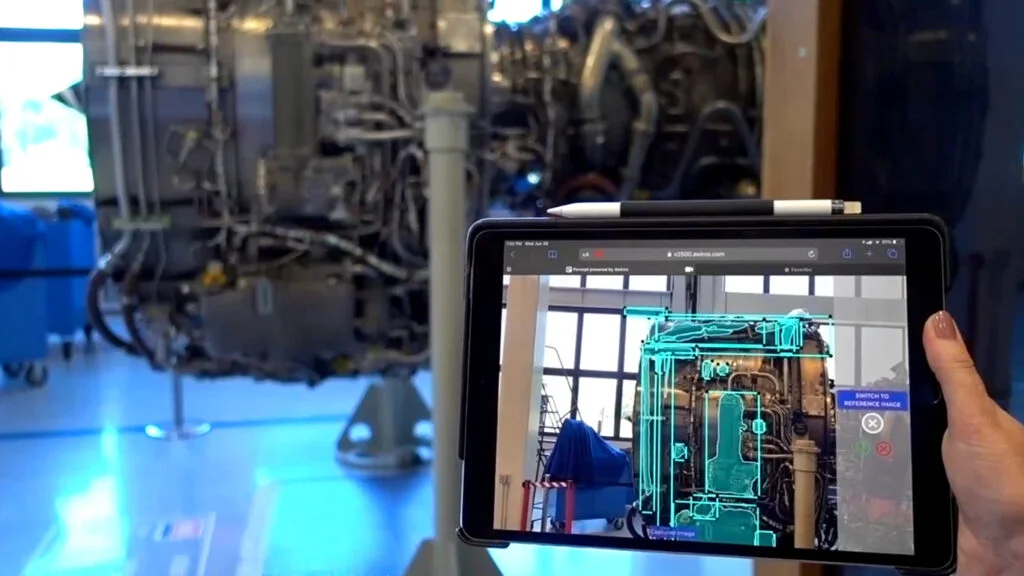
Augmented reality overlays digital information onto real-world views, guiding inspectors through standardized procedures and highlighting areas of concern. This technology increases consistency and reduces training time. Learn more about the impact of wearable AI for manual inspection support in industrial settings.

Best Practices for Reliable Surface Evaluation
To achieve consistent and actionable results, organizations should establish clear protocols for surface inspection. Here are some recommended practices:
- Standardize inspection criteria: Define acceptable thresholds for roughness, defect size, and other parameters based on industry standards.
- Calibrate equipment regularly: Ensure all measurement tools are properly calibrated to maintain accuracy.
- Document findings: Record inspection results with images, measurements, and notes for traceability and future reference.
- Train personnel: Provide ongoing training to keep inspectors up to date with evolving tools and techniques.
- Integrate digital solutions: Use software platforms to centralize data, automate reporting, and enable real-time monitoring.
Integrating Digital and Manual Inspection Workflows
While automation brings speed and consistency, human expertise remains essential—especially for interpreting ambiguous results or handling unique cases. The most effective metal surface quality analysis strategies combine digital and manual methods, leveraging the strengths of both. For example, vision transformers and AI models can pre-screen components, while skilled inspectors validate findings and address complex issues. For those managing AI-based systems, understanding monitoring AI model drift in factories is crucial to maintain long-term accuracy.
Common Surface Defects and Their Detection
Recognizing the most frequent types of surface imperfections is key to targeted analysis. Here are several common defects and the methods used to detect them:
| Defect Type | Description | Detection Method |
|---|---|---|
| Scratches | Linear marks caused by contact with hard objects | Visual inspection, AOI, microscopy |
| Pitting | Small, localized depressions due to corrosion or impact | Profilometry, 3D scanning, dye penetrant |
| Cracks | Fractures that may propagate under stress | Ultrasonic testing, eddy current, visual aids |
| Surface Roughness | Irregularities affecting smoothness and performance | Surface roughness testers, profilometers |
| Corrosion | Oxidation or chemical degradation of the surface | Visual inspection, microscopy, chemical tests |
Trends and Innovations in Surface Analysis
Technological advancements are rapidly changing the landscape of metal inspection. Some notable trends include:
- AI-driven defect classification: Machine learning algorithms can now distinguish between defect types with high accuracy, reducing false positives.
- Cloud-based data management: Inspection data is increasingly stored and analyzed in the cloud, enabling remote collaboration and benchmarking.
- Real-time feedback: Integrated systems provide immediate alerts, allowing for rapid corrective actions on the production line.
- Next-generation vision systems: Vision transformers and deep learning models are pushing the boundaries of automated inspection. For more on this, see vision transformers for industrial use.
- Automated optimization: Hyperparameter tuning for inspection models can significantly improve detection rates and reduce manual intervention. Explore more about hyperparameter tuning for inspection models for optimization strategies.
FAQ: Metal Surface Quality Analysis
What are the most important parameters to measure during surface inspection?
Critical parameters include surface roughness, defect size and type, flatness, and the presence of contaminants or corrosion. The specific focus depends on the application and industry standards.
How does automation improve the reliability of surface quality analysis?
Automated systems reduce human error, increase inspection speed, and provide consistent, repeatable results. They are especially valuable for high-volume production environments where manual inspection may be impractical.
Can AI completely replace manual inspection in metal surface analysis?
While AI and machine vision greatly enhance efficiency and accuracy, human expertise remains essential for interpreting complex or ambiguous cases. The best results are achieved by combining both approaches.
Staying current with advances in inspection technology and integrating best practices into your workflow will ensure that metal components meet the highest quality standards. Whether you are updating your process or building a new inspection program, following a structured approach to surface evaluation is key to long-term success.