
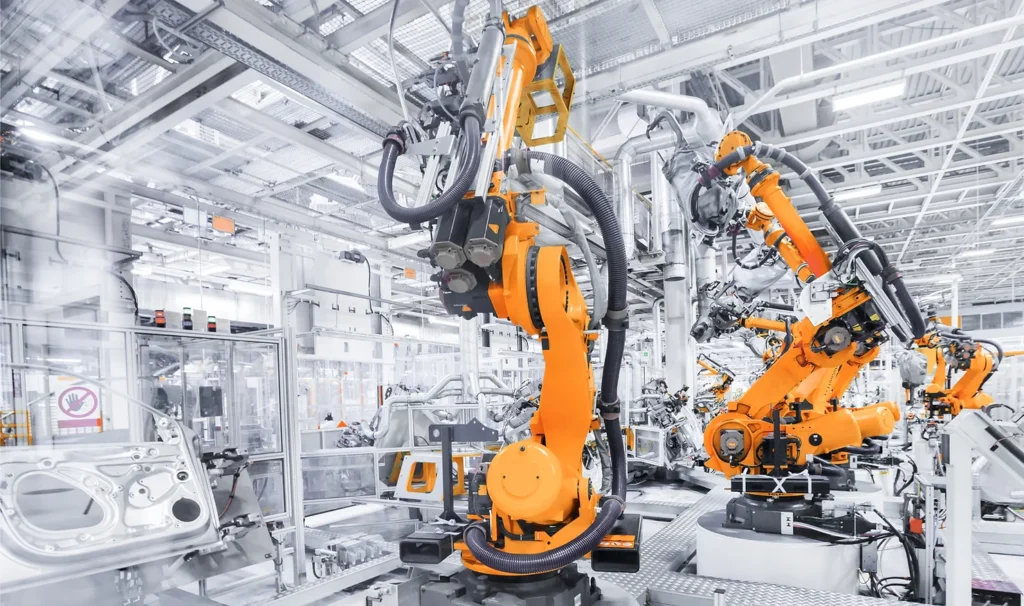
Manufacturing organizations face constant pressure to boost productivity, reduce waste, and deliver higher quality products. The concept of continuous improvement in manufacturing has become a cornerstone for companies aiming to stay competitive in today’s fast-paced industrial landscape. By systematically refining processes, engaging employees, and leveraging data, manufacturers can achieve sustainable gains in efficiency and performance.
This article explores the principles, methods, and practical steps for embedding a culture of ongoing enhancement within manufacturing operations. We’ll look at proven strategies, real-world examples, and the role of technology in driving measurable results. For those interested in advanced digital tools, you may also want to learn about augmented reality in quality audits and how visual data can support quality management.
Understanding the Philosophy of Ongoing Enhancement
At its core, continuous improvement in manufacturing is about making incremental changes that, over time, lead to significant advancements in efficiency, quality, and cost savings. Rather than relying on sporadic, large-scale overhauls, this approach emphasizes small, consistent improvements driven by data and employee input.
The philosophy is rooted in methodologies such as Lean, Six Sigma, and Kaizen. These frameworks encourage organizations to identify inefficiencies, eliminate waste, and empower frontline workers to suggest and implement solutions. The result is a dynamic workplace where change is welcomed and innovation is part of the daily routine.
Key Principles Guiding Process Optimization
Successful implementation of ongoing improvement initiatives relies on a few foundational principles:
- Employee Involvement: Engaging staff at all levels ensures that those closest to the work can identify bottlenecks and propose practical solutions.
- Data-Driven Decisions: Using metrics and analytics to guide changes helps organizations focus on areas with the greatest potential impact.
- Standardization: Documenting best practices and standard operating procedures ensures consistency and makes it easier to scale improvements across the organization.
- Customer Focus: Enhancements should ultimately deliver greater value to customers, whether through higher quality, faster delivery, or lower costs.
Popular Methods for Driving Manufacturing Improvements
There are several structured approaches that manufacturers use to foster ongoing enhancement. Some of the most widely adopted include:
Lean Manufacturing
Lean focuses on eliminating non-value-added activities, or “waste,” from production processes. Techniques such as 5S (Sort, Set in order, Shine, Standardize, Sustain), Value Stream Mapping, and Just-in-Time production help streamline workflows and reduce inefficiencies.
Six Sigma
Six Sigma uses statistical tools and the DMAIC (Define, Measure, Analyze, Improve, Control) framework to minimize defects and process variation. By focusing on data and root cause analysis, organizations can achieve higher quality and more predictable outcomes.
Kaizen
Kaizen, a Japanese term meaning “change for better,” emphasizes small, daily improvements involving everyone from management to shop floor workers. Kaizen events or “blitzes” are short-term projects targeting specific problems, resulting in rapid gains and increased employee engagement.
Integrating Technology for Enhanced Results
Modern manufacturing environments are increasingly leveraging digital tools to accelerate process optimization. Technologies such as Industrial IoT sensors, real-time analytics, and AI-powered inspection systems provide actionable insights that were previously unavailable.
For example, advanced monitoring solutions can detect equipment anomalies before they cause downtime, while digital twins enable virtual testing of process changes. Companies exploring the next wave of innovation may also benefit from learning about vision transformers for industrial use and their role in automated quality control.
Steps to Implement a Culture of Ongoing Enhancement
Building a sustainable system for ongoing gains in manufacturing efficiency requires a structured approach. Here are key steps to consider:
- Assess Current State: Begin by mapping existing processes, gathering baseline data, and identifying pain points. Tools like value stream mapping and process audits can help visualize inefficiencies.
- Set Clear Goals: Define specific, measurable objectives such as reducing cycle time, lowering defect rates, or increasing throughput. Align these goals with broader business priorities.
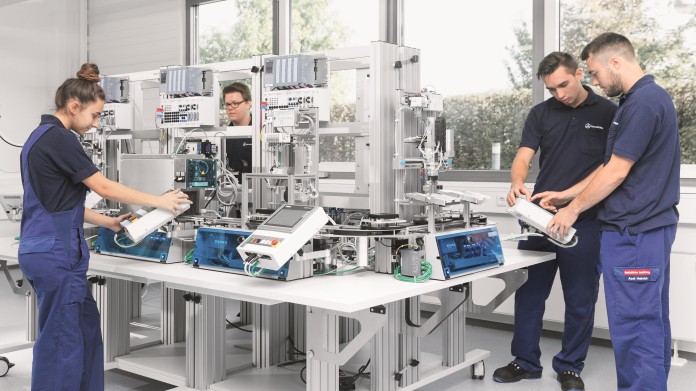
- Engage Employees: Foster a culture where all team members are encouraged to contribute ideas and participate in improvement initiatives. Regular training and open communication are essential.
- Implement Changes Incrementally: Start with small-scale pilots or Kaizen events to test new approaches. Use feedback and data to refine solutions before scaling up.
- Monitor and Measure: Track progress using key performance indicators (KPIs). Celebrate successes and address setbacks promptly to maintain momentum.
- Standardize and Sustain: Document successful changes and integrate them into standard operating procedures. Provide ongoing support to ensure improvements are maintained over time.
Common Challenges and How to Overcome Them
While the benefits of ongoing process enhancement are clear, manufacturers often encounter obstacles such as resistance to change, lack of resources, or insufficient data. Addressing these challenges requires strong leadership, clear communication, and a willingness to invest in training and technology.
For organizations struggling with production planning and control, resources like this guide to improving production planning efficiency offer practical tips and strategies.
Measuring the Impact of Process Optimization
To ensure that ongoing improvement efforts deliver real value, it’s important to establish robust measurement systems. Common metrics include:
- Overall Equipment Effectiveness (OEE): Combines availability, performance, and quality to provide a comprehensive view of equipment productivity.
- First Pass Yield (FPY): Measures the percentage of products manufactured correctly the first time without rework.
- Cycle Time: Tracks the time required to complete a process from start to finish.
- Defect Rates: Monitors the frequency of errors or nonconformities in finished goods.
Regularly reviewing these metrics enables organizations to identify trends, prioritize improvement opportunities, and demonstrate the ROI of their efforts.
Frequently Asked Questions
What are the main benefits of ongoing improvement in manufacturing?
The primary advantages include increased productivity, reduced waste, higher product quality, and improved employee engagement. By focusing on incremental changes, manufacturers can achieve sustainable cost savings and adapt more quickly to market demands.
How can technology accelerate process optimization?
Digital tools such as real-time analytics, IoT sensors, and AI-powered inspection systems provide actionable insights, automate routine tasks, and enable predictive maintenance. These technologies help identify inefficiencies faster and support data-driven decision-making.
How do you sustain a culture of continuous improvement?
Sustaining momentum requires ongoing leadership commitment, regular training, transparent communication, and recognition of employee contributions. Documenting best practices and integrating them into daily routines also helps ensure that improvements are maintained over time.