

The manufacturing and quality assurance landscape is undergoing a rapid transformation, largely due to the integration of artificial intelligence into inspection processes. AI-driven inspection system architecture is now at the core of modern industrial automation, enabling organizations to achieve higher accuracy, efficiency, and scalability in defect detection and process monitoring. Understanding the technical structure behind these systems is essential for engineers, plant managers, and decision-makers aiming to future-proof their operations.
This article provides a comprehensive overview of how intelligent inspection platforms are structured, the key components involved, and the considerations for deploying such solutions in real-world environments. For those interested in related advancements, exploring augmented reality in quality audits offers insights into how visual data overlays further enhance inspection workflows.
Core Layers of Intelligent Inspection Platforms
A robust ai-driven inspection system architecture is typically organized into several functional layers. Each layer plays a distinct role, from data acquisition to actionable insights. Understanding these layers helps clarify how data flows through the system and where optimizations can be made.
- Data Acquisition Layer: This is where raw data is collected from various sensors, cameras, or scanners. High-resolution images, video streams, and sensor readings are captured in real time.
- Preprocessing and Data Management: Before analysis, data often requires cleaning, normalization, and organization. This layer ensures that only relevant, high-quality data is passed to the AI models.
- AI Model Inference: Here, deep learning models or other machine learning algorithms process the data to identify defects, anomalies, or quality issues.
- Decision and Action Layer: Based on the AI’s output, the system can trigger alarms, sort products, or initiate corrective actions, often integrating with manufacturing execution systems (MES) or enterprise resource planning (ERP) software.
- Feedback and Continuous Improvement: Data from the inspection process is fed back into the system to retrain models, monitor drift, and improve performance over time.
Key Components and Technologies in AI-Based Inspection
The effectiveness of a smart inspection solution depends on the synergy between its hardware and software components. Below are the essential building blocks found in most advanced setups.
Imaging and Sensing Hardware
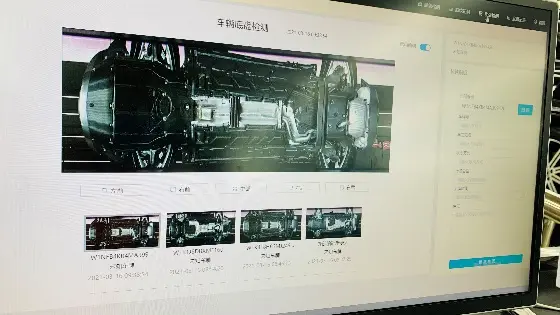
High-quality data input is the foundation of reliable inspection. Modern systems employ a range of devices:
- Industrial cameras (2D, 3D, thermal, hyperspectral)
- Laser and X-ray scanners for subsurface analysis
- Environmental sensors for temperature, humidity, and vibration
Edge Computing and Data Processing
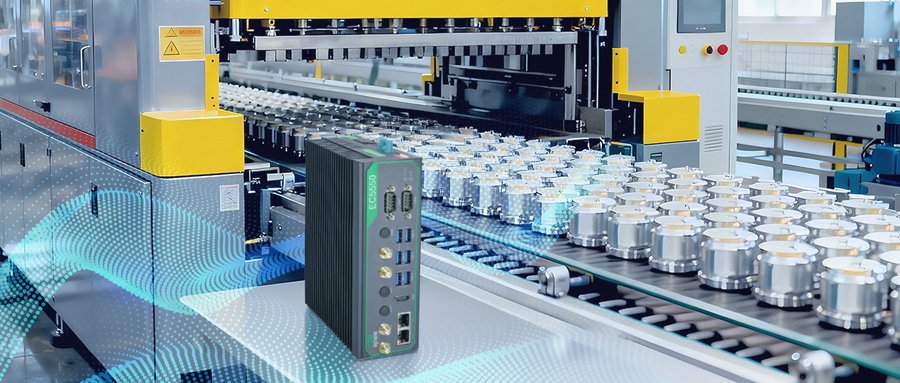
To minimize latency and bandwidth usage, many solutions leverage edge computing. Data is processed close to the source, enabling real-time analysis and immediate feedback. This is especially valuable in high-speed production lines where split-second decisions are critical.
AI Algorithms and Model Management
The heart of any ai-driven inspection system architecture lies in its AI models. These may include convolutional neural networks (CNNs) for image analysis, anomaly detection algorithms, or even advanced architectures like vision transformers for industrial use. Model management involves deploying, updating, and monitoring these algorithms to ensure consistent performance.
Integration with Factory Systems
Seamless integration with existing factory infrastructure is crucial. This includes:
- Connecting with MES and ERP platforms for traceability
- Automated reporting and dashboarding for quality teams
- APIs for interoperability with robotics and automation equipment
Design Considerations for Scalable Inspection Architectures
Building a scalable and maintainable inspection solution involves more than just selecting the right hardware and AI models. Several architectural considerations ensure long-term success and adaptability.
Modularity and Flexibility
A modular approach allows organizations to upgrade or swap components as technology evolves. For example, new camera types or AI models can be integrated without overhauling the entire system.
Data Security and Privacy
Sensitive production data must be protected. Secure data transmission, access controls, and compliance with industry standards (such as ISO 27001) are vital.
Monitoring and Model Drift Management
AI models can degrade over time if the data distribution changes—a phenomenon known as model drift. Proactive monitoring, as discussed in resources like monitoring AI model drift in factories, helps maintain accuracy and reliability.
Continuous Improvement and Feedback Loops
A feedback mechanism enables ongoing learning. Inspection results, operator feedback, and new defect types are used to retrain models, ensuring the system adapts to evolving production realities.
Benefits and Challenges of Automated Inspection Solutions
Adopting a technical map for AI-based inspection brings significant advantages, but also introduces new challenges that must be addressed for successful deployment.
Key Advantages
- Increased Accuracy: AI models can detect subtle defects that may be missed by human inspectors.
- Scalability: Automated systems can handle large volumes of products with consistent performance.
- Cost Efficiency: Reduced labor costs and minimized waste through early defect detection.
- Traceability: Digital records enable easier root cause analysis and regulatory compliance.
Common Challenges
- Initial Setup Complexity: Integrating AI with legacy systems can be technically demanding.
- Data Quality: Poor data can lead to inaccurate predictions and false positives.
- Model Maintenance: Regular retraining and monitoring are required to prevent performance degradation.
- Change Management: Workforce adaptation and process redesign may be necessary to fully leverage automation.
Best Practices for Deploying AI-Enabled Inspection
To maximize the value of an ai-driven inspection system architecture, organizations should follow these practical guidelines:
- Start with a Pilot: Test the system on a specific production line or product type to validate performance and identify integration issues.
- Invest in Data Quality: Ensure imaging hardware is properly calibrated and data is annotated accurately for model training.
- Leverage Domain Expertise: Collaborate with quality engineers and operators to define defect types and acceptable tolerances.
- Monitor and Tune Models: Use tools for hyperparameter tuning for inspection models and monitor for drift to maintain accuracy.
- Plan for Scalability: Choose modular components and open standards to facilitate future upgrades and expansion.
Industry Applications and Future Directions
AI-powered inspection is already transforming sectors such as automotive, electronics, pharmaceuticals, and food processing. As technology matures, expect to see:
- Greater use of wearable AI for manual inspection support to assist human operators
- Integration with augmented reality for real-time defect visualization
- Expansion into predictive maintenance and process optimization
For a deeper dive into the advantages of artificial intelligence in quality control, see this detailed overview of AI’s benefits in inspection and quality control.
FAQ
What are the main components of an AI-powered inspection system?
The primary components include imaging and sensing hardware, edge computing devices, AI models for defect detection, integration interfaces for factory systems, and feedback mechanisms for continuous improvement.
How does AI improve inspection accuracy compared to traditional methods?
AI algorithms can analyze large volumes of data rapidly and consistently, identifying subtle defects that might be missed by human inspectors. They also adapt over time as new data is collected, further enhancing accuracy.
What challenges should organizations expect when implementing AI-based inspection?
Common challenges include the complexity of integrating with existing systems, ensuring high-quality data for model training, maintaining AI model performance, and managing organizational change as processes evolve.